
Add us as your preferred source on Google to see more of our content in Search.
 Add to Preferred Sources
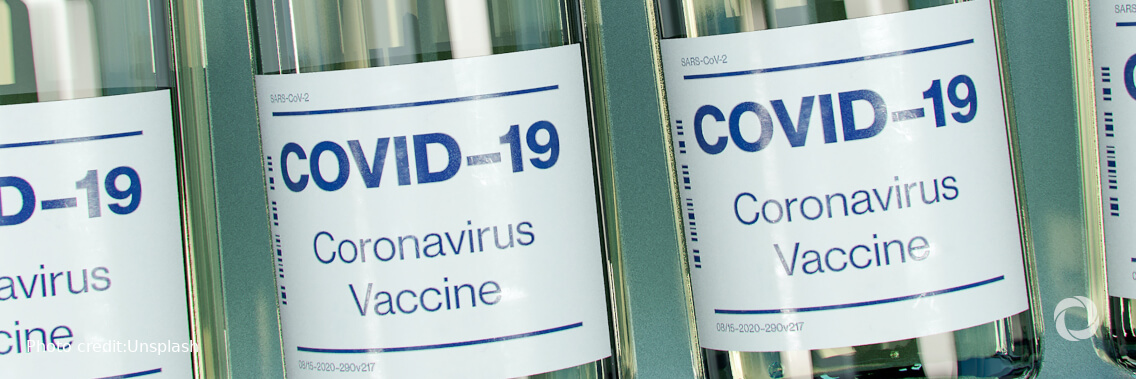
The World Bank approved a re-allocation of US$34 million under the existing Lebanon Health Resilience Project to support vaccines for Lebanon as it faces an unprecedented surge in COVID-19, with record-breaking numbers of around 5,500 daily confirmed cases since the beginning of the year. This is the first World Bank-financed operation to fund the procurement of COVID-19 vaccines. The financing will provide vaccines for over 2 million individuals. The vaccines are expected to arrive in Lebanon by early February 2021.
In addition to the human toll, the pandemic is exacerbating the economic crisis in the aftermath of the Port of Beirut explosion last August. This vaccine rollout will target priority groups: high-risk health workers, population above 65 years of age, epidemiological and surveillance staff, and population between 55-64 years with co-morbidities. By prioritizing these groups, the country’s vaccination program has the potential to reduce the consequences of the pandemic, even in conditions of supply constraints.
“Fair, broad, and fast access to COVID-19 vaccines is critical to protecting lives and supporting economic recovery,” said World Bank Group President David Malpass. “This is an important first operation and I look forward to continuing our support to many more countries in their vaccination efforts. Our goal remains to mitigate the impact of the pandemic in order to save lives and improve livelihoods.”
This latest support for Lebanon draws on World Bank’s previous work supporting vaccination efforts over the decades, including polio, measles, and Ebola. It combines financing, global expertise, and in-country experience across sectors to build more resilience, ahead of future health emergencies.
The country’s health sector is severely overstretched. As of January 17, 2021, the country had a total of 252,812 confirmed cases and 1,865 deaths. The test positivity rate for the last 14 days is high at 17 percent (compared to the WHO suggested maximum rate of 5 percent).
The Lebanon Health Resilience Project is financed through a US$95.8 million contribution from the International Bank for Reconstruction and Development and a US$24.2 million grant from the Global Concessional Financing Facility (GCFF). Launched in 2016, the GCFF provides concessional financing to middle-income countries hosting large numbers of refugees at rates usually reserved for the poorest countries.