
Add us as your preferred source on Google to see more of our content in Search.
 Add to Preferred Sources
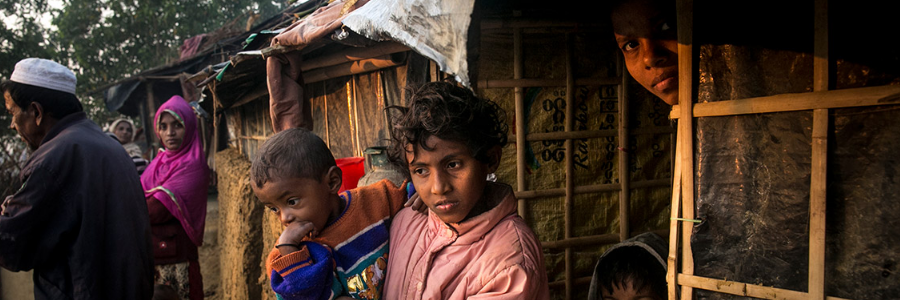
Violence in Rakhine State, which began on 25 August 2017, has driven an estimated 519,000 Rohingya across the border into Cox’s Bazar, Bangladesh. The speed and scale of the influx has resulted in a critical humanitarian emergency, as services that were available prior to the influx are now under severe strain. Some of the spontaneous sites have no access to water and sanitation facilities, raising the risk of a disease outbreak.
The Rohingya population in Cox’s Bazar is highly vulnerable, having fled conflict and experienced severe trauma, and now living in extremely difficult conditions. They arrive in Bangladesh with few possessions, and they have used the majority of their savings on transportation and constructing shelters, often out of bamboo and thin plastic. They are now reliant on humanitarian assistance for food, clean water and other basic, essential needs.
Original source: UNOCHA.
Posted on 9 October 2017