
Nnew wave of violence puts education on hold for one in two children across the Central African Republic
Add us as your preferred source on Google to see more of our content in Search.
 Add to Preferred Sources
UNICEF is extremely concerned about the impact of the recent escalation of violence in the Central African Republic on the education of hundreds of thousands of children across the country.
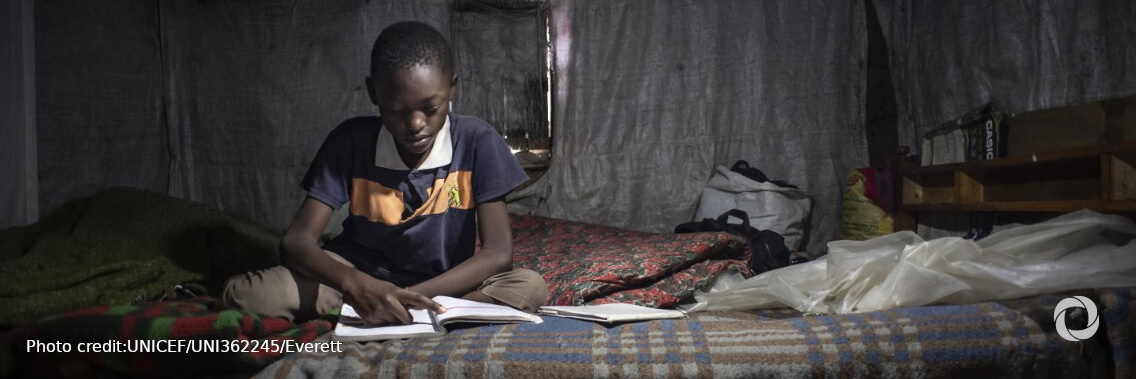
Only a few months after returning to school following closure due to the COVID-19 pandemic, children are once again seeing their education interrupted. Since last December, the increase in violence has resulted in schools being forcibly shuttered, occupied, or damaged in 11 out of 16 of the country’s prefectures, affecting one in two children.
As of today (February 23), at least 26 schools across the country are still occupied by armed groups and 999 are non-operational as a result of fighting. Half the country’s children are out of school because of conflict.
These violations are depriving children in the Central African Republic of their fundamental rights to have an education, to make friends in the safety of classrooms, and to develop the skills they need to build a better future for themselves and their communities. This is unacceptable.
“We remain committed to working closely with the government, our implementing partners, and communities to ensure schools can be reopened and rehabilitated without further delays. In the interim, we are supporting efforts to ensure children forced to stay home have access to alternative learning solutions, such as education by radio, and that temporary learning spaces are available for those who had to flee their homes,” said UNICEF Representative Fran Equiza.
The organization is urging armed groups and forces to protect students, teachers, and humanitarian actors and respect schools as zones of peace and safe havens for learning, in line with their obligations under international human rights and international humanitarian law.