

Add us as your preferred source on Google to see more of our content in Search.
 Add to Preferred Sources
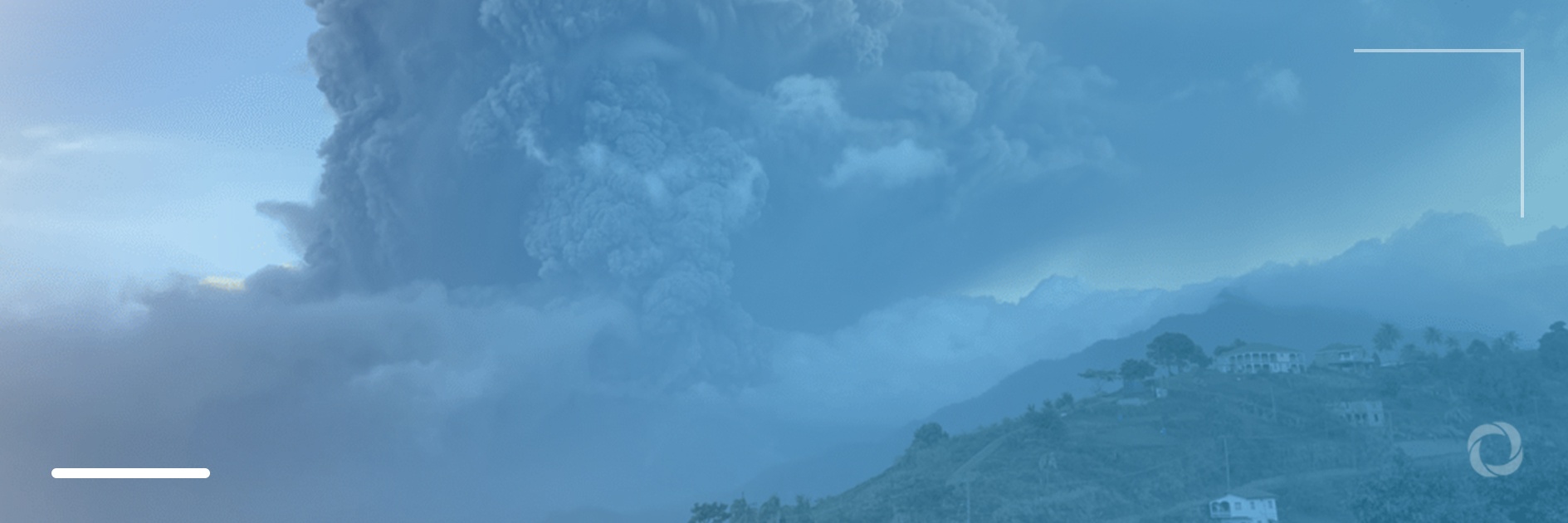
As a volcanic eruption in St Vincent and the Grenadines has triggered the displacement of about 20,000 people, the United Nations has warned of a “growing humanitarian crisis that may continue for weeks or months”.
La Soufriere volcano had been dormant since 1979 but started showing signs of activity last December which then intensified in April, blanketing the island in ash and smoke.
“The eruption has affected most livelihoods in the northern part of the island, including banana farming, with ash and lava flows hampering the movement of people and goods,” said UN spokesman, Stéphane Dujarric.
“This is a crisis that is going to certainly last more than six months in St Vincent and other islands,” said Didier Trebucq, the United Nations resident coordinator for Barbados and the eastern Caribbean.
He noted that of the 20,000 displaced people, which accounts for 20% of the island’s population, 4,000 had been temporarily relocated to 87 government shelters but in many of these there was no access to basic services. The remainder were forced to move to hotels and the private homes of their friends or family. All were facing the risk of food insecurity as they had lost their livelihoods, Trebucq added.
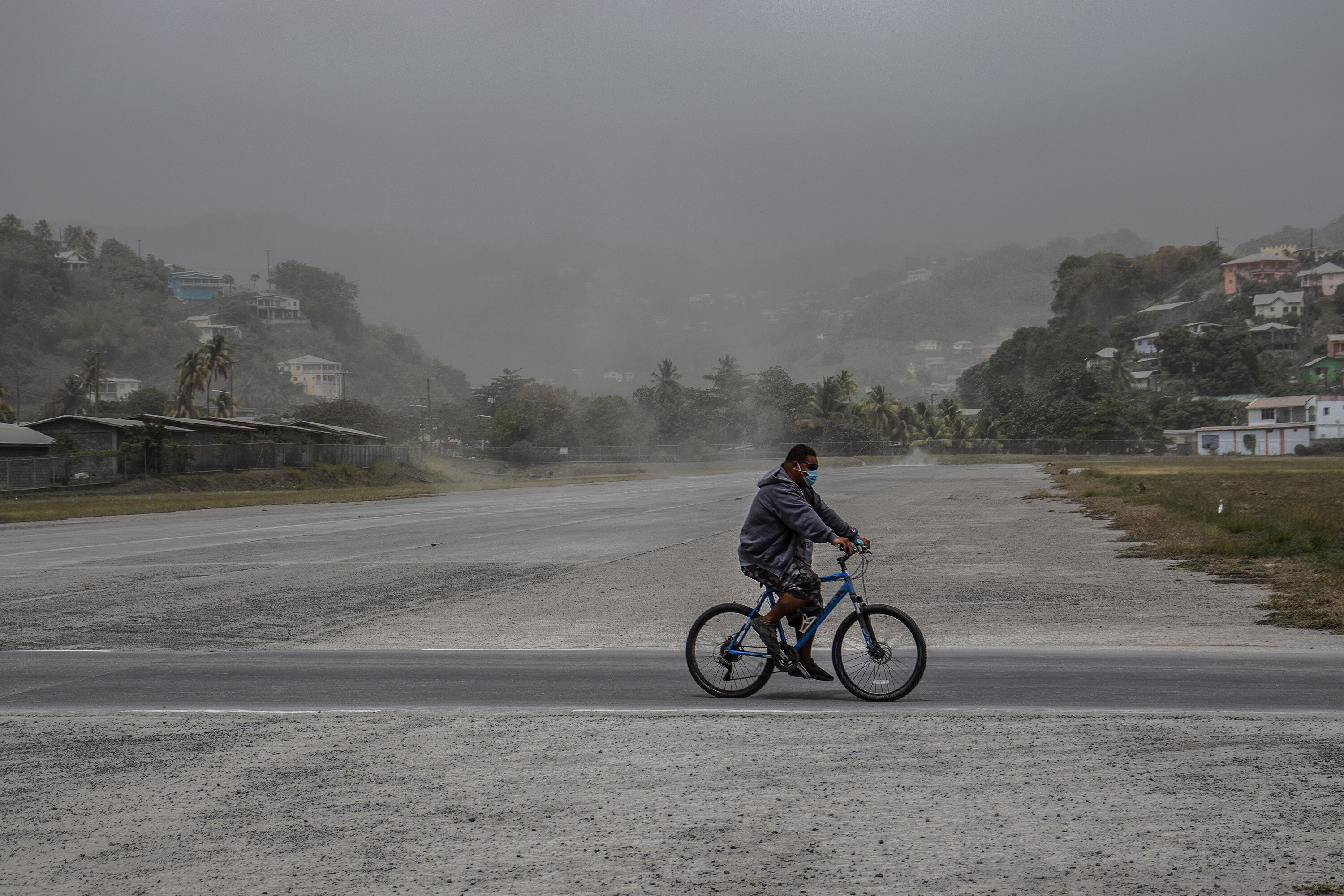
The island’s residents complained of power cuts, no water supply, and little, if any, bottled water left at nearby shops. In this context, Dujarric said that because of the eruption, access to the island was limited but the UN, together with the Caribbean Disaster Emergency Management Agency, had mobilized water and sanitation hygiene supplies that were stored in nearby Barbados.
Moreover, the occurrence of the eruption in the midst of the pandemic has made matters even more complicated as part of the island’s healthcare facilities have been affected.
As the island country expects further ashfall, the Prime Minister of St Vincent and the Grenadines, Ralph Gonsalves, has appealed to the UN for assistance. Apart from the UN, the US Agency for International Development (USAID) has also allocated US$100,000 for relief measures. The funds will be channeled to support the evacuation efforts and cover the most urgent humanitarian needs.
The last eruption of La Soufriere took place in 1979 but this caused no casualties as thousands of residents had been evacuated in advance. The eruption of the volcano in 1902 took the lives of 1,600 people.