
Add us as your preferred source on Google to see more of our content in Search.
 Add to Preferred Sources
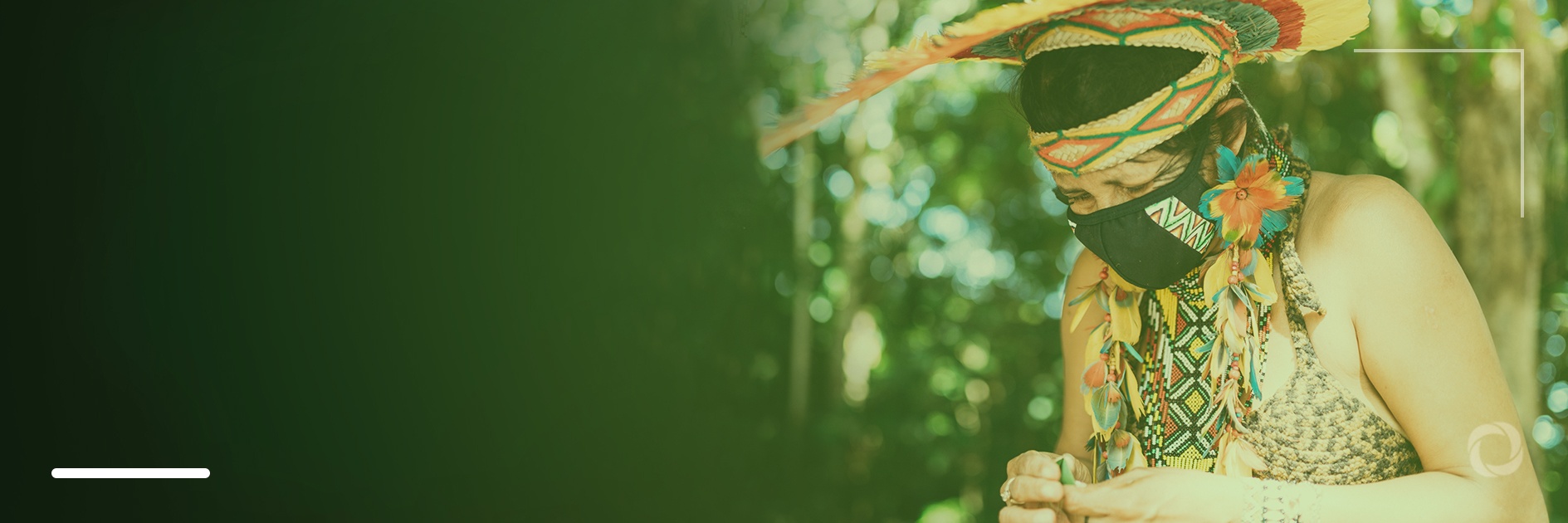
The Peruvian authorities have decided on the creation of a reserve in the Amazonian rainforest for voluntarily isolated indigenous people. The Yavarí Tapiche reserve, located on the Peruvian-Brazilian border, covers a surface of 1.1 million hectares and will be home to thousands of indigenous people most of whom have not been in touch with modern civilization.
According to the Peruvian Culture Ministry, there are about 7,000 indigenous people in the country who live according to their own customs and culture, creating their own social structures, different from those known by modern civilization. This causes them to be vulnerable to the influences of the modern world. An ordinary cold, for instance, can be fatal for them, let alone the ongoing coronavirus pandemic.
Angela Arriola, a specialist in policies for indigenous people, described the creation of the Yavarí Tapiche reserve after 17 years of negotiations and opposition from oil companies as “a great advance”.
“However, the rest of the tools must be implemented as soon as possible to ensure their protection. It is a great step, a great advance, but management measures need to be implemented,” she said.
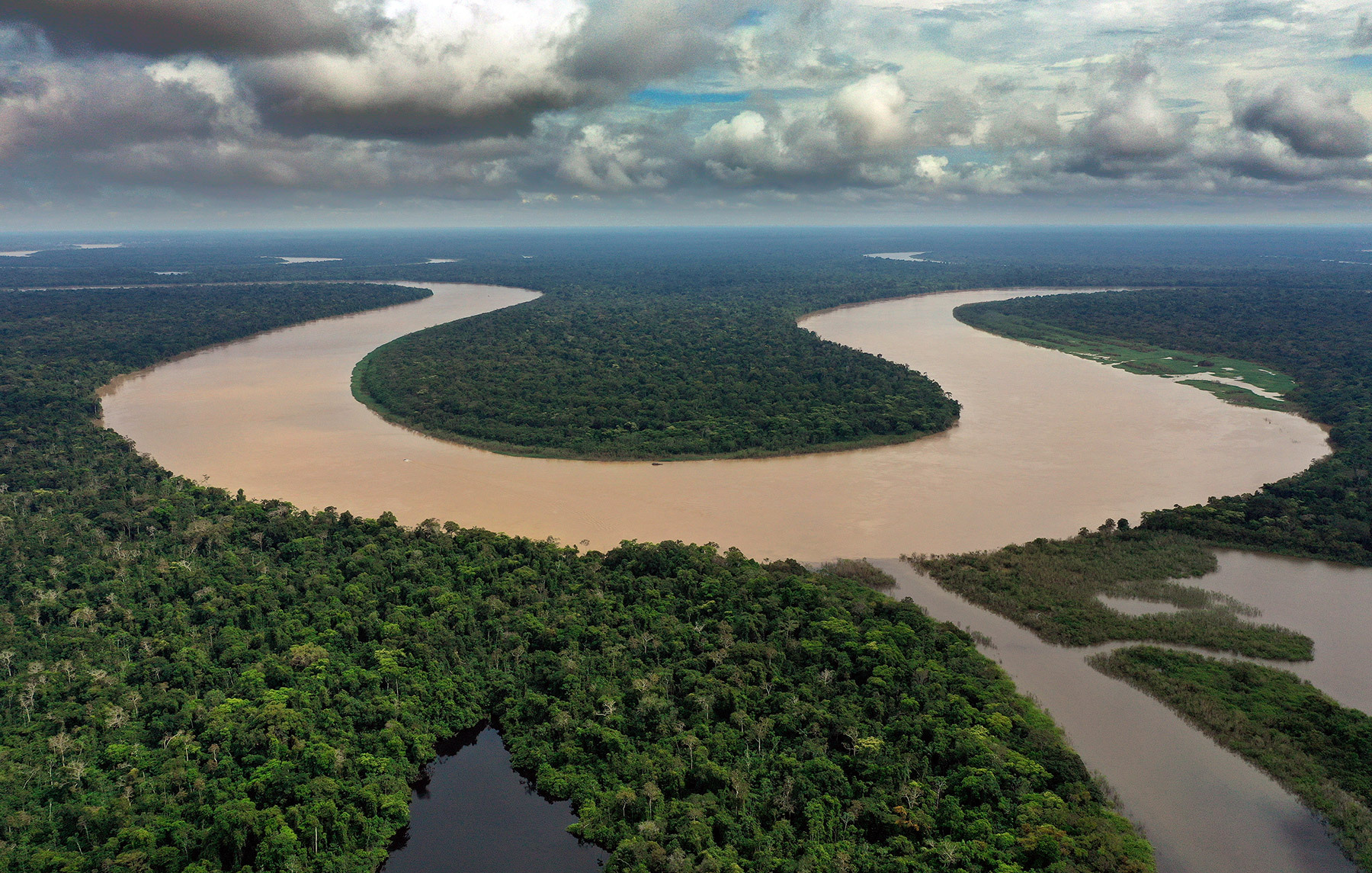
Whilst experts also found the decision to be definitely positive, they pointed out a whole range of challenges that must be addressed. People living in the reserve would require protection including against drug traffickers or loggers who are active in this area, they warned.
The Ministry of Culture, in charge of the implementation of the project, noted that the reserve “constitutes a historic milestone in the protection of the rights of indigenous people”. It noted that protection plans would be approved within two months which would enable the creation of early warning mechanisms and checkpoints to ensure the protection of the indigenous people.
Peru has so far established 10 territories for isolated people and four of these, including Yavarí Tapiche, were recognized by the government as indigenous reserves. The government estimates that there are 20 indigenous communities in Peru with a total population of 7,000 of whom 4,900 are fully isolated and 2,100 have had an initial contact with the outside world.