
Add us as your preferred source on Google to see more of our content in Search.
 Add to Preferred Sources
The Arctic Circle Assembly, the largest annual international gathering on the Arctic discussed numerous issues of relevance to the region, including climate change and the SDGs. The WMO showcased its initiatives on strengthening observations and predictions of weather, climate and ice conditions in the polar regions.
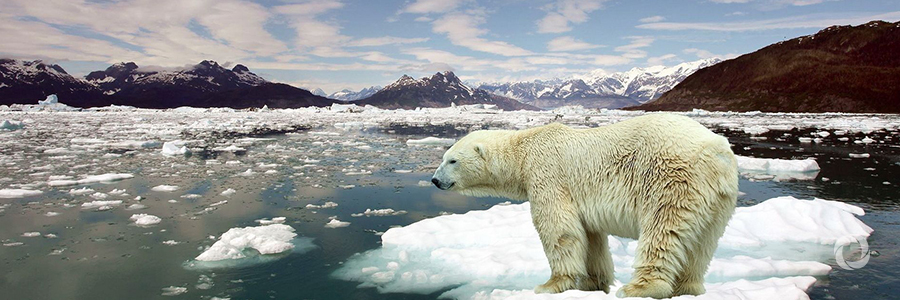
While the Arctic is warming twice as fast as the rest of the planet, causing the melting of glaciers, sea ice and snow cover, making the Arctic more accessible, and leading to increased human activities, the region is also one of the most poorly observed due to the harsh environment, remoteness and high costs involved with conducting assessments. Against this backdrop, the Arctic Circle Assembly discussed issues related to, inter alia, climate change and the Sustainable Development Goals (SDGs). The Arctic Council’s Arctic Monitoring and Assessment Programme (AMAP) published its first assessment dealing with adaptation in the Arctic.
The Arctic Circle Assembly 2017, the largest annual international gathering on the Arctic, met from 13-15 October 2017, in Reykjavík, Iceland, to increase participation in Arctic dialogue and the international focus on the Arctic’s future. The Assembly addressed numerous issues of relevance to the region, including: sustainability standards and valuing natural assets in Arctic infrastructure; the relevance of all 17 SDGs for the Arctic; food and agriculture opportunities in South Greenland under a changing climate; and a climate justice dialogue with faith leaders, scientists and decision makers.
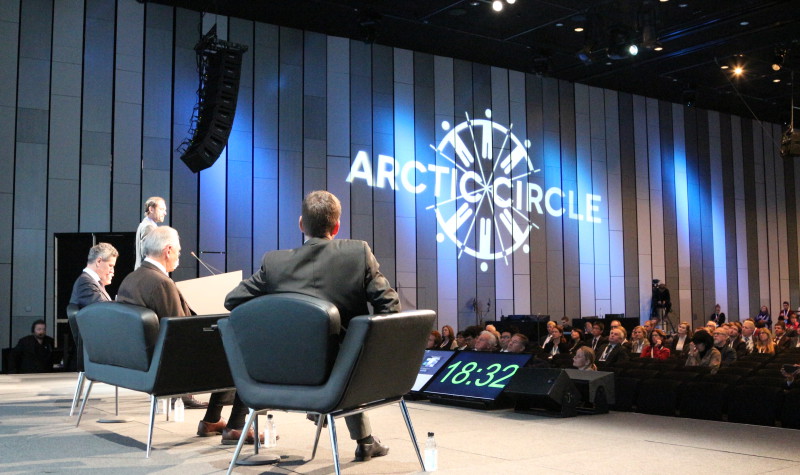 The Assembly also addressed: ways to adapt power production to a changing climate; climate change, atmosphere, sea ice, ecology and remote sensing; climate service innovation and enhancing resilience in Arctic businesses; sustainable development and community ownership in remote Arctic communities; and global perspectives on traditional knowledge, science and climate change.
The World Meteorological Organization (WMO) convened a session that focused on, inter alia: WMO initiatives on strengthening observations and predictions of weather, climate and ice conditions in the polar regions; physical processes affecting ecosystems and conservation efforts; and development of an investment plan for climate and weather observation and prediction services.
The AMAP report titled, ‘Adaptation Actions for a Changing Arctic: Perspectives from the Barents Area,’ highlights the region’s policy commitment to the 17 SDGs, and identifies adaptation actions and ways to meet possible Arctic future scenarios in light of climate change.
The report discusses: environmental and socio-economic changes and impacts in the area along the coast of the Barents Sea that straddles parts of Norway, the Russian Federation and beyond; multiple, interconnected factors associated with climate change that are affecting local communities, such as eroded ecosystem services and reduced resilience; and how climate change may provide new opportunities for improving accessibility. It outlines adaptation strategies and actions, and explains that adaptation and mitigation processes must proceed in parallel, as adaptation has limits, and mitigation efforts will lead to more successful adaptation by limiting the change to which ecosystems and human systems must adapt.
Original source: IISD
Published on 19 October 2017