
Add us as your preferred source on Google to see more of our content in Search.
 Add to Preferred Sources
The Philippines take the center stage with representatives from some 120 countries gathering in Manila for the 12th Conference of the Parties to the Convention on Migratory Species (CMS), the first ever in Asia.
“We have to struggle everywhere with the effects of plastic pollution and work furiously on the rescue of animals entangled in plastic items. However, this has little effect if we cannot stop the influx of plastic waste entering the oceans in the first place,” said Fabienne McLellan of OceanCare, a Switzerland-based marine conservation organization.
CMS, also known as Bonn Convention, is a UN Agreement on animal species whose populations regularly cross national borders on their migrations, including migratory birds, terrestrial species like elephants and lions, and marine species such as cetaceans, sharks and turtles. The Agreement aims for close cooperation of relevant states who share a species’ range, which includes reproduction and foraging areas, as well as migration routes.
In a study conducted in 2015 by the Washington DC-based Ocean Conservancy, the Philippines was listed as the third highest producer of plastic wastes thrown into the ocean after China and Indonesia.
She said the CMS will call on member-states to step up their efforts not just against plastic pollution, but also on other issues like underwater noise, hunting of aquatic animals, and in the conservation of marine migratory species.
“Our vision and passion is to put an end to the age of single-use plastic and reduce the amount of plastic debris ending up in our oceans,” said Mclellan who leads the discussion on the plastic pollution issue.
With vast quantities of debris that are entering the world’s oceans each year, she said: “millions of marine animals, from fish, seabirds, turtles, sharks to great whales, are trapped, injured and killed by marine debris.” These animals, Mclellan added, are increasingly living in a “plastic soup that they ingest or become entangled in.”
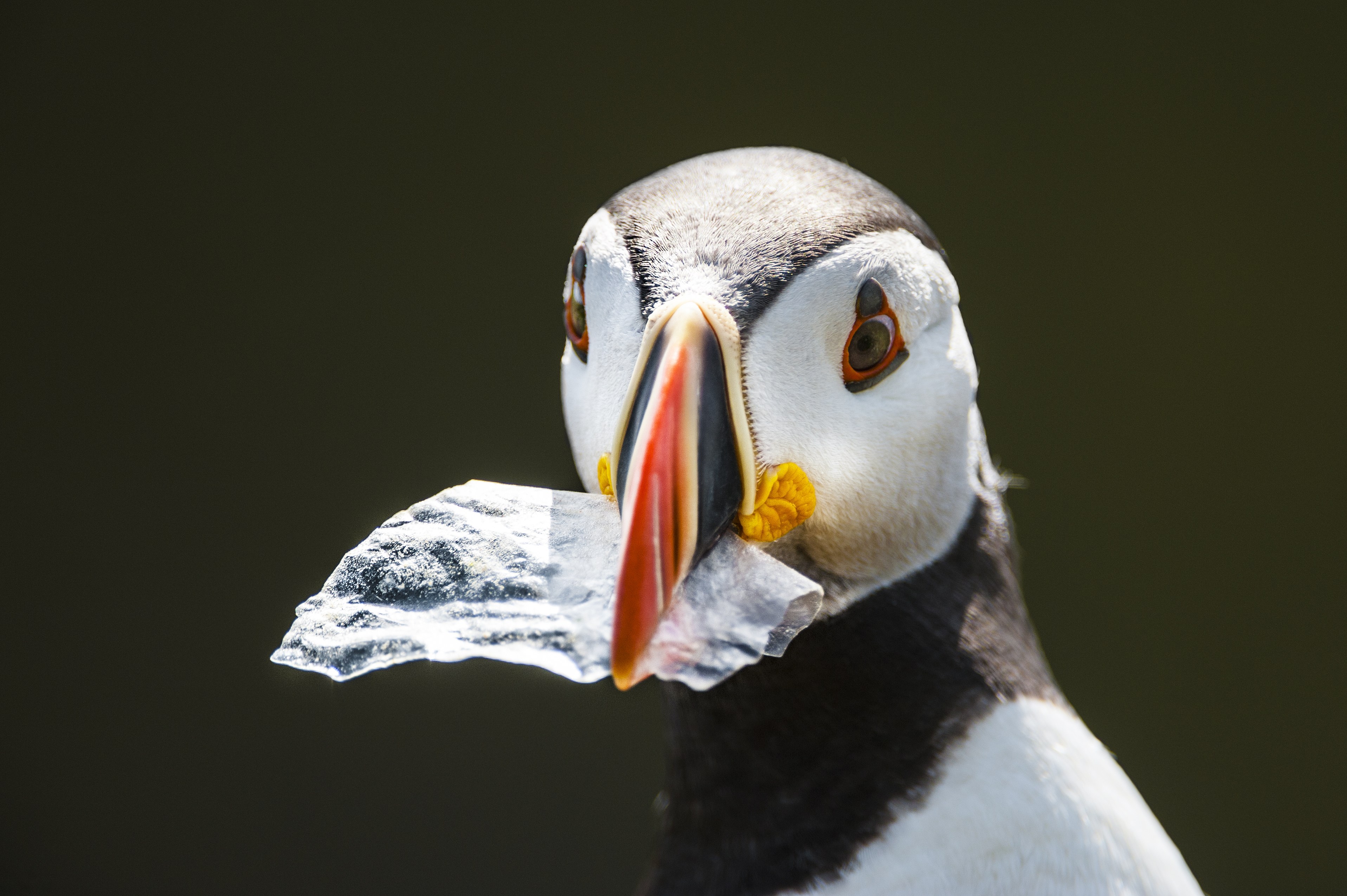
OceanCare regards underwater noise and marine plastic pollution as the most pressing challenges for international cooperation to develop conservation measures.
Another issue of great concern to the CMS is the increasing hunt for marine species for human consumption, including cetaceans, sirenians, turtles and crocodiles, to compensate for declining fisheries resources in some regions of West Africa, South-East Asia and Latin America.
“We are excited about this partnership. There is an urgent need to work together with stakeholders and communities in the region to bring back the balance of the marine ecosystem which will make people and wildlife become the winners. Time is pressing“ comments Sigrid Lüber, President of OceanCare.
Joining Mclellan in the five-day CMS meet are two other OceanCare experts, Nicolas Entrup and Joanna Toole, who will lead the discussion on underwater noise and the increasing hunt for marine species for human consumption.
“Sustainable fisheries management is crucial for restoring the subsistence of local fishing communities. We hope to cooperate on all levels, with government representatives, international fora, and above all local people, to restore the balance of the marine ecosystem and to efficiently protect endangered species from hunting”, Toole said.
Original source: Manila Bulletin
Published on 22 October 2017