
Add us as your preferred source on Google to see more of our content in Search.
 Add to Preferred Sources
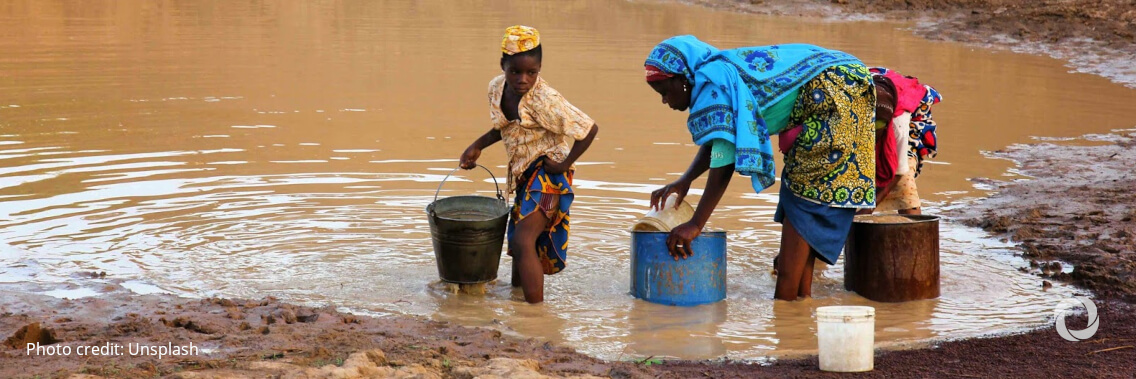
More than 220 million children and their families in Africa are water insecure. The impact is staggering: 58 percent of children in Eastern and Southern Africa and 31 percent of children in West and Central Africa live in areas of high, or extremely high, water vulnerability.
The children are more likely to miss school to fetch water. They are more likely to suffer malnutrition and stunting when droughts and floods impact agricultural food production. And they are more likely to get sick when communicable diseases and infections spread due to lack of sanitation and contaminated water quality.
In addition to its impact on children’s health and well-being, water insecurity also limits economic growth and forces people to migrate.
As climate change leads to unpredictable and extreme weather patterns, and as population growth increases stress on water resources due to increased water demand and competition, the situation will only get worse.
The reality is stark: Investment in climate-resilient water infrastructure in Africa currently stands far below the levels necessary to ensure water security for the continent’s people. The African Development Bank estimates that US$ 64 billion should be invested annually to meet the 2025 Africa vision of water security for all; but the actual figure invested stands between US$10 -US$19 billion per year.
Urgent action is needed to transform the investment outlook for climate-resilient water and sanitation services in Africa.
The COVID 19 pandemic has brought an added sense of urgency, with billions of people lacking access to handwashing facilities at home.
That is why UNICEF and the Global Water Partnership in Africa are issuing this joint call to action:
They are calling on governments, development organizations, donors, businesses, and civil society to gather behind the urgent need to accelerate investment in climate-resilient water and sanitation services in Africa.
As the development community convenes for the 14th annual European Development Days, our message is clear: Investment in water governance, as well as water and sanitation services, must be prioritized at the highest political level by Heads of States and Government, with leadership and commitment to reverse the current inadequate investment trend.
Development partners, donors, and the private sector have an opportunity to provide technical and long-term financial commitments through public-private partnerships and innovative co-financing mechanisms to support sustainable water and sanitation investments.
Civil society can play a key role in working with communities to support and advocate for climate-resilient water and sanitation programs, especially in the areas of high-water vulnerability.