
Add us as your preferred source on Google to see more of our content in Search.
 Add to Preferred Sources
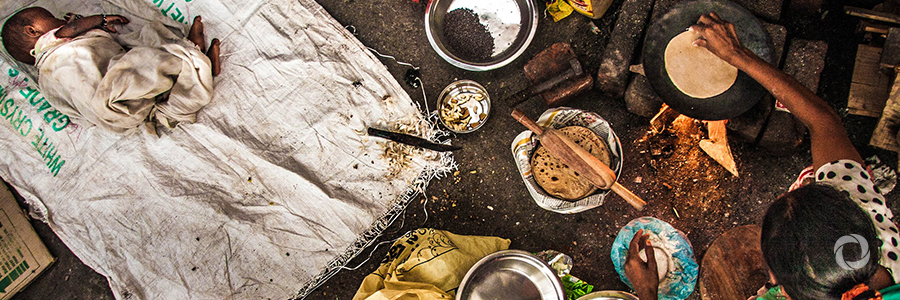
Women all over the world risk their lives carrying out a mundane, necessary task every day: cooking food over open fire. Every eight seconds, someone in the world dies because of the effects of inhaling fumes from open cooking fires or rudimentary stoves.
Cooking smoke or ‘household air pollution’ is linked to strokes, ischemic heart disease, chronic obstructive pulmonary disease and other ailments, and claims the lives of over 4.3 million people worldwide every year – more than malaria, tuberculosis and HIV/AIDS combined.
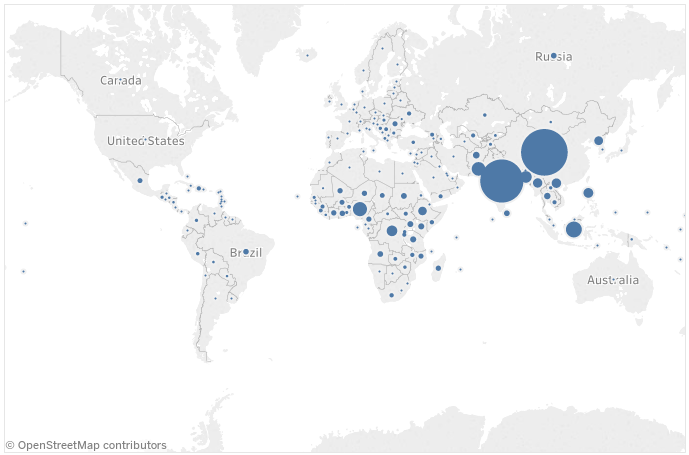
Almost half of the world population – roughly three billion people – cook on wood, charcoal, dung or coal, the highest polluting cooking fuels.
In poorly ventilated homes using these fuels, indoor smoke can be 100 times higher than acceptable levels for fine particles, with women and children being the most exposed to risk – as they breathe in thick smoke for hours while preparing meals.
‘Unclean’ cooking is causing a global health crisis that has gone largely unreported: factors including lack of data about the impact of cooking smoke on health, difficulties in measuring its effects and the fact that most deaths occur in developing countries (mainly hitting women) all contribute to the world’s lack of attention to the problem, even if there may be increased awareness of the issue in academia.
In addition, cooking on biomass fuels carries huge environmental consequences: the extraction of fuelwood for cooking is a major driver of deforestation, environmental degradation and greater climate vulnerability.
The WHO has already called exposure to smoke produced by burning biomass fuels ‘a leading environmental risk factor for death and disability in the world’.
Malawi, a small landlocked country in southeast Africa, is among the top 20 most affected countries in the world: 98 percent of the population relies on biomass woodfuels to cook (mostly on charcoal in the cities and firewood in rural areas).
Nearly 1 in 10 deaths in Malawi can be attributed to cooking fumes, and household air pollution from solid fuels is the leading risk factor for the national burden of disease in the country.
The international development community has been looking for a solution for more than three decades. Options include using cookstoves that are fuel-efficient and cleaner, thus emitting less soot than an open fire. A simple household appliance has been designed to improve health outcomes and ultimately save lives and the environment.
But can these ‘improved’ cookstoves save Malawi’s population from disease and death, environmental destruction and climate change?
The dangers of cooking
In Pitala, a small village on the shores of Lake Malawi located in the north of the country, Tina Chirwa says she constantly has to duck in and out of her open kitchen.
“When there is too much smoke, I have to go for air and take a deep breath,” she says. “The smoke is giving me headaches and tears in my eyes. It makes me cough – I have a burning sensation in my chest.”
The smoke also affects the children. “They cough a lot,” says her sister Vanessa. She points to the ribcage of her baby daughter who is tied on her back with a colourful cloth. “When I touch her here, she cries.”
Less than 10 percent of the population in Malawi, one of the world’s 10 poorest countries, have access to the country’s unreliable (and expensive) electricity network – for many, electric stoves are not an option. Likewise, cooking on gas is unaffordable (and unavailable) to the majority of people, who have to resort to other options.
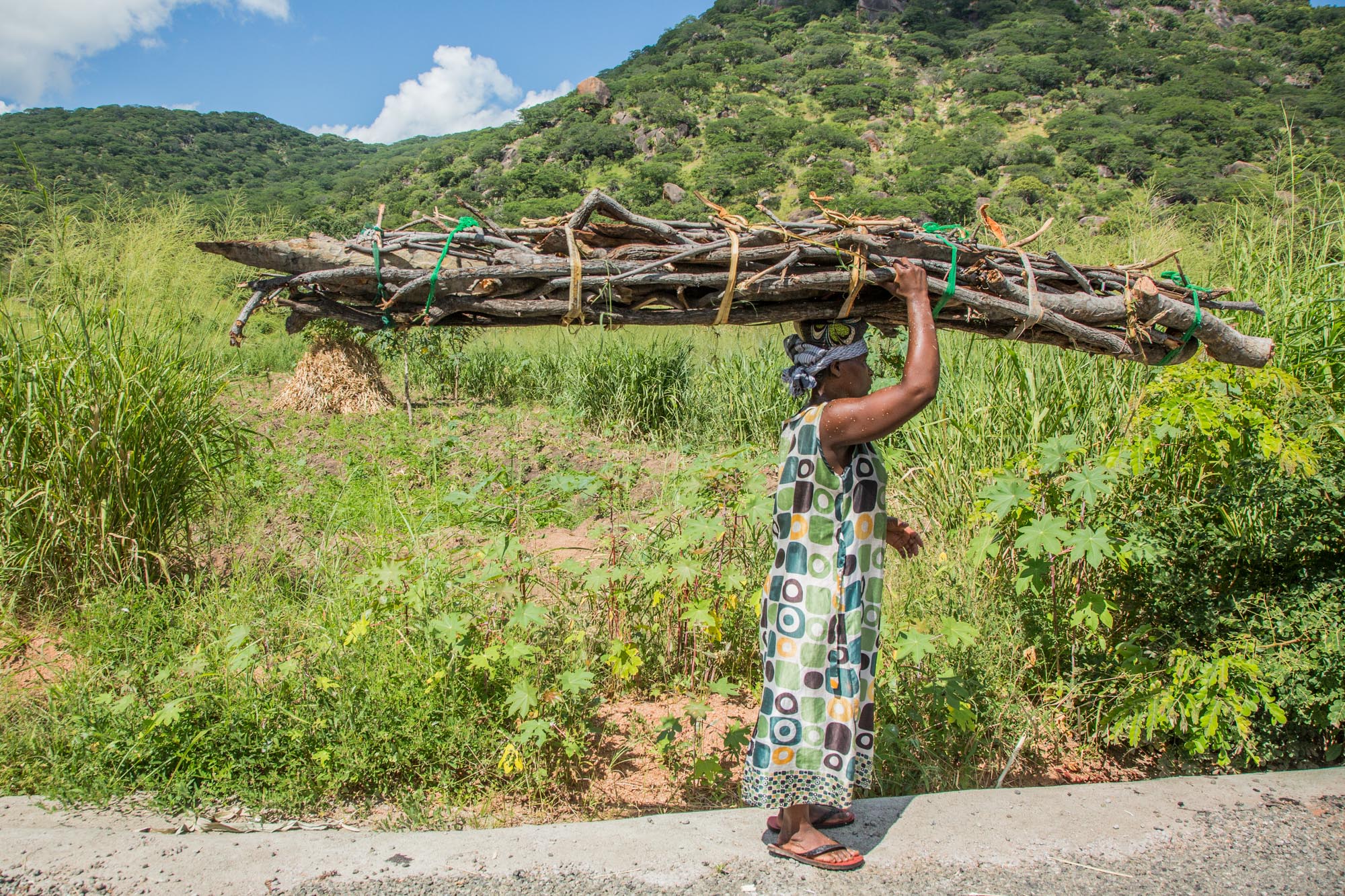
All over the country, women living in rural areas like Tina and her sister Vanessa are completely dependent on wood to cook, boil water and heat their homes. And doing so, they end up spending hours on daily trips to collect firewood – all while also risking their lives at home.
In urban and suburban areas, households have come to rely primarily on charcoal.
Cooking up the forest
The massive use of firewood for cooking has contributed to large-scale deforestation in Malawi. Every year, the country loses almost three percent of its forests. Scarcity of wood, in turn, increases the already heavy burden of care for Malawi’s women.
Pressure on the environment is only increasing due to high population growth and urbanization. The pace of deforestation is so alarming that the forestry authorities have called on the Malawian forces to protect the country’s most important forest reserves.
A solution seems far off. Yet, in the meantime, since there is no such thing as a cold lunch in Malawi, women in the country still have to cook all three daily meals over fire. Porridge for breakfast, the staple foods nsima – a thick maize samp – or rice, both served with a relish of vegetables and fish, for lunch and supper.
These are prepared in a pot on ‘traditional’ or ‘three-stone’ fires: three stones of equal height resting on the ground, with open wood fires lit in the middle. But three-stone fires not only burn inefficiently releasing toxic fumes: flames and the pot with hot fluid can also be unsafe, especially for children.
Read the full story here: New Internationalist