
Add us as your preferred source on Google to see more of our content in Search.
 Add to Preferred Sources
The global community continues to make significant progress to promote gender equality and women’s empowerment for sustainable development
However, a number of challenges still hamper efforts by most countries, particularly those in Africa to fully advance gender empowerment in all spheres of development including political, economic and social.
The recent 61st session of the Commission on the Status of Women (CSW61) acknowledged some of the challenges and said there is urgent need to address them to ensure sustainable socio-economic development.
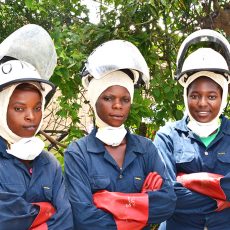 The CSW61 noted that most of the structural barriers that hinder gender parity and equality are usually found at the work place. These barriers include unbalanced terms and conditions of employment, recruitment, retention, re-entry, promotion and progression to senior management positions and the retirement and dismissal of women. Despite some positive trends in closing gender gaps and improving women’s labour conditions over the past few decades, gender inequalities in labour markets prevail worldwide and inhibit women’s economic empowerment.
In southern Africa, gender inequalities are manifested in the world of work as gender gaps in labour force participation and pay, occupational segregation, unequal working conditions and women’s burden of unpaid domestic and care work, which characterize both the formal and informal economies.