


Arctic Co-operation Programme 2023
Last update: Jan 24, 2023
Arctic Co-operation Programme 2023
Last update: Jan 24, 2023

Details

Location:
Aland Islands, Denmark, Faroe Is ...
Aland Islands, Denmark, Faroe Islands, Finland, Greenland, Iceland, Norway, Sweden
Grantmaking entity type:
Development Institution
Status:
Closed
Budget:
N/A
Award ceiling:
DKK 500,000
Award floor:
N/A
Sector:
Energy, Environment & Climate, Gender & Human Rights, Health, Social Development, Urban Development & Housing, Private Sector & Trade
Eligible applicants:
Unrestricted / Unspecified
Eligible applicant countries:
Aland Islands, Denmark, Faroe Is ...
Aland Islands, Denmark, Faroe Islands, Finland, Greenland, Iceland, Norway, Sweden
Date posted:
Jan 24, 2023

Attachments

There are no attachments to display.

Associated Awards

There are no awards associated with this grant.
Want to unlock full information?
Member-only information. Become a member to access this information. Procurement notices from over 850+ sources of tenders and grants published by donors, development banks, foundations, and international financial institutions (IFIs) are available here.

Description

The Arctic Co-operation Programme supports individuals, organisations and actors working in the area of sustainable development. This entails funding innovative and sustainable projects that focus on solutions to current challenges in the Arctic region. I
Hidden

Contact Details • 1

Available with membership·See plans

Market Intelligence

Discover the Europe Non EU 27 market report

Explore key market trends, active sectors, major donors, and business opportunities across the development landscape.

View report
Similar grants
By Locations
Funding agency:
Nordic Council
Status:
closed
Location:
Aland Islands, Denmark, Faroe Islands, Finland, Greenland, Iceland, Norway, Sweden
By Sectors
Funding agency:
NUFFIC
Status:
closed
Location:
Afghanistan, Albania, Armenia, Bangladesh, Benin, Bhutan, Bolivia, Burkina Faso, Burundi, Cambodia, Colombia, Cuba, Dem. Rep. Congo, Egypt, Ethiopia, Georgia, Ghana, Guatemala, Guinea, Indonesia, Jordan, Kenya, Lebanon, Liberia, Mali, Mozambique, Myanmar, Nepal, Nicaragua, Niger, Nigeria, North Macedonia, Pakistan, Palestine / West Bank & Gaza, Peru, Philippines, Rwanda, Senegal, Sierra Leone, Somalia, South Africa, South Sudan, Sri Lanka, Sudan, Suriname, Tanzania, Thailand, Tunisia, Uganda, Vietnam, Yemen, Zambia, Zimbabwe
Funding agency:
NUFFIC
Status:
closed
Location:
Afghanistan, Burkina Faso, Dem. Rep. Congo, Guatemala, Guinea, Jordan, Lebanon, Liberia, Nigeria, Senegal, Sierra Leone, Somalia, South Sudan, Sudan, Yemen, Zambia
grant Background

About the Funding Agency

Nordic co-operation involves Denmark, Finland, Iceland, Norway and Sweden as well as the Faroe Islands, Greenland and the Åland Islands. Official co-operation between the Nordic countries is one of the most comprehensive regional partnerships anywhere in the world.
Nordic Co-operation has political, financial and cultural roots and is an important partner in European and international co-operation. The Nordic community strives for a strong Nordic region in the world.

About the Sectors

Energy

Involves the production, transformation, transportation, and distribution of energy from renewable and non-renewable sources.


Key areas:
  • Renewable and non-renewable energy production
  • Energy infrastructure and distribution systems
  • Power generation and energy supply solutions

Environment & Climate

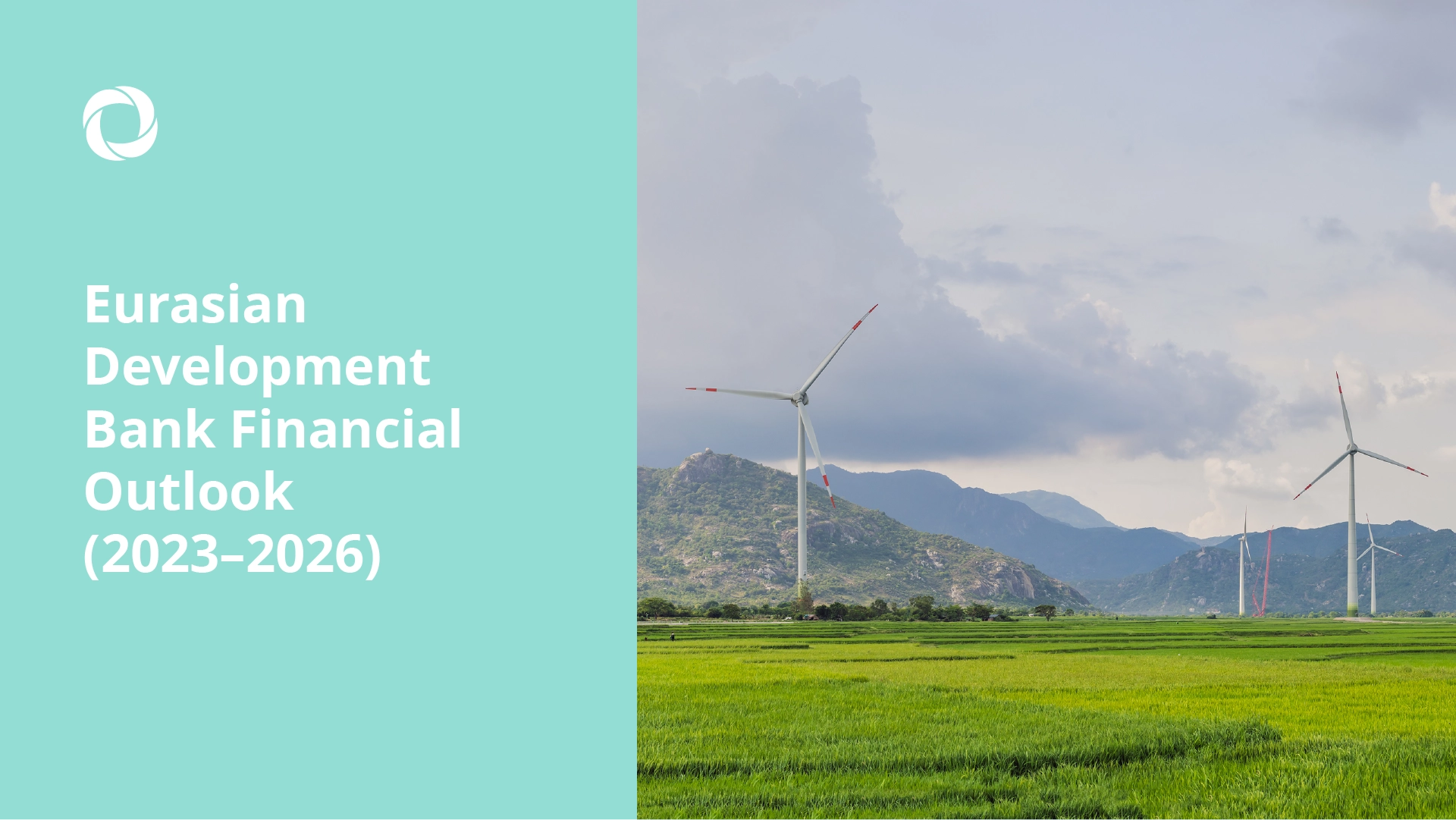
Focuses on protecting natural ecosystems, promoting sustainable resource management, enhancing climate resilience, and mitigating the impacts of climate change through conservation, adaptation, and low-carbon initiatives.

Key areas:
  • Environmental protection and conservation
  • Natural resource and ecosystem management
  • Climate change and environmental resilience

Locations

Aland Islands

The Åland Islands prioritize port modernization, ferry connections, renewable energy, and digital infrastructure to support trade, tourism, and regional connectivity. As an autonomous region of Finland, financing is provided through national budgets and EU structural funds. Geographic isolation and maritime transport requirements heavily influence infrastructure planning. Climate adaptation, energy sustainability, and connectivity remain central priorities for long-term development.

Nr. of tenders: 1073
Nr. of grants: 902
Nr. of donors: 174
Nr. of jobs: 16

Denmark

Denmark maintains advanced transport, energy, and digital infrastructure with a strong emphasis on sustainability and green transition. Major investments focus on offshore wind, district heating systems, smart grids, and low-emission transport networks. Infrastructure financing is supported by strong public finances and private sector participation. Climate neutrality targets and innovation-driven policies guide long-term infrastructure planning.

Nr. of tenders: 11800
Nr. of grants: 16576
Nr. of donors: 568
Nr. of jobs: 26
Frequently Asked Questions
Haven't found what you're looking for? Get in touch with us using our contact page.
Where can I find international grant opportunities?
DevelopmentAid collects grant opportunities from bilateral donors, multilateral agencies, foundations, and international organizations in one centralized platform.
Who can apply for grants listed on DevelopmentAid?
Grants are typically open to NGOs, civil society organizations, research institutions, public entities, and sometimes private organizations or consortia.
Does DevelopmentAid help with grant applications?
DevelopmentAid does not write or submit applications, but it provides access to full call details, guidelines, deadlines, and donor information needed to apply.