Sélection des Partenaires de Mise en Œuvre des Activités de Désenclavement des Zones de Santés de Minova, Kalehe et Katana au Sud Kivu
Last update: Aug 20, 2024
Sélection des Partenaires de Mise en Œuvre des Activités de Désenclavement des Zones de Santés de Minova, Kalehe et Katana au Sud Kivu
Last update: Aug 20, 2024

Details

Location:
Dem. Rep. Congo
Dem. Rep. Congo
Funding agency:
Grantmaking entity type:
Development Institution
Status:
Closed
Budget:
USD 982,850
Award ceiling:
N/A
Award floor:
N/A
Sector:
Roads & Bridges, Civil Engineering
Languages:
English, French
Eligible applicants:
NGOs / Nonprofit Organisations
Eligible applicant countries:
Dem. Rep. Congo
Dem. Rep. Congo
Date posted:
Aug 20, 2024

Attachments • 6

Appe.. .

Aug 20, 2024

Anne.. .

Aug 20, 2024

AP R.. .

Aug 20, 2024

Copy.. .

Aug 20, 2024

WFP_.. .

Aug 20, 2024

Clus.. .

Aug 20, 2024

Associated Awards

There are no awards associated with this grant.
Available with membership·See plans
Want to unlock full information?
Member-only information. Become a member to access this information. Procurement notices from over 850+ sources of tenders and grants published by donors, development banks, foundations, and international financial institutions (IFIs) are available here.

Description

Sélection des Partenaires de Mise en Œuvre des Activités de Désenclavement des Zones de Santés de Minova, Kalehe et Katana au Sud Kivu
Hidden

Market Intelligence

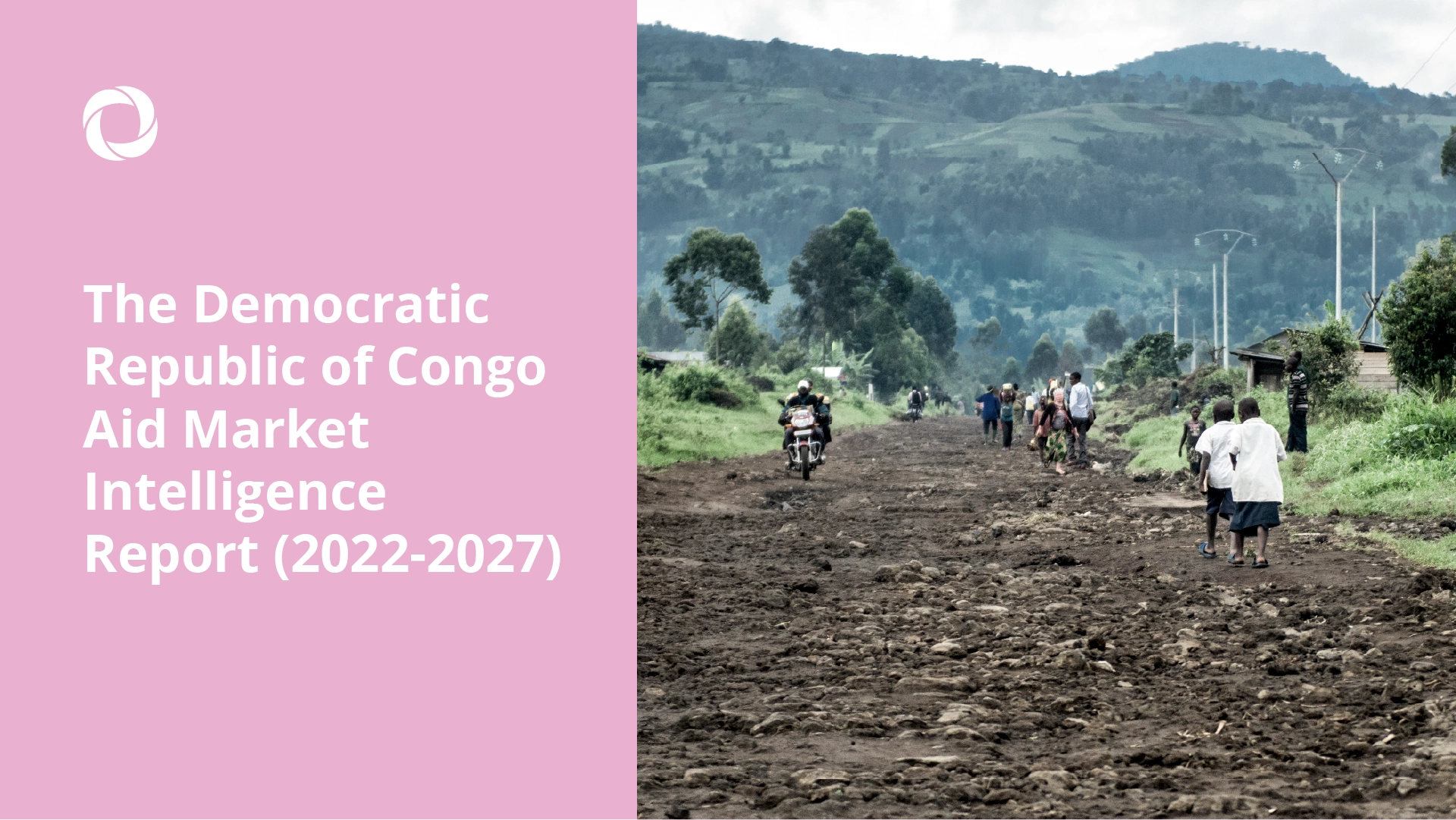
Discover the Dem. Rep. Congo market report

Explore key market trends, active sectors, major donors, and business opportunities across the development landscape.

View report
grant Background

About the Funding Agency

Founded in 1961 and headquartered in Rome, Italy, its primary mission is to provide life-saving food assistance during emergencies and to work with communities to improve nutrition and build resilience. In recognition of its extensive efforts to combat hunger, foster peace in conflict-affected areas, and prevent the use of food as a weapon of war, the WFP was awarded the Nobel Peace Prize in 2020.

The organization operates in more than 120 countries and territories, delivering critical assistance to over 150 million people annually who are victims of conflict, climate shocks, epidemics, and poverty. WFP’s emergency response infrastructure allows it to deploy food, cash transfers, and medical supplies to disaster zones within hours. Beyond immediate crisis relief, the program actively runs long-term development initiatives, such as school feeding programs, which incentivize education while ensuring children receive necessary daily nutrients to thrive.

As a completely voluntarily funded agency, the WFP relies entirely on donations from governments, corporations, and individual donors to sustain its global operations. It acts as the backbone of international humanitarian logistics, managing complex supply chains that transport aid by air, land, and sea to the most remote corners of the globe. By aligning its operations with the United Nations Sustainable Development Goals—specifically Goal 2: Zero Hunger—the WFP continues to lead the global fight to eliminate malnutrition and achieve food security for all.
 

About the Sectors

Roads & Bridges

Comprises initiatives that develop and maintain road transport infrastructure to improve connectivity, safety, and mobility for people and goods.


Key areas:
  • Road and highway construction and rehabilitation
  • Bridge, overpass, and tunnel engineering works
  • Trails and related transport corridors
  • Runway-related works within transport infrastructure

Civil Engineering

Encompasses the planning, design, construction, and maintenance of the physical and naturally built environment and public works within the built environment.


Key areas:
  • Designing and constructing resilient infrastructure
  • Rehabilitating and maintaining the existing built environment
  • Upkeep and modernization of transportation and public infrastructure

Locations

Dem. Rep. Congo

The Democratic Republic of the Congo has stepped up infrastructure investment to strengthen connectivity and stimulate economic development, including road rehabilitation, airport upgrades and improved access to markets supported by external financing from multilateral partners. Infrastructure remains critical given the country’s vast size and low access to electricity and reliable transport; projects such as road corridor development and expansion of trade logistics aim to unlock mineral value chains and agricultural markets. Strengthening institutional frameworks, enhancing public-private partnerships and improving governance are key to translating these investments into inclusive growth and diversification beyond resource exports.

Nr. of tenders: 21153
Nr. of grants: 4201
Nr. of donors: 761
Nr. of jobs: 152
Frequently Asked Questions
Haven't found what you're looking for? Get in touch with us using our contact page.
Where can I find international grant opportunities?
DevelopmentAid collects grant opportunities from bilateral donors, multilateral agencies, foundations, and international organizations in one centralized platform.
Who can apply for grants listed on DevelopmentAid?
Grants are typically open to NGOs, civil society organizations, research institutions, public entities, and sometimes private organizations or consortia.
Does DevelopmentAid help with grant applications?
DevelopmentAid does not write or submit applications, but it provides access to full call details, guidelines, deadlines, and donor information needed to apply.