Call for EOIs: Improve Food and Nutrition Access for Crisis-Affected Communities (Ethiopia)
Last update: Sep 30, 2026
Call for EOIs: Improve Food and Nutrition Access for Crisis-Affected Communities (Ethiopia)
Last update: Sep 30, 2026

Details

Location:
Ethiopia
Ethiopia
Funding agency:
Status:
Closed
Budget:
N/A
Award ceiling:
N/A
Award floor:
N/A
Sector:
Food Systems & Livelihoods, Migration & Refugees, Disaster Reduction & Humanitarian Relief
Languages:
English
Eligible applicants:
NGOs / Nonprofit Organisations
Eligible applicant countries:
Ethiopia
Ethiopia
Date posted:
Sep 30, 2026

Attachments

There are no attachments to display.

Associated Awards

There are no awards associated with this grant.
Want to unlock full information?
Member-only information. Become a member to access this information. Procurement notices from over 850+ sources of tenders and grants published by donors, development banks, foundations, and international financial institutions (IFIs) are available here.

Description

Call for EOIs: Improve Food and Nutrition Access for Crisis-Affected Communities (Ethiopia)The World Food Programme is seeking partners to provide food security and nutrition assistance to crisis-affected populations, including refugees and internally dis
Hidden

Market Intelligence

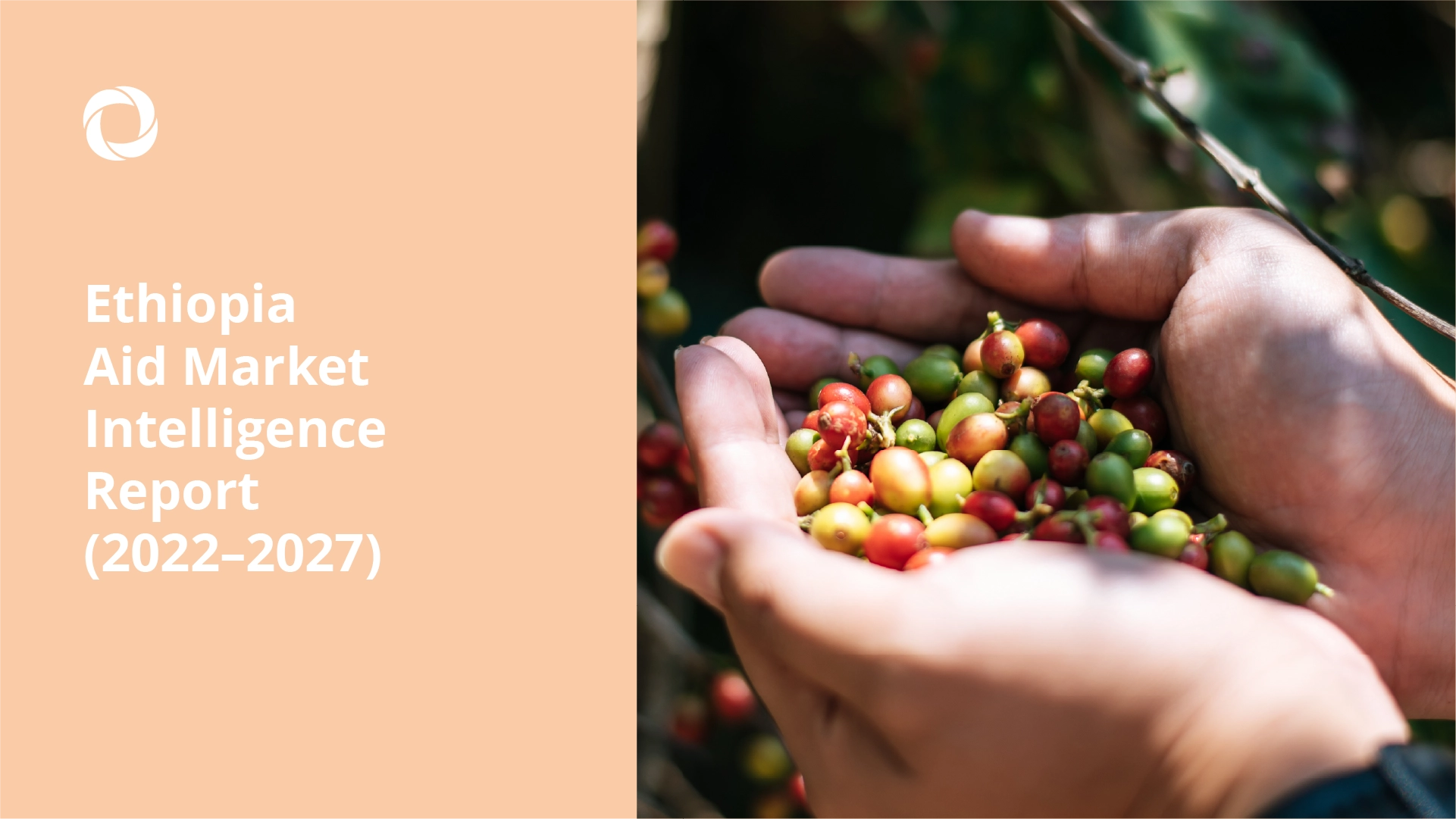
Discover the Ethiopia market report

Explore key market trends, active sectors, major donors, and business opportunities across the development landscape.

View report
grant Background

About the Funding Agency

Founded in 1961 and headquartered in Rome, Italy, its primary mission is to provide life-saving food assistance during emergencies and to work with communities to improve nutrition and build resilience. In recognition of its extensive efforts to combat hunger, foster peace in conflict-affected areas, and prevent the use of food as a weapon of war, the WFP was awarded the Nobel Peace Prize in 2020.

The organization operates in more than 120 countries and territories, delivering critical assistance to over 150 million people annually who are victims of conflict, climate shocks, epidemics, and poverty. WFP’s emergency response infrastructure allows it to deploy food, cash transfers, and medical supplies to disaster zones within hours. Beyond immediate crisis relief, the program actively runs long-term development initiatives, such as school feeding programs, which incentivize education while ensuring children receive necessary daily nutrients to thrive.

As a completely voluntarily funded agency, the WFP relies entirely on donations from governments, corporations, and individual donors to sustain its global operations. It acts as the backbone of international humanitarian logistics, managing complex supply chains that transport aid by air, land, and sea to the most remote corners of the globe. By aligning its operations with the United Nations Sustainable Development Goals—specifically Goal 2: Zero Hunger—the WFP continues to lead the global fight to eliminate malnutrition and achieve food security for all.
 

About the Sectors

Food Systems & Livelihoods

Features all the components, activities, and processes related to food production, processing, safety, and access, as well as initiatives that support livelihoods and income generation for individuals and communities.


Key areas:
  • Food systems and processing
  • Food security, nutrition, and resilience
  • Livelihood support and income-generating activities

Migration & Refugees

Focuses on managing migration flows, protecting displaced populations, and supporting durable solutions for migrants and refugees.


Key areas:
  • Migration management and policy support
  • Refugee protection and assistance
  • Population movement and resettlement
  • Social integration and protection services

Locations

Ethiopia

Ethiopia’s infrastructure strategy has been transformative, centered on large-scale energy, transport and industrial development projects that support economic transformation. The Grand Ethiopian Renaissance Dam - Africa’s largest hydroelectric facility - exemplifies national efforts to expand energy access and build export capacity, while ambitious transport initiatives include expanding expressways and planning what is set to be Africa’s largest new airport. Free trade zones and enhanced logistics corridors aim to improve competitiveness and regional integration. Continued reforms to strengthen institutional capacity, attract investment, and extend services to rural areas are essential to sustaining inclusive growth.

Nr. of tenders: 24168
Nr. of grants: 4369
Nr. of donors: 860
Nr. of jobs: 99
Frequently Asked Questions
Haven't found what you're looking for? Get in touch with us using our contact page.
Where can I find international grant opportunities?
DevelopmentAid collects grant opportunities from bilateral donors, multilateral agencies, foundations, and international organizations in one centralized platform.
Who can apply for grants listed on DevelopmentAid?
Grants are typically open to NGOs, civil society organizations, research institutions, public entities, and sometimes private organizations or consortia.
Does DevelopmentAid help with grant applications?
DevelopmentAid does not write or submit applications, but it provides access to full call details, guidelines, deadlines, and donor information needed to apply.