
Add us as your preferred source on Google to see more of our content in Search.
 Add to Preferred Sources
At a meeting of the Group of 7 on 5-6 November 2017 in Milan, Ministers of Health reiterated the importance of sustaining commitment to eradicate polio. They also recognized… “the importance of continuing our efforts to succeed and keep the world sustainably polio‐free, and, of the opportunity to leverage and transition polio assets and resources that have generated major and broader health benefits, including strengthened health systems.”
At the meeting, entitled “United towards Global Health: common strategies for common challenges”, Ministers discussed key global health challenges guided by the G7 Taormina Leaders’ Communiqué.
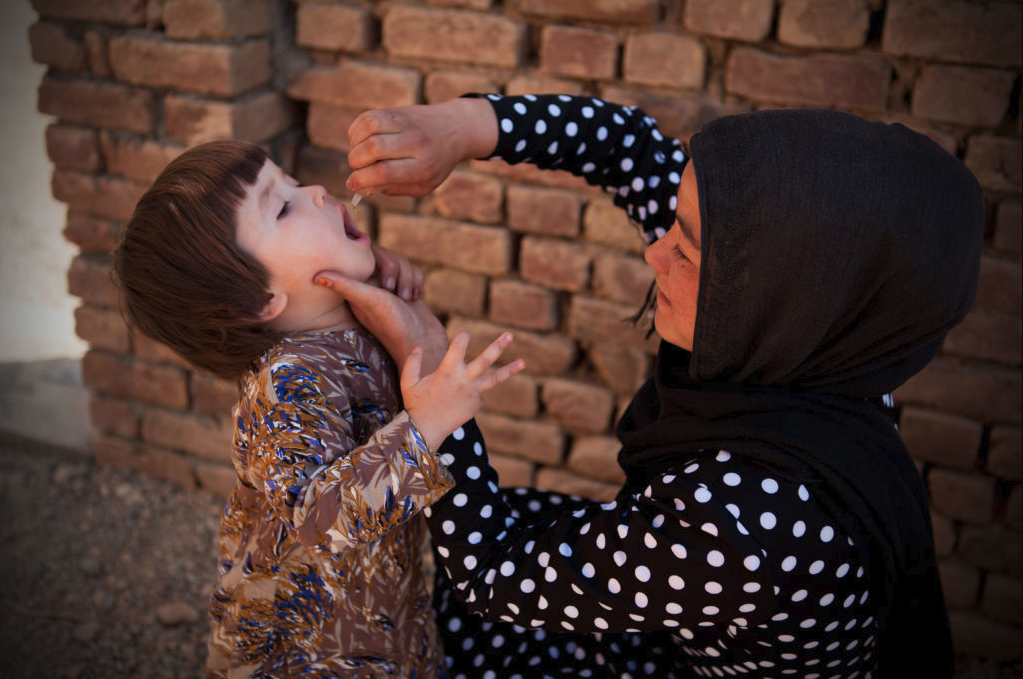
High level support from Ministers of Health at the Group of Seven meeting is critical for securing a polio free world.
Following previous G7 and G20 commitments and in line with the Sustainable Development Goals, the Ministers made a statement on “… the importance of strengthening health systems through each country’s path towards Universal Health Coverage, leaving no one behind, and of preventing health systems from collapsing during humanitarian and public health emergencies and effectively mitigating health crises”.
Under Japanese and Italian Presidencies in 2016 and 2017, the importance of the global effort to eradicate polio and the opportunity to transition polio-funded assets for Universal Health Coverage and Global Health Security after eradication have been highlighted several times. Such high-level political support for the initiative is critical to maintain the momentum needed for success.
In 2018, Canada, a longstanding GPEI donor, will hold the Presidency of the G7, 16 years after it placed polio eradication on the agenda of the G7 for the first time.
Original source: Global Polio Eradication Initiative.
Published on 7 November 2017