
Add us as your preferred source on Google to see more of our content in Search.
 Add to Preferred Sources
As world leaders meet about the crisis in Yemen and at President Biden’s COVID-19 Summit, Yemenis are battling the third wave of COVID-19, which threatens 99 percent of the population who are unvaccinated, Oxfam said.
Recorded cases of COVID have tripled and the death rate has risen by more than fivefold (420 percent) in the last month. Excluded from these figures are countless undiagnosed deaths of people in their homes due to the scarcity of tests and hospital beds. Nor does the official death toll of 1649 include the vast majority of Yemeni people who live in the north of the country where COVID-related data is not available.
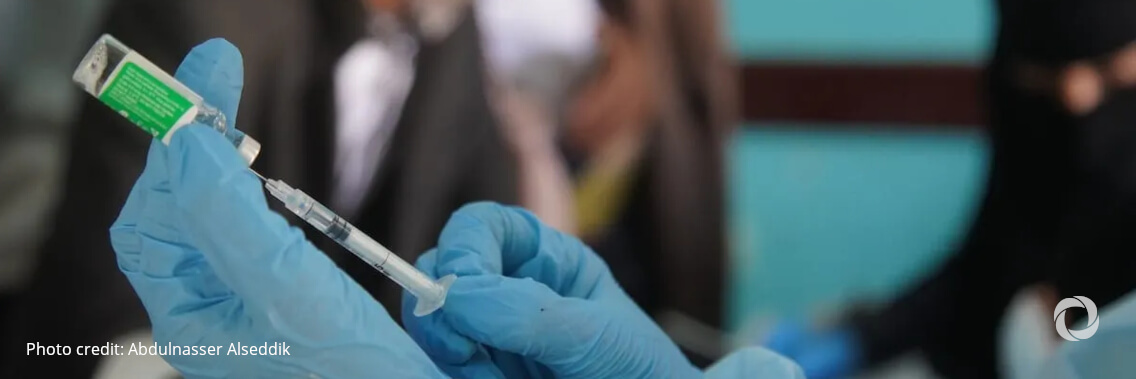
Despite promises that COVAX, the global initiative to deliver vaccines, would achieve at least 23 percent vaccination coverage in all member countries by the end of this year, less than one per cent of Yemen’s 30.5 million people have so far received one dose, and only 0.05 per cent of the population are fully vaccinated.
Halfway through the year, the COVAX scheme was already short by 88 percent of the promised doses for Yemen, having delivered just 511,000 of 4.2 million. Fears that Yemen’s only source of vaccines to date will fail the country again increased last week when the initiative announced it was half a billion doses short of its global supply target.
Muhsin Siddiquey, Oxfam’s in Yemen’s country director, said: “Yemen has one of the highest COVID fatality rates in the world – it simply can’t cope with this virus. The conflict has decimated the already fragile healthcare system. Many people are very weak because they can’t afford to feed themselves properly or buy basic medicines. Others are unable to afford the cost of transportation to a medical center because of the ongoing fuel crisis.
“Vaccination is a simple solution that would save lives, but the international community is failing the people of Yemen who need doses now. We need the vaccines that have been promised but it is also shameful that having bought up all the vaccines for themselves rich countries like the UK and Germany are blocking the solutions that would see the rights and recipes of these lifesaving vaccines shared so that more can be produced for countries like Yemen. Protecting lives should be more important than protecting the outsized profits of pharmaceutical corporations who have already made billions from this crisis.”
Over four million Yemenis have been displaced during the conflict with around two million living in Marib, currently the site of fierce fighting. Conditions in the camps are dire, many people have no access to clean water, sanitation facilities, or healthcare.
Salma Qassem*, a midwife who has been living in one of Marib’s camps for the last two years, said: “I was first displaced six years ago. Some people here do not believe COVID exists. Though we have had many cases here in the camps, people haven’t yet realized that the pandemic is spreading. The shelter is the biggest obstacle for Internally Displaced People like us. Some people want to follow the precautions, but they can’t afford them for economic reasons. It is very difficult in terms of isolation for us to face COVID here in the camp especially if anyone is affected, how and where shall we isolate them?”
According to the UN, two out of three Yemenis lack access to healthcare services. Over six years from the start of the conflict, only an estimated half of healthcare facilities are still operating. An estimated 20 million Yemenis need healthcare assistance including 5.9 million children. Sources report that Yemen’s doctors in public hospitals have been working unpaid with some sleeping in hospitals and clinics as they cannot afford accommodation.
This year the UN requested donor countries to provide $3.9 billion for essential humanitarian aid – so far less than half has been donated with healthcare only receiving 11 percent of the funds it needs.