

Add us as your preferred source on Google to see more of our content in Search.
 Add to Preferred Sources
While the global COVID-19 outbreak has resulted in higher levels of extreme poverty, reduced the number of jobs available, and weakened the world’s healthcare systems making them less accessible to the most vulnerable, some global development indicators have been less affected than previously expected.
Checking the progress that humanity has made in achieving the UN’s Sustainable Development Goals, the latest Annual Goalkeepers report by the Bill & Melinda Gates Foundation shows the setbacks experienced in achieving some goals triggered by the global pandemic have not been acute as international experts and institutions predicted.
Extreme poverty deepens, education impacted
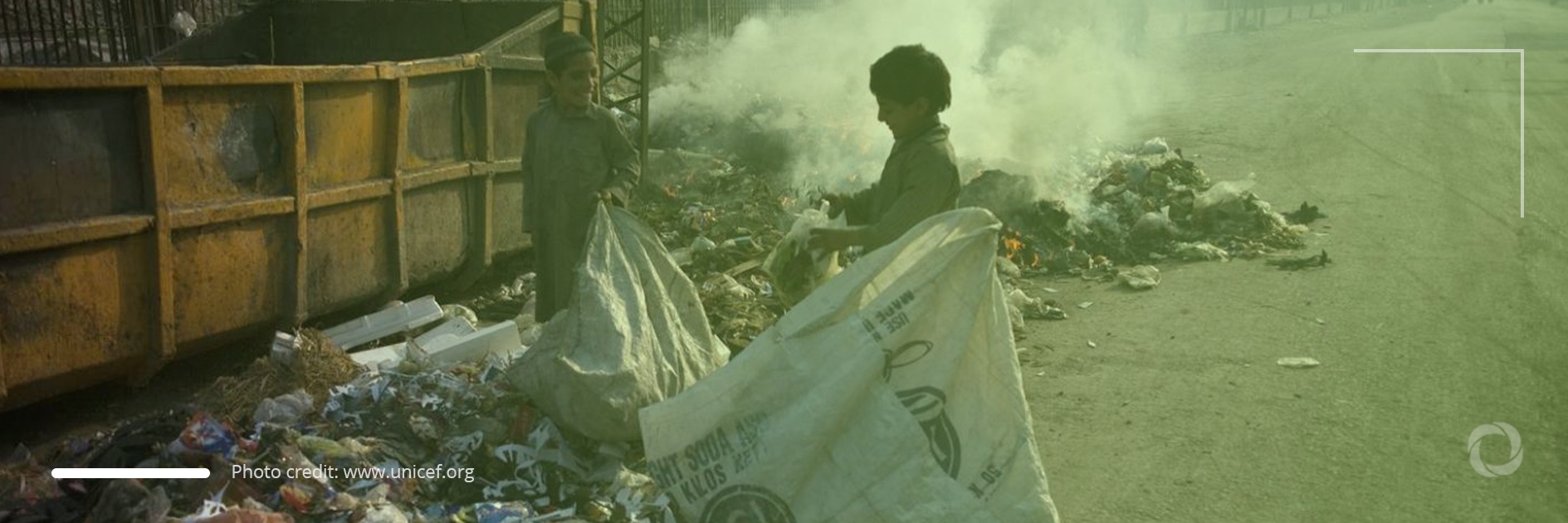
The publication reveals that the COVID-19 outbreak has pushed an additional 31 million people into extreme poverty with women being more affected since their employment was impacted more than was the case for men. The report assesses that this year, men’s employment will return to pre-pandemic levels while there will be 13 million fewer jobs for women compared to 2019.
Fig.1. The pandemic has pushed millions of people into extreme poverty
According to the Bill & Melinda Gates Foundation, extreme poverty levels will not start to decrease before 2030. While 90% of high-income economies will probably recover to pre-pandemic per capita income levels, only a third of low- and middle-income states will be able to achieve the same goal. The latter are inhabited by 700 million extremely poor people, where the economic downturn will not enable a reduction in poverty nor improve their situation, the report notes.
Education has also been affected by the pandemic. It is estimated that before the outbreak, 9 out of 10 of those living in low-income countries could not read or understand the basic text while in high-income states this ratio was 1 in 10 although the publication reveals that the pandemic has now worsened this situation even in wealthy states.
Positive signs in healthcare
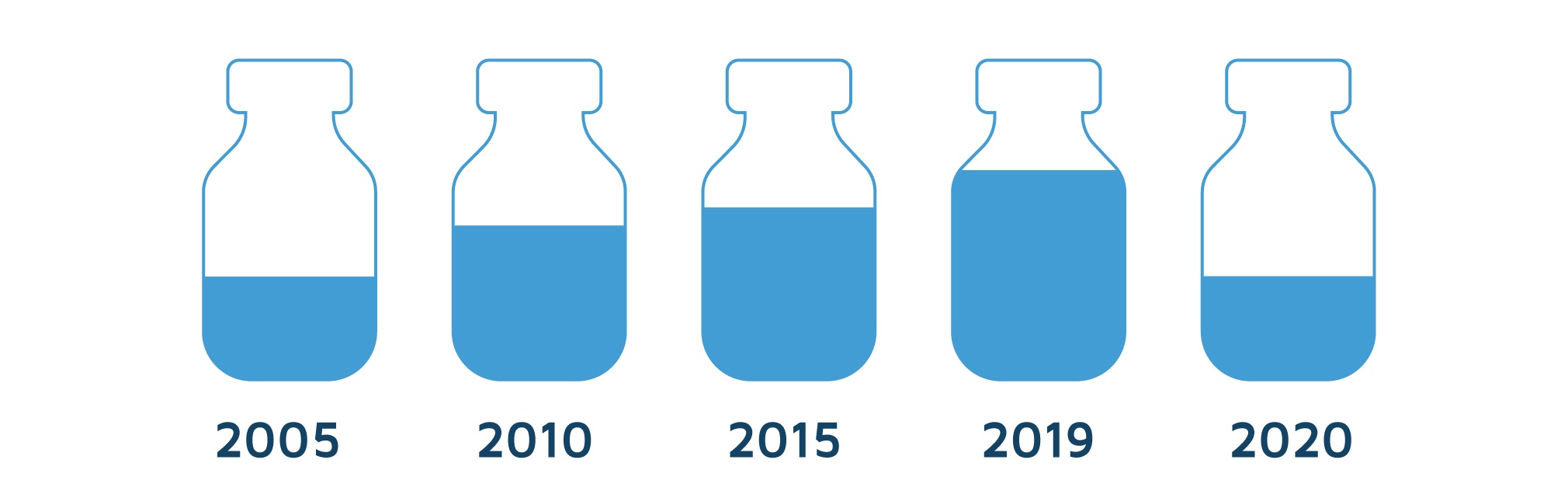
However, there is still some positive news. When the pandemic began, the Washington D.C.-based Institute for Health Metrics and Evaluation estimated that the outbreak would decrease the level of vaccinations amongst children to that recorded in 1995. Thankfully, this prediction proved to be something of an exaggeration as the pandemic increased the number of children who were not vaccinated by 10 million. Thus, in the second half of 2020, 30 million children missed their jabs compared to the predicted 60 million. As Mark Suzman, Chief Executive of the Gates Foundation explained:
“This is because many poorer countries did vaccination catch-up campaigns and targeted outreach in key areas”.
Fig.2. Global routine childhood vaccination rates in 2020 fell to 2005 levels
Similarly, the worst-case scenario was projected for malaria whereby experts warned of a possible huge increase in cases, predicting that the pandemic would have prevented people seeking help in clinics and overwhelmed healthcare systems would not have been able to assist them. However, this situation did not arise and the number of malaria cases did not significantly grow compared to pre-pandemic levels and the countries on the African continent that are most affected by the disease managed to deal with the problem.
What of COVID-19 vaccines
The report also shows a huge discrepancy in terms of the supply of COVID-19 vaccines in high- and low-income countries highlighting that only 1% of the population in low-income states has been vaccinated. In Africa, which is inhabited by 1.3 billion people, only 48 million have received jabs whereas in the U.S. state of California, which is home to 39.5 million people, as many as 42 million vaccines have been administrated. The latest report from the Economist Intelligence Unit assesses that this inequality could cost the global economy about US$2.3 trillion.
Fig.3. The scale of COVID-19 vaccine inequity