
Add us as your preferred source on Google to see more of our content in Search.
 Add to Preferred Sources
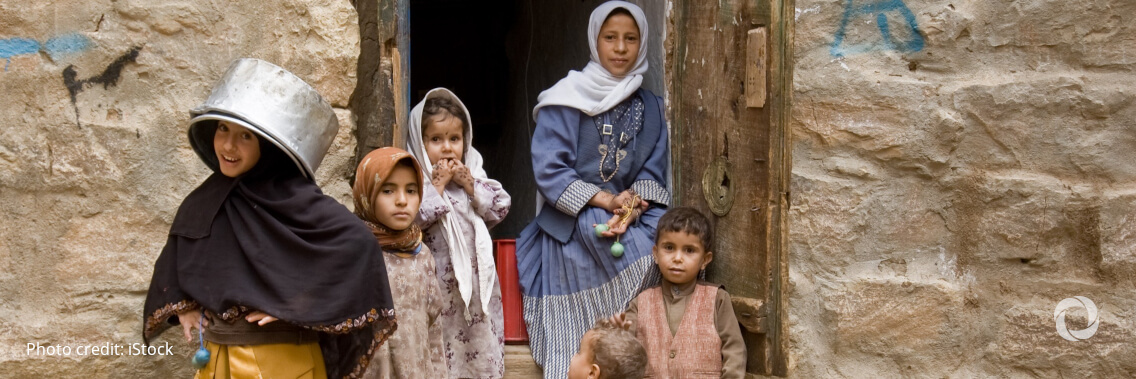
The International Organization for Migration (IOM) has ramped up its humanitarian assistance on Yemen’s west coast where the needs of communities displaced by years of conflict are growing amid ongoing violence.
IOM’s response is focusing primarily on the two governorates of Ta’iz and Hodeidah, where active frontlines continue to cause instability and force families to flee.
Since 2017, when mass displacement in the area began, tens of thousands of people have struggled to survive in protracted displacement in hard-to-reach areas where public services and humanitarian assistance are extremely limited.
“We were displaced here four years ago and we still feel unsafe from the bullets flying overhead,” said Aziza, a mother displaced in Khoka district. “There are seven families living in my small shelter. We can’t afford medical care or school costs. We need peace and we need to go back home.”
More than 17,000 displaced families are living in more than 140 displacement sites in the area, while ongoing fighting continues to provoke new waves of displacement. Most recently, clashes in the eastern Al Tuhayta district have displaced more than 200 families westward to safer areas.
“As the needs of displaced communities on the west coast continue to mount, IOM is ramping up its response to thousands of people in need of urgent services, especially health care, water and sanitation, and shelter,” said Christa Rottensteiner, IOM Yemen Chief of Mission.
“We urge donors and other partners to commit more significant investments to ease the levels of desperation facing too many people on the west coast.”
As one of the few international humanitarian organizations operating in the area, IOM is implementing lifesaving interventions in 13 displacement sites, providing shelter, clean water, latrines, cash, and essential relief items to thousands of families in need.
The Organization is expanding the availability of health care to affected populations by enhancing primary and child and maternal health care, addressing malnutrition, promoting mental health and psychosocial support, providing incentives to healthcare workers, and deploying mobile medical teams in underserved areas.
IOM is working with donors and partners to support communities on the west coast by coordinating services in displacement sites, and promoting longer-term recovery with transitional shelters, rehabilitating water networks, increasing COVID-19 testing, and constructing flood risk reduction walls.
The Government of Canada has been instrumental in IOM’s scale-up of the lifesaving humanitarian response to the most immediate needs of communities – namely water, health, and shelter improvement.