

Add us as your preferred source on Google to see more of our content in Search.
 Add to Preferred Sources
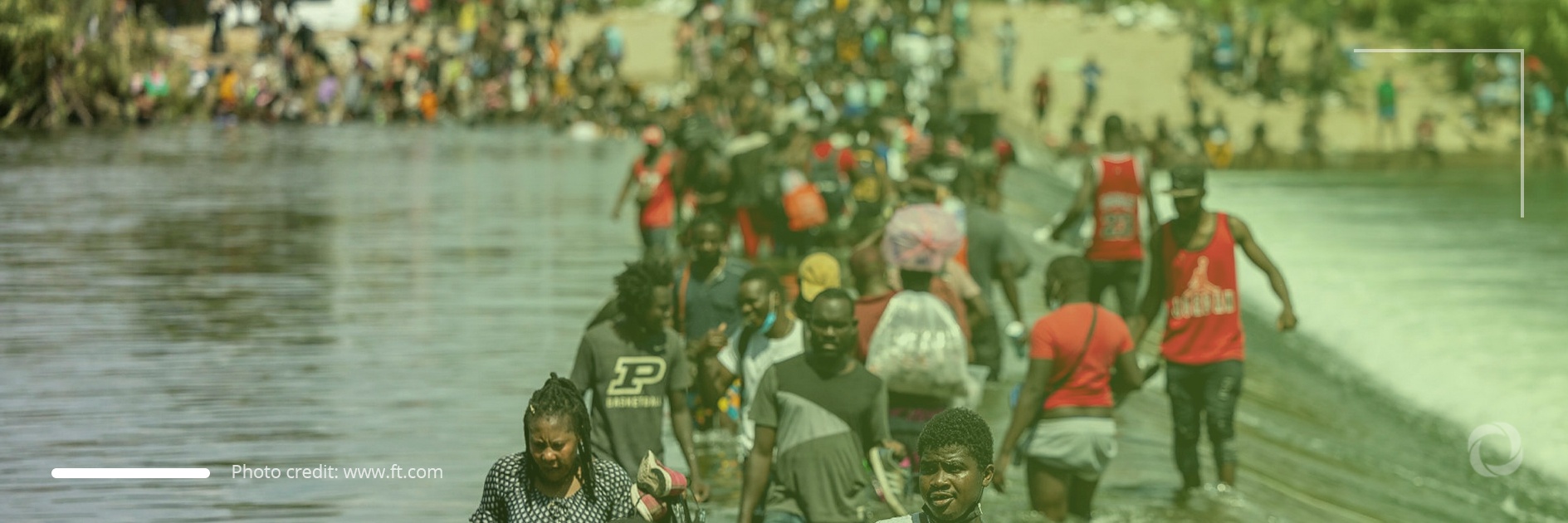
Almost 8,000 Haitian refugees have been expelled from the U.S. in less than a month despite the fact that the country has been facing a humanitarian crisis. The deportation took place on the basis of a much-criticized policy promoted by the previous Trump administration, known as Title 24, under which refugees have been denied asylum for public health reasons, in particular the COVID-19 pandemic.
Although during his election campaign, US President Joe Biden announced he would introduce a more liberal migration policy than his predecessor, the US administration nevertheless expelled thousands to Haiti including those people who had not actually been to that country for years as they had lived in other Latin American countries.
Outrage at US move
Biden’s policy has been challenged by advocacy groups that have now filed a case against it. Furthermore, Daniel Foote, the US special envoy to Haiti, quit his post as a token of his disagreement over the decision which he described as “inhumane and counterproductive”. For his part, the Senior Legal Advisor to the State Department, Harold Hongju Koh, who also resigned due to the decision, said that it “violate[s] our legal obligation[s] under the 1951 UN Convention Relating to the Status of Refugees and the UN Convention Against Torture and Other Cruel, Inhuman or Degrading Treatment or Punishment”.
Situation in Haiti
Poverty, political turmoil, and severe natural disasters have forced thousands of Haitians to flee their country which is the poorest in Latin America and the Caribbean. Last August, Haiti was struck by a 7.2 magnitude earthquake that killed 2,200 people. Many others lost everything they had and humanitarian assistance was insufficient to meet their needs. Haiti is also struggling with corruption, waves of violence that impact civilians, and gang activity that constantly endangers the lives of Haitians. The crisis has been worsened even further by political turmoil since President Jovenel Moise was assassinated on7 July.
Haitians’ route to US
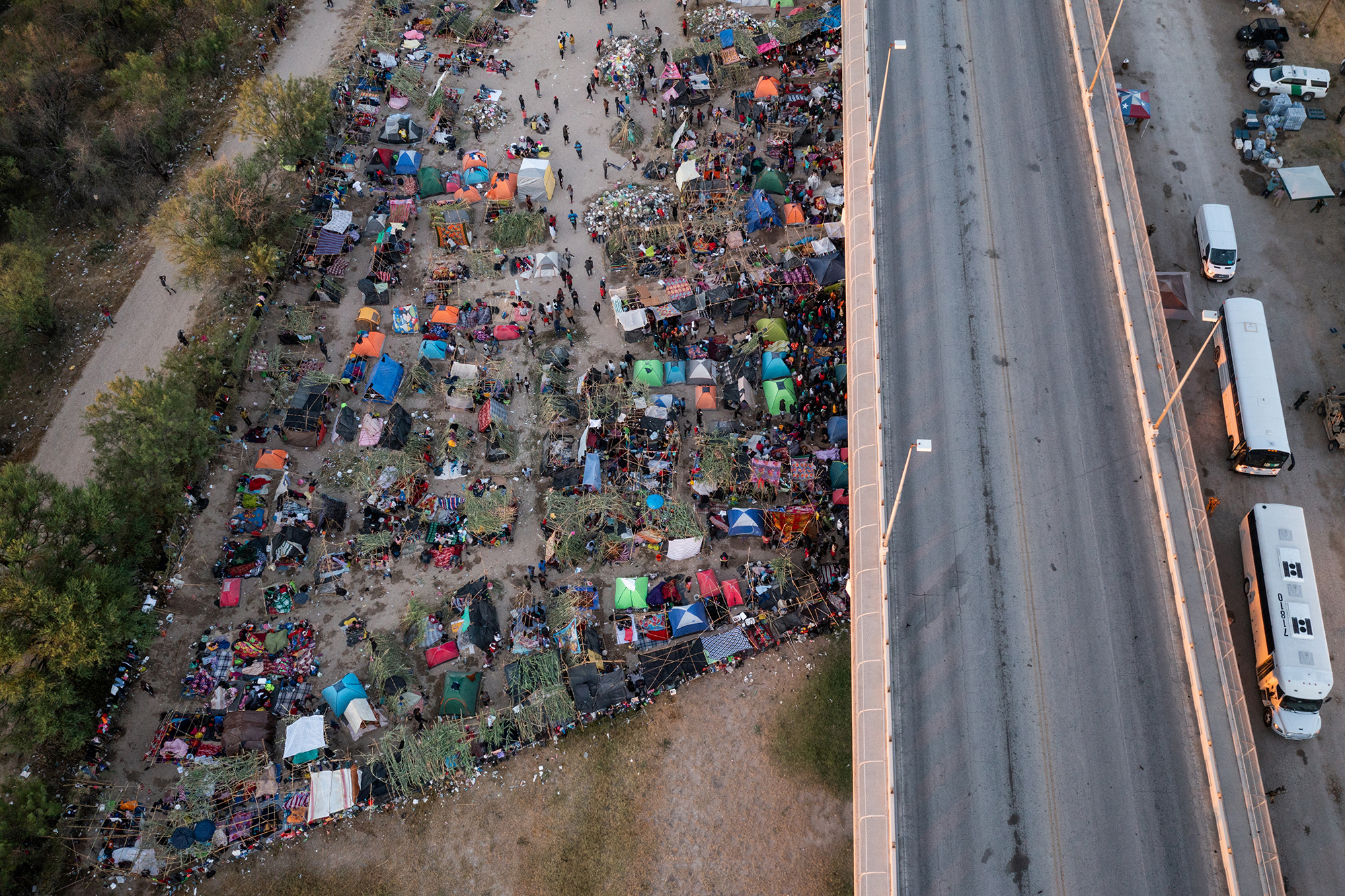
Apart from coming from Haiti itself, many Haitians reached the US border from other Latin American countries such as Brazil, Chile, and Panama where they had migrated after the devastating earthquake in 2010. Subsequently, these countries introduced restrictive immigration measures that forced many refugees to make their way to the US border.
According to Jessica Bolter from Washington DC-based think-tank, the Migration Policy Institute, Haitian immigrants very often experience systemic racism and discrimination and thus face obstacles in accessing work, education, and housing.
“They also face language and work authorization barriers, like in Chile, a country that opened its doors to many Haitians after the 2010 earthquake, visas are closely tied to having a job offer. It’s been really difficult for Haitian immigrants to find jobs in Chile. Some of this is due to the language barriers, some of this is because a lot have ended up falling into the irregular status and so once they’re in irregular status it’s hard to get someone to offer them a job,” she said.
How many Haitians have been expelled?
According to the International Organization for Migration, 7,621 Haitians were expelled between 19 September and 9 October by charter flights and over half of these were women and children. Furthermore, UNICEF has assessed that 170 Haitian children were expelled from the US and Cuba on one day alone on 9th October. Seven flights from Cuba and one from the US took 73 girls and 96 boys to Haiti with 80% of those children being under five.
“When I was at the airport, I saw children who were malnourished or had skin diseases. They will most probably go back to the south where most basic services for children such as education and health services are still largely disrupted almost two months after the earthquake. More solidarity is needed to support the migrant families who lost all their belongings and need to rebuild their lives in Haiti,” said Bruno Maes, the UNICEF Representative in Haiti.