
Add us as your preferred source on Google to see more of our content in Search.
 Add to Preferred Sources
Millions of people across the Pacific stand to benefit from a co-investment approach to overcoming a massive infrastructure gap that could also yield significant capital inflows, jobs, and more sustainable economic growth.
A guide released by the Pacific Islands Investment Forum (PIIF) and International Finance Corporation (IFC) identifies options for establishing a co-investment function that will help direct long-term capital into attractive projects, boosting investment in industries, services, and infrastructure across the Pacific. The co-investment approach will enable PIIF – a regional network of 18 provident, superannuation, trust, and sovereign wealth funds from 12 countries with approximately US$8 billion under management – to channel capital within the Pacific region and provide access to high-quality cross border investments that would have been out of reach for most member states.
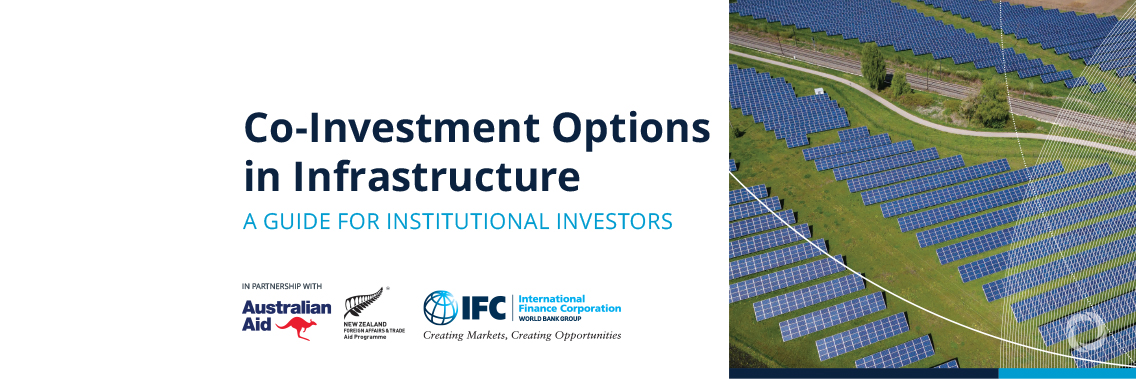
Co-Investment Options in Infrastructure: A Guide for Institutional Investors draws on global examples, including IFC’s Managed Co-Lending Portfolio Program, detailing different ways long-term investors make collaboration and mobilization work in the international investment landscape. Once a platform is in place, it could facilitate new investment opportunities. The guide identifies six co-investment options, weighing up elements including the level of control by investors, flexibility, and barriers to setting them up.
“Our members have an important shared objective: to channel their capital within the Pacific region, enabling economic development opportunities for member countries, in the spirit of improving regional collaboration,” said PIIF Chairman and Samoa National Provident Fund Chief Executive Pauli Prince Suhren.
“Investments in industries, services, and infrastructure represent a huge opportunity for our members. There is a clear need for capital as well as a steady stream of opportunities, even more so in the wake of increased fiscal constraints due to the COVID-19 pandemic.”
Pacific nations face many challenges in the delivery of essential infrastructure in sectors such as sustainable energy, health, transport, logistics, and telecommunications. It’s estimated that from 2016 through to 2030, US$46 billion in investment is needed to overcome the region’s infrastructure deficit.
The release of this guide comes amid a growing recognition internationally of the need to reduce emissions and avert a climate disaster. Pacific nations are among those most at threat from harmful climate change. The co-investment model offers a conduit for sustainable investment in climate-smart infrastructure and an opportunity to crowd investors into green solutions.
“This vital guide comes at a time our work to mobilize long-term private capital is even more critical,” said Thomas Jacobs, IFC Country Manager for Australia, New Zealand, Papua New Guinea, and the Pacific Islands. “Amid the global shock caused by the pandemic, there has been a heavy human toll and economic impact on the Pacific region. Addressing the need for better infrastructure and helping to stimulate a sustainable economic recovery is crucial to helping people across the region overcome these setbacks and the profound challenge that comes from climate change.”
Across the Pacific, investment fund members of PIIF play critical roles in financial systems. They strive for the best returns for their investors and their performance is of paramount importance to the livelihoods and wellbeing of people across the region.