

Add us as your preferred source on Google to see more of our content in Search.
 Add to Preferred Sources
Coal-generated air pollution kills more than 5,000 South Africans a year, including youths, with thousands of families also having children suffering from asthma caused by the same industry. Nevertheless, coal continues to be the main source of income for many.
The coal belt extends from the western south to the eastern south of the country and includes the majority of coal reserves, i.e. mines, and is home to 3.6 million people.
 Pollution and health problems
The sky over the South African coal belt is very often covered by smog and coal ash from which the smell of sulfur pervades. The zone on the east of Johannesburg is one of the most polluted in the world, competing only with Beijing and New Delhi.
According to Mike Holland, a British expert dealing with air pollution, the health impact of emissions coming from South Africa’s state-run energy company, Eskom, costs the country about US$2.37 billion a year.
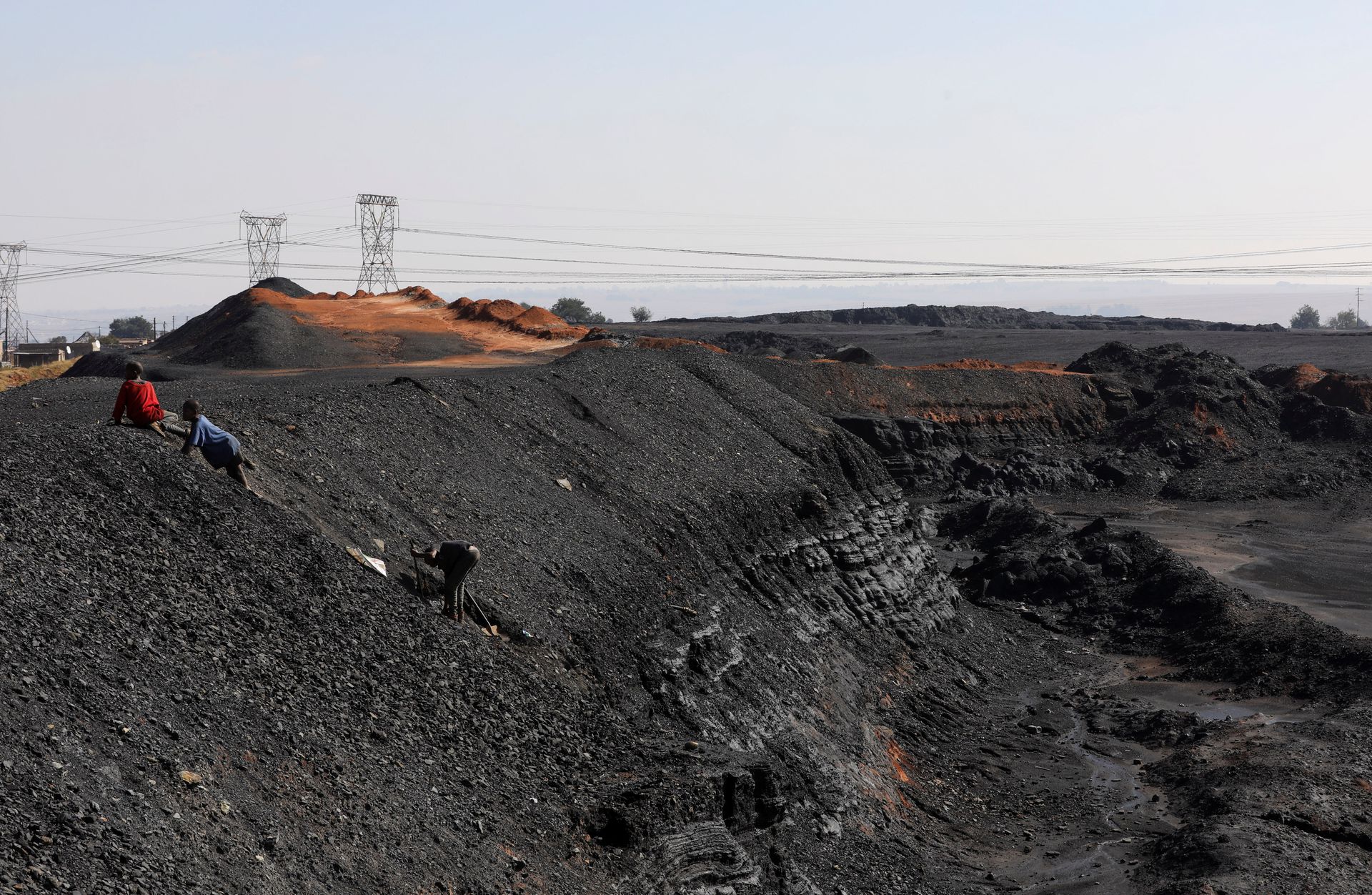
Despite the fact that coal is the main source of energy in South Africa, the coal belt region is very often affected by blackouts, and power cuts have become routine, making people’s lives become increasingly difficult. Moreover, with their health adversely affected, they are forced to pay additional costs for medical care. As many of these people earn their living working in the coal industry, they are afraid of mines and coal-related companies shutting down.
 Coal dependence and coal policy
South Africa is highly reliant on coal as it generates 80% of its electric energy from this fuel. It has the world’s fifth-largest coal industry, employing 90,000 miners. The coal industry also supplies the feedstock to produce liquid fuel for vehicles to about a quarter of the country.
Air temperature in the country has been rising twice as fast as on average, causing desertification and water shortages that are expected to become more frequent in the future.
At the latest biggest climate event, COP26, South African President, Cyril Ramaphosa, committed to phase out coal within the next 15 years, shutting down all coal-fired power plants with financial support from wealthy nations. He called the deal a “watershed moment”. South Africa will receive US$8.5 billion from the United States, Britain, France, Germany, and the European Union to ensure the transition from coal to renewable energy sources. Eskom is planning to develop solar capacity to fulfill its commitment.