

Add us as your preferred source on Google to see more of our content in Search.
 Add to Preferred Sources
While during climate summit COP26 over 100 countries committed to put an end to deforestation by 2030, this is still a vital problem which adds to global warming with agriculture and mining being the main contributors.
The range of deforestation
According to the United Nations Organization (UN), 420 million hectares of forest have been lost since 1990 which has added to the problem of global warming as trees absorb the carbon dioxide produced by humans. Trees have been lost mainly due to agricultural activity. In 2014, the UN announced a global agreement that aimed to cut deforestation in half by 2020 but no significant drop in deforestation has been recorded since then.
See also: Human-caused deforestation becomes uncontrollable. Learn the consequences
Deforestation in Brazil

Brazil, which is home to 60% of the biggest rainforest in the world – the Amazon, is also the world leader in terms of deforestation. The Amazon until recently was able to absorb human-produced carbon dioxide. As deforestation has continued, the forest now emits more CO2 than it absorbs. According to data from the Brazilian National Space Research Institute (INPE), the level of deforestation hit a record high in 2004 before it began to drop up until 2015 but since then it has been rising, reaching a record rate within the last decade in 2020. Recent data indicates that as much as 94% of deforestation in Brazil could be illegal. However, it is not only Brazil that is responsible for the deforestation of the Amazon, as neighboring Bolivia is also cutting down the forest.
Deforestation in Indonesia
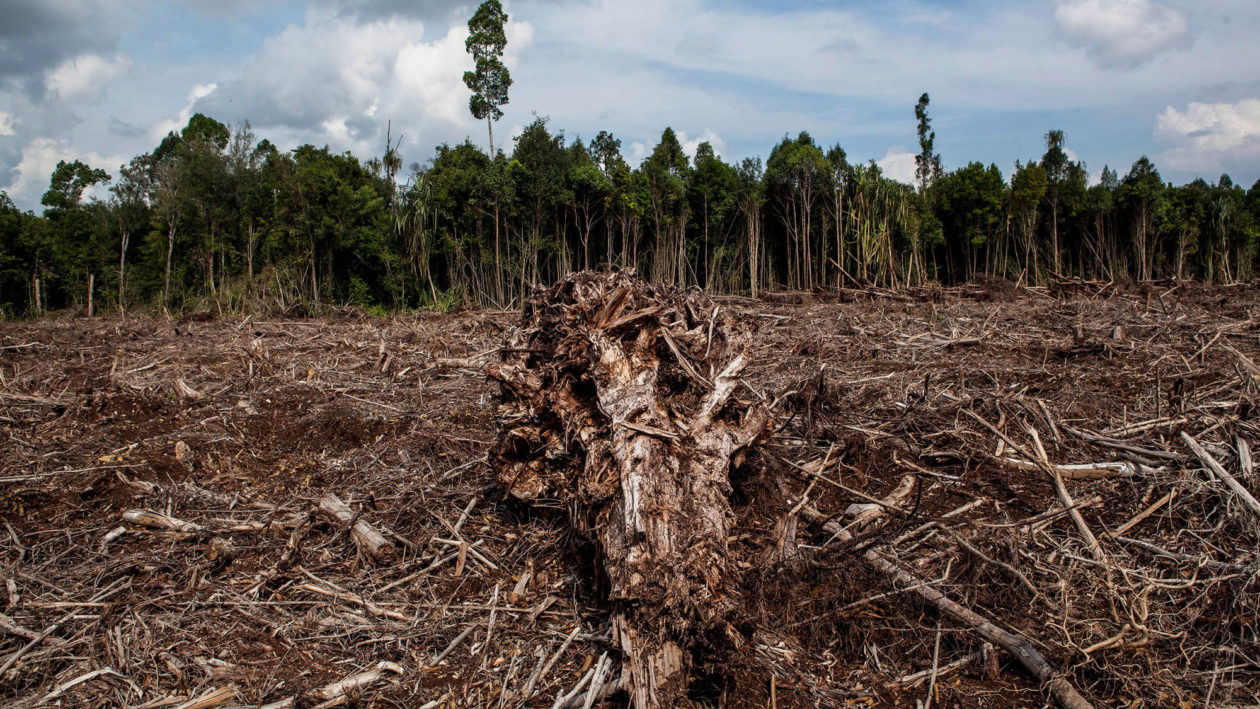
Indonesia comes second in the world ranking of deforestation. The Global Forest Watch estimates that between 2002 and 2020, 9.75 million hectares of forest were cut down with the trees mainly being logged to make way for oil palm plantations which are a significant source of income for Indonesia. In 2014, President Joko Widodo promised to curb deforestation and since 2016 the number of trees cut down has started to drop. In 2019, the President issued a moratorium on new forest clearance for three years which covered 66 million hectares of primary forest and peatland but this year he extended this indefinitely.
Deforestation in Congo Basin
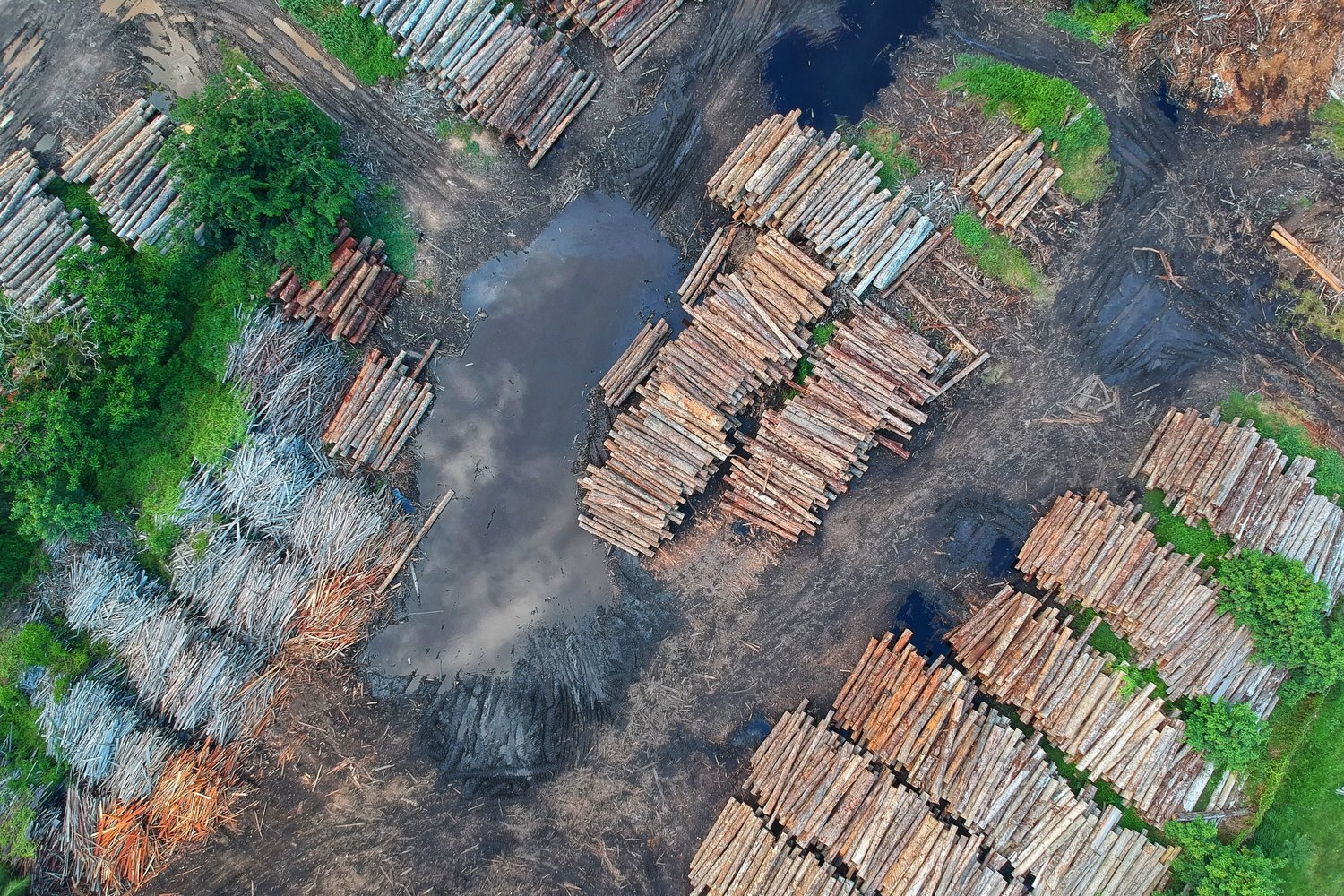
The Congo forest basin is the second-largest rainforest in the world after the Amazon and is mostly located in the Democratic Republic of Congo. Within the last five years, the forest has lost over half a million hectares and deforestation has been increasing since 2016. Trees are cut for charcoal and fuel, urban expansion, and mining with deforestation being a threat for small-scale subsistence agriculture. The US and EU banned illegal timber imports from the Congo DRC basin but this is still being exported. While President Felix Tshisekedi required an audit of permits to harvest public forest due to corruption allegations in October, he had previously announced lifting the ban on new logging operations thus, as environmentalists indicate, his policy over the forest lacks consistency.