
Add us as your preferred source on Google to see more of our content in Search.
 Add to Preferred Sources
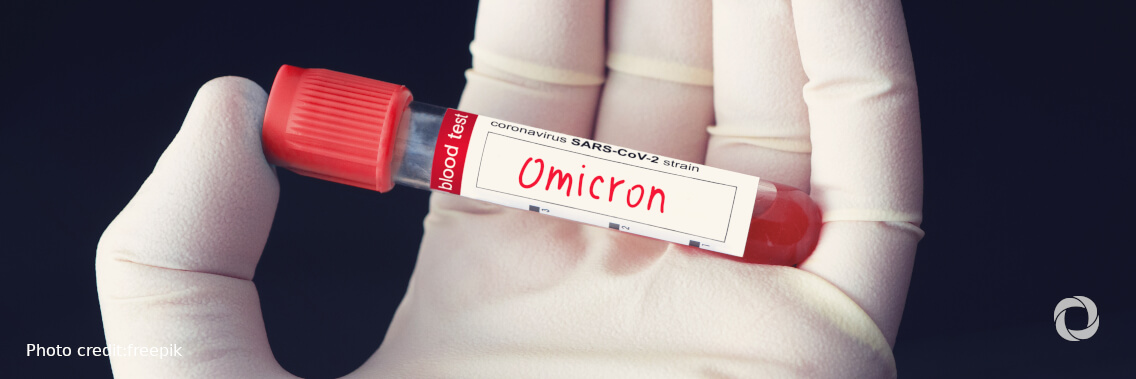
The emergence of the threatening new Omicron variant shows how important it is for the world to end the current “cycle of panic and neglect” over the COVID-19 pandemic, said the head of the World Health Organization (WHO).
Tedros Adhanom Ghebreyesus, was addressing the start of a special three-day meeting of the organisation’s governing body in Geneva, amidst a global alert over the new strain, arguing that greater international cooperation is essential to preserve “hard-won gains” against the virus.
The World Health Assembly meeting was convened to decide on the issue of a so-called “pandemic treaty”.
Tedros said the world has not responded accordingly to COVID-19, and vaccine inequity, among other challenges, has facilitated the appearance of new highly mutated variants such as Omicron.
“Omicron demonstrates just why the world needs a new accord on pandemics: our current system disincentivizes countries from alerting others to threats that will inevitably land on their shores”, said the WHO Director-General.
Praise for South Africa alert
Tedros underscored that South Africa – where Omicron was first identified just days ago – should be thanked for detecting, sequencing, and reporting the new variant, and not penalized, referring to the current travel bans many countries are imposing on the African nation and its neighbours.
The UN Secretary-General also expressed his deep concern for the isolation now being felt by southern African countries due to the new restrictions imposed on travel from the region, by dozens of nations across the world.
“The people of Africa cannot be blamed for the immorally low level of vaccinations available in Africa – and they should not be penalized for identifying and sharing crucial science and health information with the world”, said António Guterres, in a strongly-worded statement.
The UN health agency has asked governments to take science-based decisions regarding travel bans. Mr. Guterres said it was important to take all appropriate measures to allow for travel and “economic engagement”.
Prevent history from repeating itself
The likelihood of the potential further spread of Omicron at the global level has been defined as “very high” by WHO.
Dr. Tedros reminded that although scientists still don’t know for certain if the variant is associated with more risk of transmission and severe disease, or if it has any impact on the effectiveness of vaccines, the world shouldn’t need another ‘wake-up call’.
“Omicron’s very emergence is another reminder that although many of us might think we are done with COVID-19, it is not done with us. We are living through a cycle of panic and neglect. Hard-won gains could vanish in an instant. Our most immediate task, therefore, is to end this pandemic”, he highlighted.
The WHO chief added that our ability to end the current pandemic is a ‘test for our collective ability to prevent and respond effectively to future pandemics’.
“The same principles apply: Courageous and compassionate leadership; Fidelity to science; Generosity in sharing the fruits of research; And an unshakeable commitment to equity and solidarity. If we cannot apply those principles now to tame COVID-19, how can we hope to prevent history repeating?”, he asked delegates from more than 190 countries.
More than 80% of the world’s vaccines have gone to G20 countries while low-income countries, most of them in Africa, have received just 0.6% of all vaccines, Dr. Tedros emphasised.
The special World Health Assembly session runs until December 1, and by the end of the three-day virtual meeting, countries will decide if there is political will to design a new international framework to respond to future pandemics.