
Add us as your preferred source on Google to see more of our content in Search.
 Add to Preferred Sources
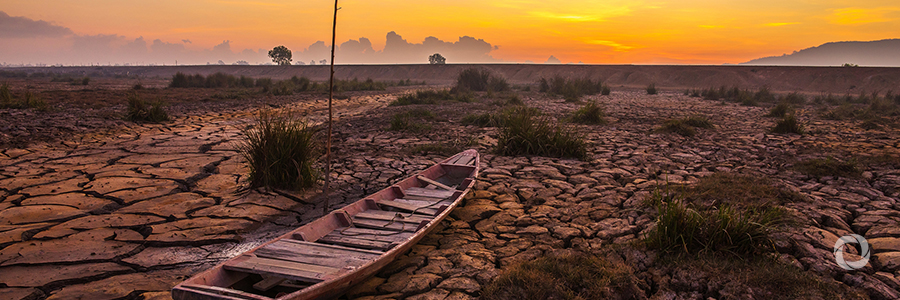
The world is seeing its worst humanitarian crisis since 1945. Right now, over 20 million people are at risk of starvation.
The current food crisis can very easily be linked to changes in climate and a lack of resilient systems that can withstand drought, flood, changing rains and other impacts that are leaving people without crops, without money and without food to feed their families.
Immediate humanitarian aid is needed for hard-hit nations like Nigeria, Somalia, South Sudan and Yemen. But the work does not stop there. We need to continue our efforts to build more climate-resilient nations, where changes in climate don’t spell disaster and leave children starving, where proactive – rather than reactive – steps are taken to support vulnerable people in breaking the cycle of poverty, and where leaders and institutions have the capacity, skills, training and resources they need to make sure humanitarian crises like this do not repeat themselves.
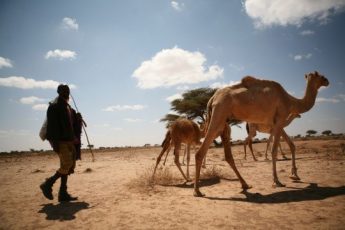
With funding from the GEF Least Developed Countries Fund, the Government of Ethiopia is also ready to launch a project to mainstream climate risks into national and sub-national planning processes. This will increase the resilience of local communities across the Ethiopian highlands to climate change.
An estimated 5.6 million people are in need of immediate relief in Ethiopia, where a prolonged drought, exacerbated by El Niño, has killed hundreds of thousands of animals, which pastoralists depend on to feed their families and protect their futures.
The future of climate change adaptation will require innovative, ground-breaking projects that connect ecosystems with economies, donor-support vehicles with private-sector finance, innovation with country-driven approaches, adaptation with mitigation, and disaster risk reduction strategies with at-risk communities.