
Add us as your preferred source on Google to see more of our content in Search.
 Add to Preferred Sources
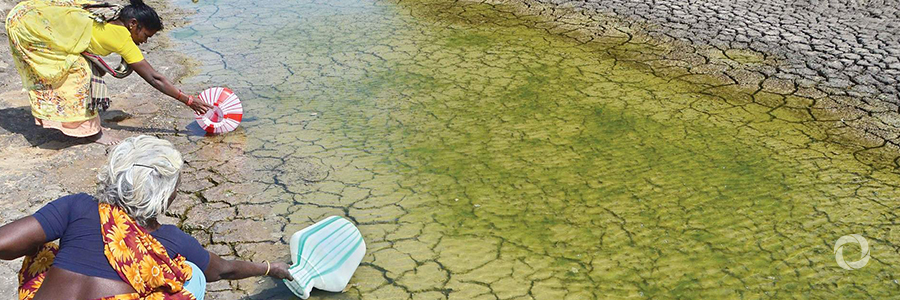
It is well known that women and men adapt differently to climate change. There is evidence showing that men have certain advantages in coping with climate shocks and women are often disproportionately vulnerable to the effects of climate change. Moreover, climate change can exacerbate gender disparities.
However, gender-sensitive climate change adaptation and mitigation programs are showing positive results, proving that opportunities to create more climate-resilient socio-ecological systems exist.
The report identifies key gender issues that affect climate resilience and provides recommendations for the development of climate resilience projects that engage women as agents of climate resilience. The report also provides a toolkit on how to integrate gender considerations in climate resilience projects. The report also includes a case study of the ways gender intersects with climate resilience in the Gulf of Montijo, Panama.
The PROADAPT facility, managed by the Inter-American Development Bank in partnership with the Nordic Development Fund, pilots and supports the development of new and innovative methodologies, tools, and business models to help micro, small and medium-sized enterprises in Latin America and the Caribbean increase their own climate resilience and to seize related business opportunities.
See full report here.
Original source: NDF
Published on 1 December 2017