
Tough, urgent choices for African leaders as they launch “Year of Nutrition” to help millions of people facing hunger
Add us as your preferred source on Google to see more of our content in Search.
 Add to Preferred Sources
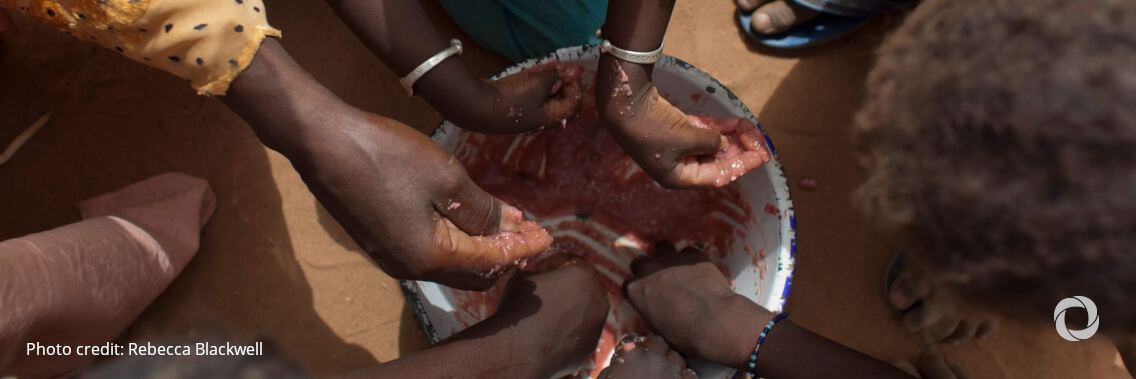
African governments should boost funding for agriculture, address peace and security challenges, and do more to genuinely tackle inequality. African Union leaders face one of their most important summits is launching a “year of nutrition” amid worsening levels of hunger and malnutrition that are now threatening sustainable development across the entire continent.
One in five people (282m) is now under-nourished and 93 million in 36 African countries are suffering extreme levels of hunger. Women and children are hit hardest. In Sub-Saharan Africa, one in three children under five is stunted by chronic undernutrition while two out of five women of childbearing age are anemic because of poor diets. The UN estimates that food prices in Sub-Saharan Africa are now 30-40% higher than the rest of the world, taking into account comparative levels of GDP per capita.
“The triple threat of the climate crisis, COVID-19, and conflict will require an extraordinary response from African leaders. Many countries have already taken important steps, increasing investment in healthcare, providing shock-responsive social protection systems, and empowering local, women-led, peacebuilding initiatives. However, such actions are still too few and far between,” said Oxfam’s Pan-African Program Director Peter Kamalingin.
“People are having to skip meals to feed their children, selling livestock and other assets, begging, pulling children out of school, or harvesting immature crops. Over three million people in Somalia have recently migrated, in large part because of hunger, while millions of households in pastoralist communities in Chad, Benin, Niger, Mali, and Mauritania say they are having to sell more animals than they otherwise would to pay for more food”, said Kamalingin.
Historical injustices, inequality, and wealth extraction have left generations of Africans poor and national economies indebted. Africa has stood last in line for Covid vaccines as the rich world-hogged supplies. The continent has also been hit hardest by climate change and is already heating at a faster rate than the global average of 1.2 degrees.
“While the deck seems stacked against Africa, there is a lot more than African leaders can do to improve food security. Instead of allocating 15% of national budgets to the health sector and 10% to agriculture, military spending across Africa rose by over 5% in 2020. African leaders must prioritize food, trade, and medicines over bullets, guns, and bombs” said Kamalingin.
Twenty African countries are facing insecurity and conflict including seven coups in the last year alone. In Ethiopia—the home of the AU—conflict has contributed to catastrophic levels of food insecurity in the Tigray, Amhara, and Afar regions.
“AU leaders must make better, more effective use of all existing mechanisms they have to prevent and resolve conflicts,” said Kamalingin.
Here are how regions have been impacted:
Farmers and pastoralists have been particularly hit by food insecurity. Droughts on the continent have decimated thousands of hectares of crops and depleted livestock, often a primary source of income. COVID-19 restrictions have caused delays in the trade of critical agricultural inputs like fertilizer.
Jean-Paul Ndopoye, president of the Union des Riziculteurs de Paoua (URP) in the Central African Republic told Oxfam: “Our major problem is the sale of farm products. With the security crisis and the calamitous state of the roads, we can no longer travel to sell these products in neighboring towns and countries such as Chad. Our wish is to be connected to profitable marketing channels to sell all these products.”
Achta Bintou, who was displaced from her home and now lives in the Amma site in Lake Chad told Oxfam: “The crisis has completely changed our lives. We had to move from Boma to the Amma site where we live in a makeshift shelter that barely hides the sun. Our water is not drinkable and we cannot get enough to eat. Imagine your diet dropping from three meals a day to one.”