
Add us as your preferred source on Google to see more of our content in Search.
 Add to Preferred Sources
At the first-ever European Humanitarian Forum starting in Brussels, EU leaders have the opportunity to showcase that it is possible to rally collective responses to humanitarian crises wherever they occur.
Ukraine is the latest terrifying conflict on a long list of emergencies that need an immediately scaled-up humanitarian response and conflict resolution efforts. Protracted crises in Syria, Yemen, the Horn of Africa, and the Sahel are worsening while the horrors in Ukraine are getting attention. Humanitarian relief can help mitigate the effects of these crises on vulnerable communities, but ultimately, inclusive political solutions are needed to end them.
Leaders need to break the deadlock of indifference towards conflicts in other parts of the world. The speed at which the EU, the United Nations, and other international partners acted in response to the war in Ukraine should trigger the same urgency for solutions to the neglected crises of the time. Widespread condemnation, appeals for a cessation of conflict, rapidly mobilizing funding, and opening borders to citizens seeking protection, must be replicated in other crises.
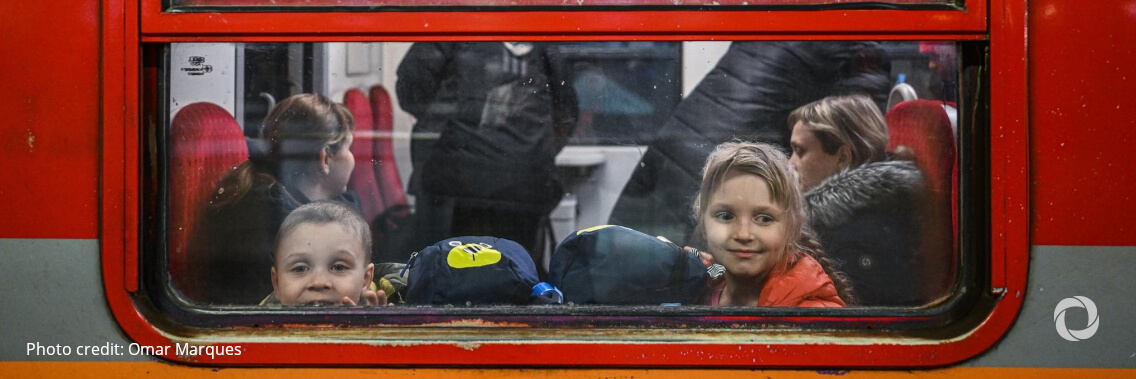
It is the first time Europe has witnessed mass flight at such speed at its doorsteps. But proximity does not define greater responsibility under international refugee law. The world expects the EU to lead by example and pave the way to revise existing protection mechanisms, guided by a humanitarian imperative so that all people can be equally protected – regardless of their passports.
The EU and UN should immediately convene a European Summit where heads of governments agree on real responsibility-sharing when it comes to refugees fleeing Ukraine and elsewhere. The summit should also address effective refugee resettlement across Europe, providing long-term aid inside Ukraine, and diplomacy to pave the wave for a ceasefire and peace talks.