
More than 400,000 Cameroonians receive World Bank support to mitigate impacts of food and nutrition insecurity
Add us as your preferred source on Google to see more of our content in Search.
 Add to Preferred Sources
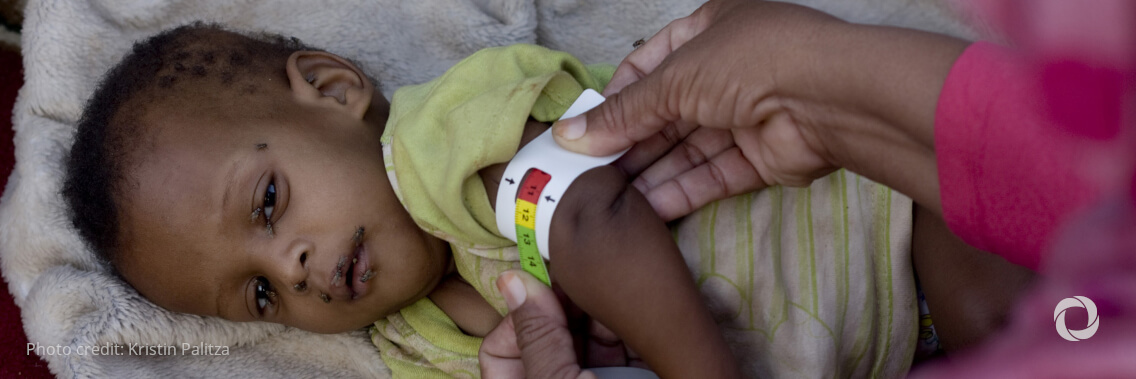
The World Bank approved credit from the International Development Associated (IDA) in the amount of $100 million, of which $50 million is from the Crisis Response Window, to support Cameroon’s efforts to strengthen food and nutrition security and increase resilience to climate shocks of targeted households and producers.
The project will benefit more than 260,000 food insecure and vulnerable people and 159,000 farmers, pastoralists, and fishermen from crisis-affected communities based in the Far North, North, Northwest, Southwest, Adamawa, and East regions. In addition, the project will help increase productivity and access to markets in the agriculture, livestock, and fisheries sectors.
“We know that agriculture plays a key role in Cameroon’s employment and employs nearly 43% of the workforce. But with the current climate conditions, about 2 million people, 9 percent of Cameroon’s population, are living in drought-affected areas, which means that about 8 percent of GDP contribution from agricultural production is compromised annually,” said Abdoulaye Seck, World Bank Country Director for Cameroon. “In this context, it is also important that we focus on activities that will maximize our impact and think of activities that will be anchored in a complementary way where beneficiaries will progressively graduate to resilience-building activities.”
The Emergency Project to Combat the Food Crisis in Cameroon seeks specifically to support early shock-response food and nutrition stabilization; strengthen climate-smart production of smallholders, and support the Government’s food security crisis monitoring and coordination capacity including through innovative digital and information systems. The project aims to build long-term economic, climate, and community resilience.