
IFRC urges governments and humanitarian partners to protect lives ahead of an active hurricane season in the Americas
Add us as your preferred source on Google to see more of our content in Search.
 Add to Preferred Sources
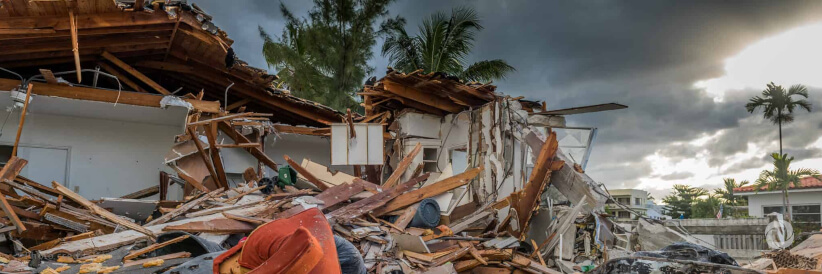
The International Federation of Red Cross and Red Crescent Societies (IFRC) is ramping up preparedness actions ahead of another above-average active Hurricane Season in the Atlantic Ocean. The IFRC urges governments and humanitarian stakeholders to protect lives by investing in early warning systems, forecast-based solutions, and coordinated disaster response plans.
From 1 June to 30 November 2022, North America, Central America, and the Caribbean expect between 14 to 21 named storms, of which six to 10 could become hurricanes, including three to six hurricanes of category three or higher. The IFRC and its network are working to ensure communities are better prepared to cope with the effects of heavy rains, landslides, and floods that these weather events may cause during the next six months.
Martha Keays, IFRC Regional Director for the Americas, said: “The region may face up to six major hurricanes, but it takes just one single storm to destroy communities that are already grappling with poverty, inequality, and the devastating effects of the COVID-19 pandemic. Therefore, hundreds of local Red Cross teams in more than 20 countries are sharing early warning messages and coordinating preparedness measures with local governments and community leaders. In parallel, the IFRC is combining weather forecasts with risk analysis to take early actions ahead of hurricanes rather than simply responding to events. This approach allows us to anticipate disasters, decrease their impact as much as possible, and prevent suffering and the loss of lives and livelihoods.”
The IFRC is paying special attention to the needs of women, children, migrants, and returnees, who are suffering from overlapping crises in Central America. This region is still recovering from the pandemic and hurricanes Eta and Iota, which left 1.5 million people displaced in Nicaragua, Honduras, and Guatemala alone.
In Colombia, Honduras, Guatemala, and Haiti, vulnerable communities exposed to hurricanes and storms are also at the highest risk of food insecurity due to the current global food shortage crisis.
In this challenging scenario, the IFRC is advocating for regulatory frameworks that favor the agile delivery of humanitarian aid to areas affected by disasters. It has also prepositioned humanitarian goods in Panama, Guatemala, Honduras, and across the Caribbean to provide an immediate response to the humanitarian needs of up to 60,000 people in both the Pacific and Atlantic coastal zones.
According to the Red Cross Red Crescent Climate Center, the 2022 hurricane season in the Atlantic, and the Caribbean Sea is predicted to be more active than normal due to the influence of the La Niña weather pattern. This phenomenon is active for the third consecutive year and causes sea temperatures in this basin to be above average. This condition allows for more active development of hurricanes, as seen in 2020 and 2021.