
Add us as your preferred source on Google to see more of our content in Search.
 Add to Preferred Sources
A new report shows that nature-based solutions could reduce the intensity of climate and weather-related hazards by a staggering 26 per cent, in a world where over 3.3 billion people live in places that are highly vulnerable to climate change. The study from the International Federation of Red Cross and Red Crescent Societies (IFRC) and WWF highlights how the power of nature to protect people is being overlooked.
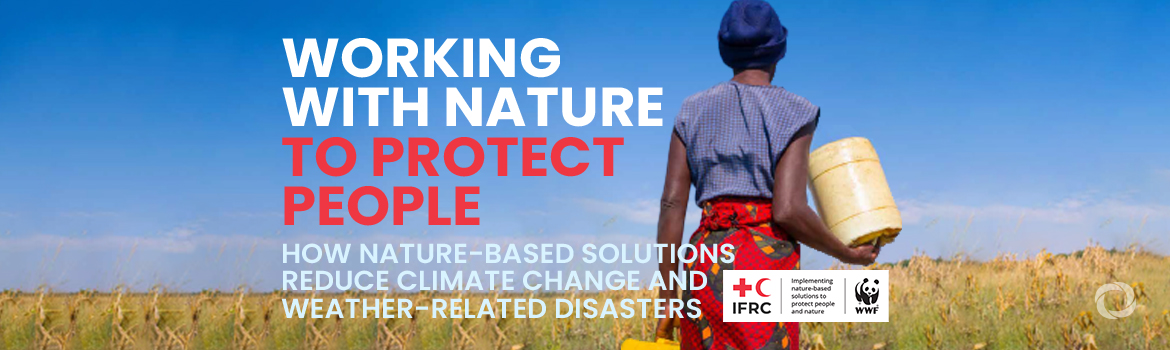
The report, “Working with Nature to Protect People: How Nature-based Solutions Reduce Climate Change and Weather-Related Disasters” shows how nature-based solutions can reduce the likelihood of climate change and weather-related events occurring. It sets out how lives can be saved by working with nature-based solutions to prevent exposure to these hazards and support vulnerable communities in adapting to and withstanding the dangers of a warming world. For the first time, the analysis from IFRC and WWF shows that these solutions could provide developing countries with valuable protection against the economic cost of climate change, saving at least US$ 104 billion in 2030 and US$ 393 billion in 2050.
New IFRC and @WWF research shows that we can protect people and reduce the intensity of climate hazards by protecting and restoring nature.
The study is the beginning of a partnership that makes the case of the importance of #NatureForPeople. https://t.co/OKKltdyWnq pic.twitter.com/2O6I9HCEST
— IFRC (@ifrc) June 1, 2022
Communities in every region of the world are already experiencing worsening and increasing impacts of climate change, with vulnerable people in low-resource countries the hardest hit, and women and children often the most exposed. From 2010 to 2019 alone, sudden-onset climate change and weather-related disasters killed more than 410,000 people.
Jagan Chapagain, IFRC Secretary-General said: “The climate crisis is driving multiple humanitarian crises around the world. Its impact on the lives and livelihoods of millions of people is intensifying. Greening nature; restoring forests, farmlands and wetlands are some of the best and most cost-effective ways to support vulnerable communities to adapt to risks and impacts they already face. Protecting nature will protect people.”
Marco Lambertini, Director-General of WWF, said: “Let’s be clear. If we don’t urgently scale up efforts to limit the impacts of a warming world, more lives will be lost, and economies and livelihoods affected. Nature is our greatest ally and also a crucial buffer against climate change. By restoring and protecting it, we can help ecosystems build resilience and continue to provide crucial services to humanity and in particular to the more vulnerable communities. Nature-based solutions play a key role in addressing climate change, but the potential benefits of these solutions drop as the global temperature rises – which is why every moment and decision matters to cut emissions and give us the best chance to build a safer and more equitable future.”
Examples of effective nature-based solutions that address climate change include:
- Conserving forests to restore degraded land, provide food, guard against droughts and protect communities from strong winds.
- Restoring healthy floodplains and wetlands to reduce the impact of floods and promote sustainable agriculture to protect against droughts.
- Restoring mangroves and coral reefs to provide a protective barrier from storms, soak up planet-warming carbon dioxide and provide food for local communities and habitats for marine life.
The report kickstarts a partnership between the IFRC and WWF. The report will be launched at Stockholm+50, a UN environmental meeting where leaders will reflect on 50 years of multilateral action. The partnership aims to raise awareness about nature-based solutions and encourage governments, communities, donors, practitioners, and the private sector to incorporate nature in their climate adaptation and disaster risk reduction planning.