
Add us as your preferred source on Google to see more of our content in Search.
 Add to Preferred Sources
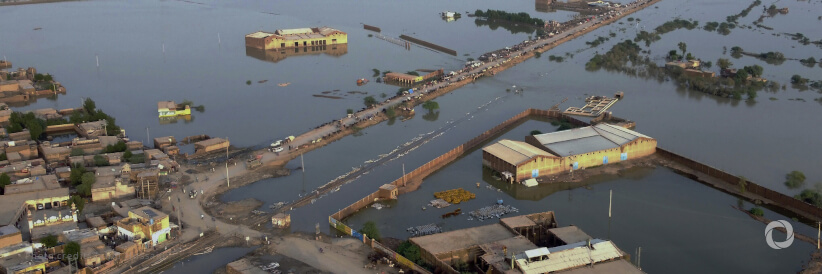
Millions of people struggling in the face of devastating floods across Pakistan need urgent global support, the International Federation of Red Cross Red Crescent Societies (IFRC) said.
An excess of one million homes has been damaged or destroyed by the massive floods, leaving 3.1 million people displaced and in severe danger. Over half a million people are reported putting up in relief camps around the country.
The worst flood in more than a decade has also swept away livestock and wiped out an estimated two million acres of food crops, with dire consequences for millions of people across the country.
The Chairman of Pakistan Red Crescent, Abrar ul Haq, said: “We are heartbroken by the tragic loss of so many lives, and the misery and hardship these floods have brought to people across Pakistan who are now trying to seek safety on what high ground they can find. Everywhere we look, homes, farmland, and critical infrastructure has been submerged. We are doing all they can to take people to safety and provide critical relief, but much more assistance is needed.”
In response to the flooding, and in anticipation of further impacts, the IFRC has launched an Emergency Appeal for 25 million Swiss Francs to fund relief and recovery efforts for an estimated 324,000 people. IFRC has already provided 481,000 Swiss francs to support local emergency efforts.
Asia Pacific Regional Director of IFRC Alexander Matheou said: “I visited house after house drenched in mud and water. Everything inside was destroyed. Mosquitos were everywhere. Some have managed to get their loved ones and livestock to higher ground. Many were not so lucky. Everyone we met said that most of all they need was food and water to survive, and then help to clean and repair their homes. This abnormal monsoon rainfall, nearly three times higher than usual, is yet another example of the devastating impact of climate change on some of the world’s poorest communities.”
The monsoon season, which runs from May to September, has hit the region particularly hard this year, with countries like Afghanistan, Nepal, India, and Bangladesh also experiencing heavy rainfall and flooding.