
African Climate Week 2022: In Central Africa, the African Development Bank collaborates with UN agencies to advance climate action
Add us as your preferred source on Google to see more of our content in Search.
 Add to Preferred Sources
The African Development Bank and several UN agencies – the UN Regional Office for Central Africa, the Educational, Scientific and Cultural Organization (UNESCO), and the UN Office on Drugs and Crime (UNODC) – are joining forces to advance climate action in Central Africa. This region is highly strategic in the fight against climate change as it is home to the Congo Basin rainforest, the second largest tropical forest on the planet and the only remaining net carbon sink on earth.
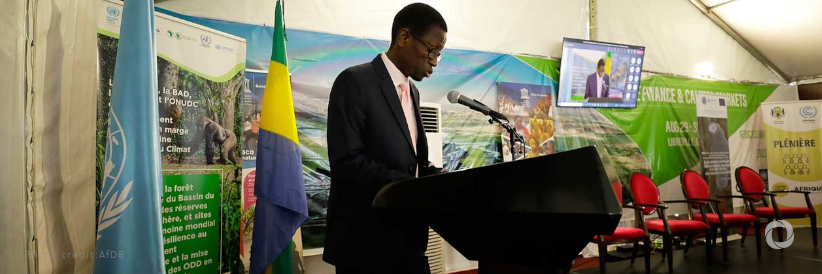
These organizations expressed their willingness to strengthen their partnership during a meeting on 1 September in Libreville, on the sidelines of the 2022 African Climate Week. The Week was held from 29 August-2 September on the theme: “Roles of the Congo Basin Rainforest, biosphere reserves, and World Heritage Sites in climate change resilience and the implementation of the Sustainable Development Goals in Central Africa.”
With the Conference of the Parties to the United Nations Framework Convention on Climate Change (COP27) in Egypt in November 2022 just weeks away, the Bank and its UN partner agencies are focusing on strengthening dialogue with various institutions to advance climate action, ensure the preservation of ecosystems and biodiversity, address social inequalities, and invest in development which is beneficial to humanity and the environment.
“This close cooperation between partners is crucial in helping Central African countries achieve their climate ambitions,” the Bank’s Resident Representative in Gabon, Nouridine Kane Dia, said.
The African Development Bank is supporting Central Africa’s efforts to promote sustainable development and resilience to climate change, especially in the Congo Basin, Dia said.
The Bank has, since 2008, financed the Congo Basin Ecosystems Conservation Support Program to the tune of EUR 45.7 million. Since 2018, it has also deployed the Biosphere and Heritage of Lake Chad project, which is the subject of exemplary cooperation with UNESCO. The project covers five countries, including three in Central Africa (Cameroon, Central African Republic, Chad), which it supports in creating three biosphere reserves and submitting a proposal for a transboundary world heritage site.
UNESCO and the Bank are also collaborating to establish an African Biosphere Reserve Fund (AFRIBIOFUND) to help African States implement the UN 2030 Agenda for Sustainable Development and the African Union’s Agenda 2063 strategic concept for socio-economic transformation.
Dia commended the excellent collaboration between the Bank and the UN system, especially UNESCO.
“I am sure this partnership will be strengthened in the coming years and we will be able to highlight its remarkable results,” he added.
UNESCO, in close collaboration with the African Development Bank, the United Nations Office in Central Africa, and UNODC, is committed to advancing climate action in Central Africa and reducing vulnerability to climate change.
The sites under UNESCO (World Heritage Sites, Biosphere Reserves, and World Geo Parks), currently standing at 2,058, cover 6% of the planet’s surface and are essential laboratories in the fight against climate change, Bandiougou Diawara said.