
Add us as your preferred source on Google to see more of our content in Search.
 Add to Preferred Sources
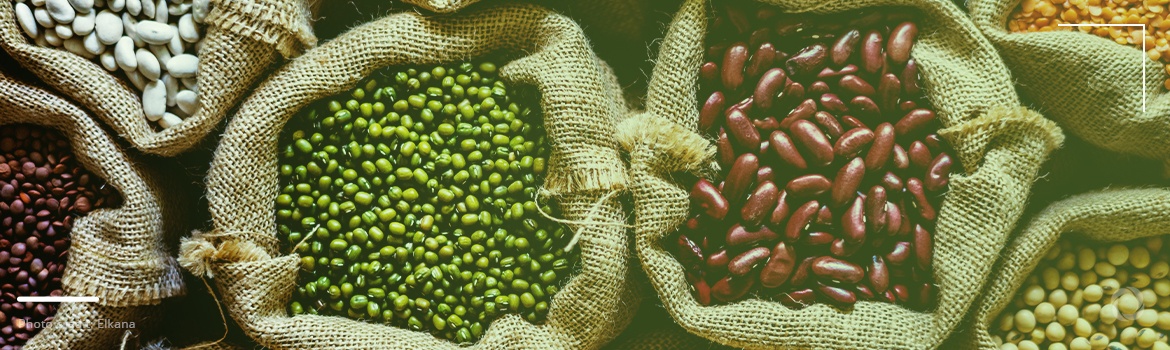
Since 2016, the world has been celebrating pulses, a special group of crops that improve soil fertility, increasing its productivity and yields. Natural green manure pulses also play a crucial role in ensuring nutrition security for people all over the world as they are a source of vegetal protein. The range of pulses of various forms and colours reflect the diversity of the world’s ecosystems and food cultures while helping communities to cope with climate change and preserve their livelihoods.
The Food and Agriculture Organization of the United Nations declared 2016 as the International Year of Pulses (IYP) which is now recognized as playing an important role in the achievement of the 2030 Agenda for Sustainable Development. Subsequently, the United Nations General Assembly (UNGA) designated 10 February as World Pulses Day (WPD).
What are pulses?
Pulses are a category of crops that includes legumes, peas, and plants of the bean family that typically produce a simple dry fruit that opens along a seam. Pulses include chickpeas, beans, lentils, alfalfa, peanuts and also clover.
Pulses for soil health
Pulses are a natural soil fertilizer. The symbiotic relationship with nitrogen-fixing bacteria in their root nodules is a typical feature of legumes, making them highly important for soil regeneration as this relationship allows the plant to support the bacteria in the soil that transforms nitrogen gas from the air into “fixed nitrogen” compounds, such as ammonia, which plants can use for their growth.
Biological nitrogen fixation is a sustainable alternative to synthetic N-fertilizers which are only partially absorbed by crops and can remain in soils and groundwater for decades. Nitrate leaching in water bodies is dangerous to humankind and its cost to human health has been estimated in some countries at about €320 billion, or sometimes up to €750 per person annually.
Moreover, this type of fertilizer requires large amounts of energy in its production and it is usually non-renewable energy from petrol that is used in the synthetise of nitrates.
See also: Energy-smart agricultural systems: decoupling oil from food production
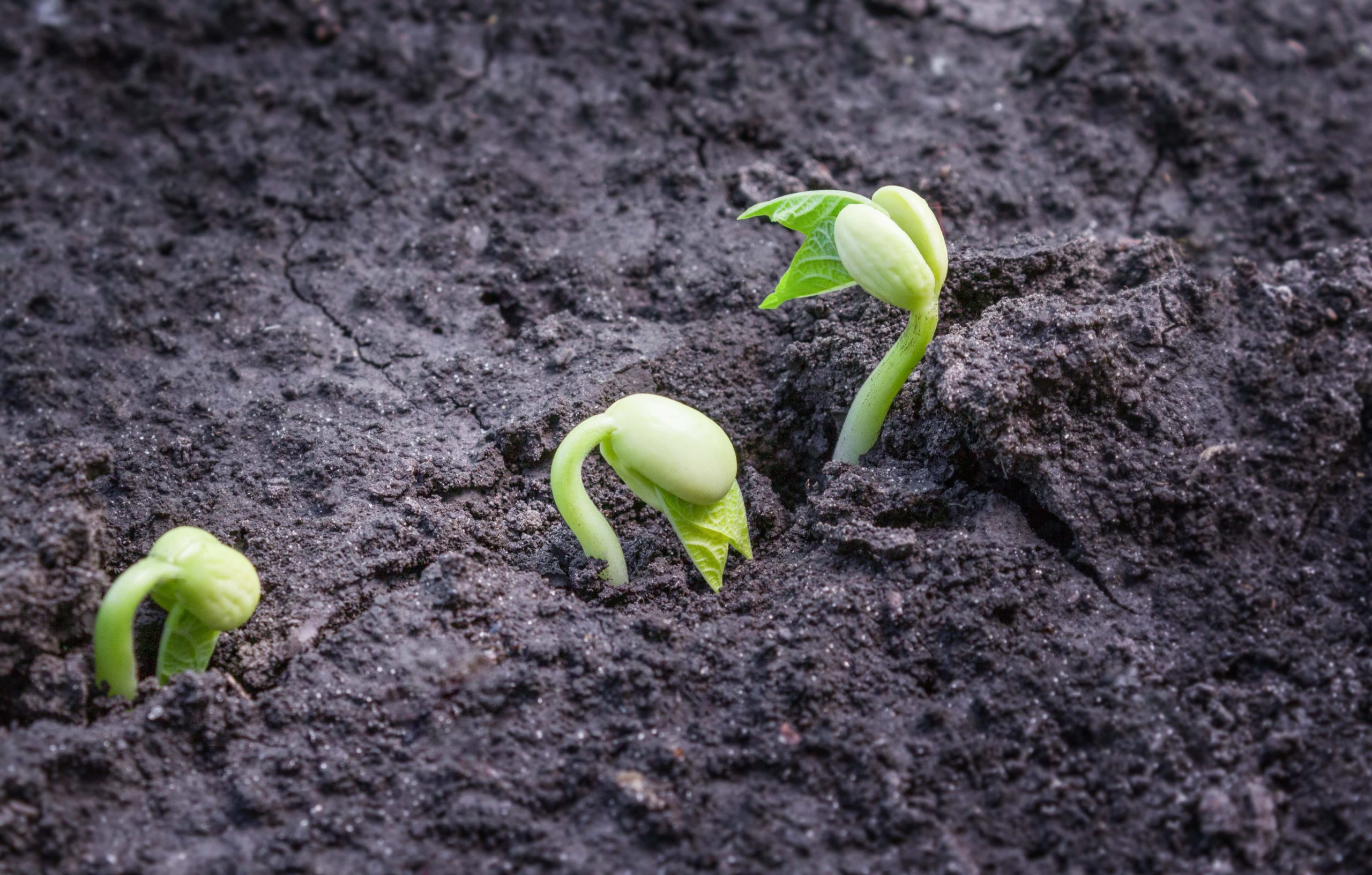
For this reason, pulses are essential to agriculture and form part of crop rotation where the cultivation of different crops on the same piece of land prevents soil exhaustion and helps to restore its nutrients and fertility in a more natural way while increasing yields:
“Crop rotation is the practice of planting different crops sequentially on the same plot of land to improve soil health, optimize nutrients in the soil, and combat pest and weed pressure.” (Rodale Institute)
Pulses for human health
Pulses help to avoid the health risks linked to nitrate use in agriculture, but they are also a source of nutritious food with high protein content and also fibre and micronutrients including folates, zinc, and iron.
Nitrogen is the basis of the nutrient that is essential to human health – protein. Legumes are therefore an important source of vegetal protein both for human and animals. Pulses allow the human diet to be diversified by enriching it with a variety of proteins, either by complementing a regular human diet containing meat or by being the only source of protein for vegetarians. As a matter of fact, pulses are one of the ten indicators within the Minimum Dietary Diversity for Women which are considered a proxy for the nutritional status of a household.
See also: Agroecological pathways to develop healthier diets within food systems
Pulses and healthy ecosystems
Pulses are an essential component of multiple cropping systems, namely crop rotation, intercropping, and agroforestry in terms of the health of ecosystems.
Including pulses in diversified farming systems such as agroforestry or integrated farming systems not only helps farmers to diversify their sources of income, it also helps to make the overall system stronger and less vulnerable to stress:
“Agroforestry systems are more able to withstand climate extremes as pulses are hardier than most crops and help to nourish the soil.” (FAO, 2016)
The beneficial relationship nourished by legumes enhances soil biodiversity which plays a key role in the resilience of agricultural livelihoods and ecosystems. This includes a large variety of pulses of both local and traditional varieties that are adapted to the local climate and soil conditions. For instance, cereals such as maize, millet, and sorghum are losing economic significance for farmers in some countries who are turning more to pulses – chickpeas, lentils, and beans – which are better adapted to a shorter rainfall season and increasing droughts, and which enhance food and nutrition assurance to food growers, the household income and farmers’ livelihood.