
Toll of conflict in Eastern Ukraine leading to increased aggression, anxiety, substance abuse in children
Add us as your preferred source on Google to see more of our content in Search.
 Add to Preferred Sources
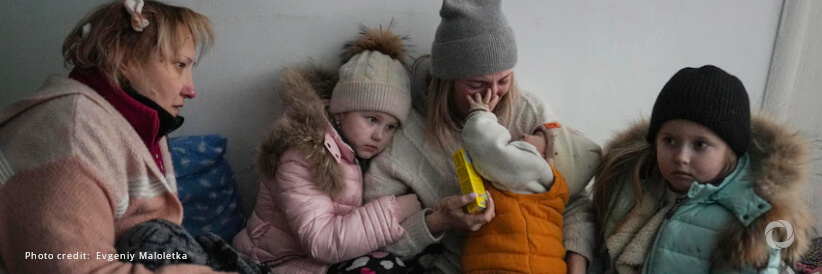
One year on since the escalation of conflict in Ukraine, a new assessment reveals the devastating consequences on children in conflict-affected Kherson, Kharkiv, and Dnipro. The assessment, conducted by international humanitarian NGO World Vision and their Ukrainian partner Arms of Mercy, reveals that 83% of children that they spoke to are extremely concerned about their safety, with more than one in three children listing violence as one of their top three worries.
“Children in Ukraine desperately need peace,” says Chris Palusky, World Vision’s Director for the Ukraine Crisis Response. “For many children in Eastern Ukraine, this conflict hasn’t been going on for one year; it’s been more than nine. Even before the escalation last February, almost 1 in 5 children in Eastern Ukraine were smoking or using synthetic drugs as they coped with the constant stress of violence, displacement, and separated families. The fact that almost 80% of teen boys now think that their peers have turned to smoke and other drugs to cope is extremely alarming.”
Since February 2022, the situation in Ukraine has rapidly deteriorated. Almost 54 civilians have been killed or injured every day and more than 17 million people in Ukraine need urgent humanitarian assistance. Many children have lost their homes or had to move to safer places; almost half (47%) of the surveyed children said their homes are damaged in some way.
“Children are struggling to cope with trauma piled on top of trauma. Based on the experiences of other children and families affected by conflict, we can expect that over 1.5 million children in Ukraine may develop depression, anxiety, post-traumatic stress disorder (PTSD), bipolar disorder, or schizophrenia as a result of their experiences during the war. In addition to increased substance abuse, our staff and partners tell us that children are increasingly fearful and struggle to contain their emotions. 21% of children say their peers are turning to physical violence as a coping mechanism. This includes violence against their peers. They want to take revenge on others as they see relatives hurt by shelling, parents away on the frontlines, and it all feels desperately unjust.”
Their families are suffering the economic consequences of the conflict, and they cannot afford the things they used to. Over half (53%) of children are very concerned by movement restrictions. And education, so important for giving children a sense of normalcy, is all but impossible. Frequent power outages and air alarms are keeping many children out of school as they struggle to connect to online classes from bunkers.
Restoring a sense of normalcy for children is crucial, and all parties to the conflict must respect and uphold commitments to international humanitarian and human rights law. Without peace, children in Ukraine will continue to pay a severe mental, as well as physical, toll.