
Add us as your preferred source on Google to see more of our content in Search.
 Add to Preferred Sources
Using $1.2 million in funding from the government of Japan, UNOPS procured and delivered more than 16,000 items to 13 provinces, including hygiene and sanitation items.
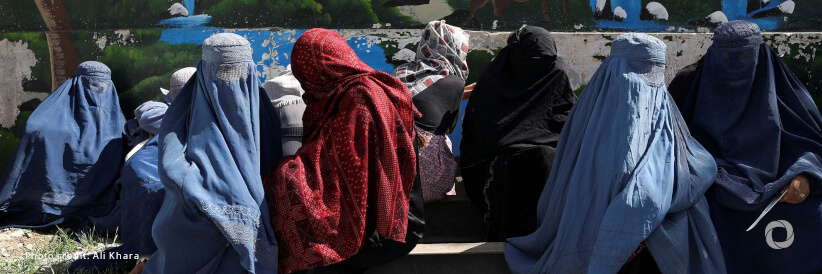
As part of the ‘Humanitarian Response in Afghanistan’ project, UNOPS procured and delivered more than 12,000 hygiene kits and sanitary items for vulnerable women and girls. These items went to people who were living in poverty, widowed, internally displaced, survivors of gender-based violence, and whose husbands were unable to work due to health issues as well as people with disabilities and people with health issues.
“I am glad that I finally have access to these essential hygiene items,” said Fatima, who received a hygiene kit.
This project demonstrates UNOPS and the government of Japan’s commitment to ensuring human security and protecting women and other vulnerable populations in Afghanistan. UNOPS will continue to work together to serve the unique needs of women, girls, and other vulnerable populations.
Nicholas George – Director and Representative of UNOPS in Afghanistan
Under this project, UNOPS also worked with CARE International to distribute winter kits – which included winter clothing, shoes, and blankets – to 2,000 households in the Alasay and Nejrab Districts of Kapisa Province. This was in support of winterization efforts by the Emergency Shelter and Non-Food Items Cluster.
“I am very happy to receive the winter kits. Without these kits, we would suffer from a lack of materials that would be necessary for winter,” said Sayed Mir, who received items for his family of ten.
As part of the project, Japan also funded the UNOPS-implemented Awaaz Afghanistan – an inter-agency call center that connects Afghans with information on assistance and channels complaints and feedback. Funded by multiple partners, Awaaz has improved the mechanisms for obtaining feedback from people in need of humanitarian assistance. This has strengthened humanitarian coordination and information management systems, allowing for a faster and more relevant response to affected populations.