
Add us as your preferred source on Google to see more of our content in Search.
 Add to Preferred Sources
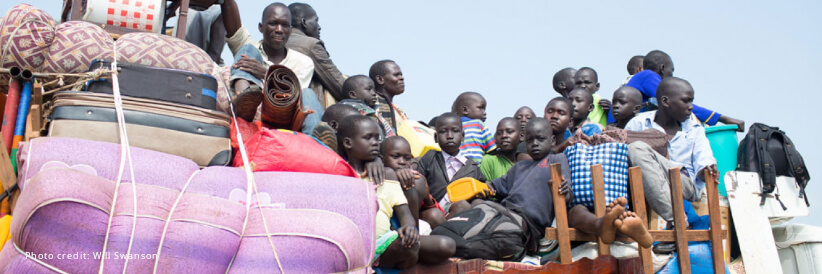
Caroline Sekyewa, IRC South Sudan Country Director, said: “Following the intense conflict in Sudan, more than 50,000 people are estimated to have fled to South Sudan since the fighting began. People are arriving traumatized and with very few provisions. The IRC is providing protection and health services to displaced people in Maban, Jamjang, and NBeG.”
There are fears that the situation is likely to exacerbate the worrying humanitarian conditions where an estimated 9.4 million people are projected to need assistance and protection services as per the South Sudan Humanitarian Response Plan 2023.
The IRC, led by the UN‘s response plan, is scaling up with mobile health teams, and protection programs, and planning to give cash assistance to meet people’s critical needs. The response needs additional financial support and enhanced coordination to ensure a people-centered principled response that will positively impact displaced people who have gone through very traumatizing events.
The IRC started working in South Sudan in 1989. With more than 900 full-time staff members, the IRC in South Sudan provides critical primary and reproductive health and nutrition, environmental health, protection, and economic recovery, and resilience services to increasingly vulnerable internally displaced persons, refugees, returnees, and host communities. The IRC in South Sudan partners with national and state authorities and local partners to strengthen health systems and support especially displaced populations to obtain durable solutions.
The IRC has a main office in Khartoum with four field offices in El-Gadarif, Blue Nile, Al Jazeera, and South Kordofan states. Currently, all operations are suspended except for IRC operations in El-Gadarif. In Sudan, the IRC supports people impacted by conflict and crisis, including women, children, the elderly, persons with disabilities, refugees, mixed populations, and host communities. We provide integrated health, nutrition and water, sanitation, and hygiene (WASH) program and also provide child protection services and comprehensive women and girls’ protection and empowerment services including gender-based violence (GBV) survivors.