
Add us as your preferred source on Google to see more of our content in Search.
 Add to Preferred Sources
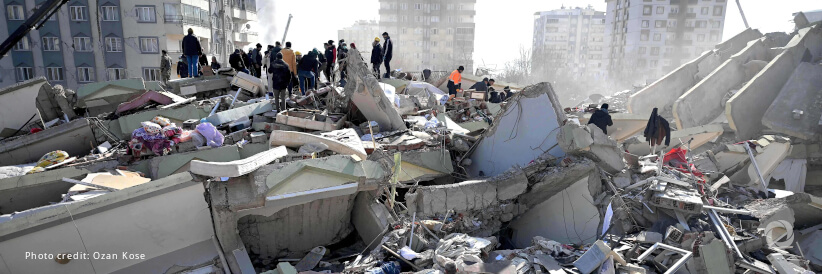
On February 6 two large-scale earthquakes hit near the Türkiye-Syrian border drawing headlines across the globe as the deadliest in modern times, striking in communities where millions had already been displaced by the decade-long crisis in Syria. While the earthquake is no longer in the public eye, thousands of families remain with nowhere to go and unable to resume their lives.
In Türkiye more than three million women, men, and children are without a home. Half of them continue to live in spontaneous settlements, such as tents and abandoned buildings, as they face challenges to access rental arrangements, repairing their homes, and uncertain relocation assistance. Although the government, United Nations, Turkish and international NGOs are providing help, the scale of destruction means it will take years, if not decades, to rebuild communities across the country and give people back their homes, their education, their livelihoods, and their dignity.
“There are several additional risks for people living in spontaneous settlements, including gender-based violence, children working rather than getting an education, and a lack of access to services – including a lack of water in many sites which means diseases can easily spread. The scale of the challenge seems to be increasing. So far, The Danish Refugee Council has established presence in seven of these sights, providing protection,” says Mohannad Othman, Country Director of Türkiye.
Across the border in northern Syria, an estimated 575,000 people have been displaced, living in unsafe buildings, tents, or out in the open with reduced access to clean water and sanitation, and loss of livelihoods. As communities continue to rebuild their lives following the earthquake, families are further stressed by the economic deterioration and collapse of the Syrian currency further burdening the earthquake recovery efforts. DRC has been supporting communities in Aleppo City, including many families living in schools and other public buildings, who don’t know if they’ll ever be able to return home.
“Some of the families we are supporting in Syria were beginning to rebuild their lives after years of displacement and have now lost their livelihood and homes once again, while the economic crisis in the country was already making life harder for many. Humanitarian efforts aim at reducing the vulnerability of those affected families we provide financial assistance for shelter and business rehabilitation and provide psycho-social help to strengthen the resilience of families and children who have already endured years of conflict,” says Sachitra Chitrakar, Country Director of Syria.
Since February, DRC has supported over 91.000 individuals affected by the earthquake from the initial emergency response to recovery efforts with an ongoing focus to rebuild families and communities – the work remains imperative, and the need for international support is the same.