
Add us as your preferred source on Google to see more of our content in Search.
 Add to Preferred Sources
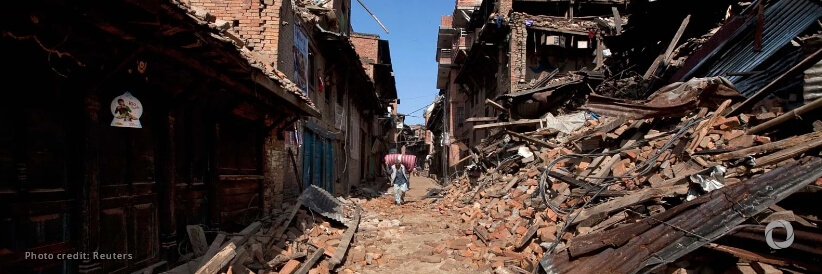
A tremor with a magnitude of 6.4 followed by several aftershocks was felt in the Jajarkot and Rukum Districts of Karnali Province, which is about 300 miles west of Kathmandu. CARE Nepal, in partnership with the Humanitarian Partnership Platform (HPP) secretariat, is actively coordinating efforts with local partners, local NGOs, INGOs, and government authorities to gather detailed data and the urgent needs of those affected by the earthquakes.
Initial reports indicate the earthquakes have resulted in over 150 casualties and several hundred injured. Numerous buildings and houses have collapsed, and roads linking the affected areas are blocked due to dry landslides. CI expects the number of casualties to rise significantly as the organization has yet to receive information from various areas. Jajarkot is one of our working districts.
Winter has set in and with most of the houses being damaged, the survivors will require blankets, warm clothes, tents, protection, and psychosocial needs. As a part of immediate relief, CARE has dispatched the first round of support comprising blankets, shelter kits, dignity kits, and kitchen utensils, which will benefit 250 households.
Furthermore, based on the assessment, CARE is planning to distribute relief supplies to the most vulnerable, with a specific focus on women, girls, and people with disabilities. These supplies will comprise inclusive shelter kits, hygiene kits, and dignity kits, as well as essential items like protection, health and nutritional provisions, and ready-to-eat and ready-to-cook foods, including safe shelters for pregnant and potential GBV survivors. To help people deal with trauma, psychosocial counseling will also be provided.
CARE along with HPP members are currently engaged in close coordination with various stakeholders, including the District Disaster Management Committee (DDMC), NGO Federation, Security Forces, local authorities, Mayors, Information Officers, and the Red Cross. Our collaborative efforts aim to closely monitor and assess the developing situation in the affected regions.
”In the days ahead, the affected population will need sustained, long-term support such as the reconstruction of houses, WASH (Water, Sanitation, and Hygiene) facilities, food, agriculture, livelihood, protection, and sexual reproductive health services. We earnestly urge our partners and donors to extend support for both immediate and enduring response efforts,” CARE Nepal Country Director Mona Sherpa .