
Add us as your preferred source on Google to see more of our content in Search.
 Add to Preferred Sources
Seven years after the historic peace agreement between the Colombian government the areas remain confined by armed non-state actors and criminal groups. In some regions, conflict has escalated since FARC disarmed, as other non-state armed groups seized control over strategic areas, natural resources, and key drug smuggling routes.
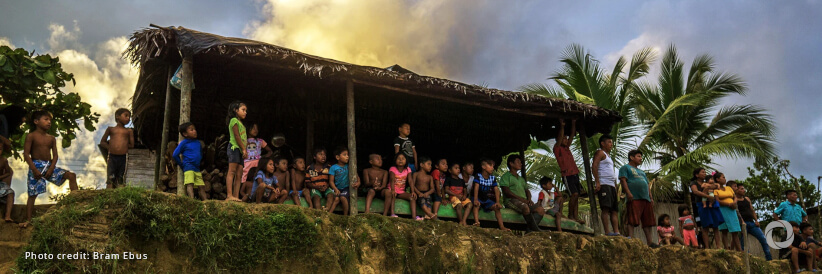
The control over populations translates into dominance over territory and illicit economies. Non-state armed actors employ tactics such as threats, landmines, killings, sexual violence, armed violence, and curfews to restrict mobility in areas where the state’s presence is lacking. Indigenous and Afro-Colombian communities are some of the worst affected.
Felipe, an indigenous man from western Colombia, describes the precarious situation in the area where he lives: “Our community is surrounded by conflict. People are afraid, they don’t go to the bush [to grow crops], they don’t go hunting, they don’t go to the river to fish. We stay in the house every day, without leaving the community. This is not the peace we expected.”
While tens of thousands remain physically confined, an alarming 537,000 individuals find themselves unable to move freely within their area due to the armed conflict, experiencing restricted access to essential services such as food, water, healthcare, and education. This situation is exacerbated by the government’s limited presence and insufficient humanitarian response in conflict-affected areas.