
Add us as your preferred source on Google to see more of our content in Search.
 Add to Preferred Sources
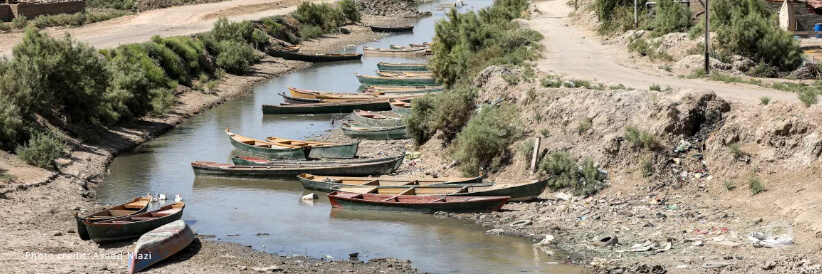
Climate change in Iraq is impeding the economic recovery of communities affected by conflict and precipitating risks of secondary displacement, as 60 per cent of farmers struggle with water shortages and reduced crop yield, according to a new report published by the Norwegian Refugee Council (NRC).
“Iraq’s climate is changing faster than people can adapt,” said Anthony Zielicki, NRC interim Country Director in Iraq. “For the 1.2 million still displaced by conflict, and the millions who have returned home, resettled or relocated, recovery from years of conflict is being crippled by extreme drought, and undermining hard-won gains in livelihoods and income security.”
According to a new survey by NRC, 60 per cent of farmers said they cultivated less land or had to use less water due to extreme drought. Adverse climate conditions have also impeded access and functionality of market systems, exacerbated social tensions, and increased risks of secondary displacement.
“As an organisation committed to supporting people forced to flee, we see an imperative to raise the alarm,” added Zielicki. “Iraq has taken laudable steps to put climate change on the national agenda. The scale and speed of climate change impacts in Iraq requires urgent action on mitigation and adaptation.”
In areas where decades of conflict have caused substantial damage to infrastructure, rising temperatures and water scarcity have contributed to mounting inequality in water access among communities. Links between climate, conflict, and displacement are increasingly prominent in the Ninewa Plains in northern Iraq. In the town of Ba’aj, 24 per cent of respondents are considering leaving their homes because of drought.
“All my neighbours have left,” Abu Rashid, a farmer from Ninewa told NRC. “Only ten years ago, 35 people worked on my farm. This year, I could not even afford to feed my own family. Now, I work as a daily labourer to make ends meet. If this continues, I too will have to move soon. You know what happened here, the world knows what happened here. Today, the bullets have stopped but we are still scared of losing our home.”
NRC calls on the Iraqi government to take steps to monitor, regulate and allocate the country’s water resources more effectively and accelerate the development of Iraq’s ‘Green Paper’, which is projected to roadmap Iraq’s climate ambition and outline technical and budgetary commitments. Ahead of the Climate Conference of Parties (COP) in the United Arab Emirate, NRC urges donors and financial institutions to increase funding for adaptation and climate resilience programming in displacement and conflict contexts.