
Add us as your preferred source on Google to see more of our content in Search.
 Add to Preferred Sources
The humanitarian crisis in Iraq is entering a new phase. Combat operations against the Islamic State of Iraq and the Levant (ISIL) have ended and hundreds of thousands of displaced people are returning to their homes and communities.
Retaken areas are being cleared of explosive hazards and rubble and major efforts are underway to restore electricity, water and sewage grids, re-establish the Government’s social protection floor, jump-start local economies and open schools and health centres. Displaced camps are being consolidated and decommissioned and modalities are being put in place for ensuring that the highly vulnerable families who are currently receiving assistance from humanitarian partners are covered under the Government’s new Poverty Reduction Strategy.
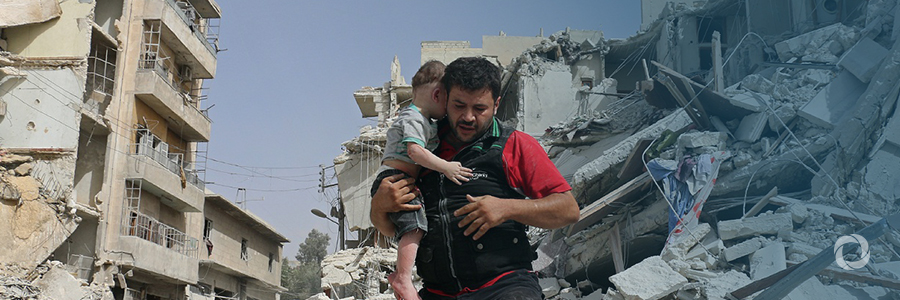
The human toll of four years of intensive, virtually non-stop combat has been enormous. In 2014, 2.5 million civilians were displaced inside Iraq; in 2015, more than one million people fled their homes; in 2016, an additional 700,000 people fled and in 2017, 1.7 million civilians were newly displaced. Population movements have been multi-directional; at the same time that hundreds of thousands of people have been fleeing their homes, hundreds of thousands have been returning.
The pace and scale of displacement have made the Iraq crisis one of the largest and most volatile in the world. Civilians have been at extreme risk throughout, from aerial bombardment, artillery barrage, cross-fire, snipers, and unexploded ordnance. Tens of thousands of civilians have been used as human shields and hundreds of thousands have survived siege-like conditions.
Read full report here.
Original source: Reliefweb
Published on 14 February 2018