
Add us as your preferred source on Google to see more of our content in Search.
 Add to Preferred Sources
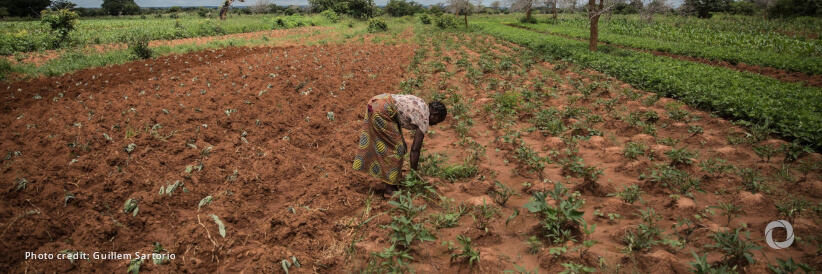
A record-breaking dry spell has plunged Southern Africa into a dire situation, affecting vast areas and driving communities to the brink of a humanitarian emergency. The region is experiencing the lowest rainfall recorded in at least 40 years, with devastating consequences for agriculture, water availability, and livelihoods.
A combination of crop failure, widespread wilting of crops, and over 9,000 drought-related cattle deaths have been recorded between October 2023 and February 2024.
” The prolonged dry spell and erratic rainfall patterns are pushing Southern Africa to the brink of a humanitarian crisis. Coupled with an ongoing cholera outbreak, millions of people are facing severe hardship. Crops are wilting, livestock are dying, and millions of people are facing severe food and water shortages. The situation is particularly dire for women and girls, who often bear the brunt of such emergencies,” stated Matthew Pickard, Southern Africa Regional Director for CARE, expressing grave concern over the situation.
Dry spells disproportionately impact women and girls, who are often responsible for household food security and water collection. Limited access to water means they must travel longer distances, and this increases the risk of gender-based violence.
In Zambia, where a national disaster has been declared, the Government announced that seven provinces have received no rain, resulting in the destruction of 1 million hectares of farmland and affecting over 5 million people. In Malawi, the World Food Program estimates that over 6.8 million people are experiencing food shortages, while in Madagascar, 601,000 individuals face severe food scarcity.
In Mozambique, ongoing conflict coupled with El Niño-induced dry conditions may leave a staggering 7.6 million people facing acute hunger by September 2024. Neighboring Zimbabwe is also grappling with El Nino’s erratic rainfall, with significant moisture stress, wilting crops, and livestock diseases. The consequences are dire, with over 5.3 million Zimbabweans facing acute hunger.
“CARE continues to provide essential assistance to vulnerable populations, as we work alongside other organizations and governments,” said Pickard.
”We are committed to supporting them during this critical time. Through our coordinated efforts, we aim to provide lifesaving assistance and help build resilience against future crises, ”concluded Pickard.
The relentless dry spell not only persists but is also increasing in scale. Without immediate international intervention, the future of Southern Africa is bleak. CARE implores the global community to act. The lives of millions depend on it.