
Add us as your preferred source on Google to see more of our content in Search.
 Add to Preferred Sources
Protracted displacement, extreme poverty, and devastating funding cuts to humanitarian assistance continue to hit Yemen, while regional events and military escalations threaten to derail efforts towards peace in the country, nine years since the start of the conflict in 2015, warned the Norwegian Refugee Council.
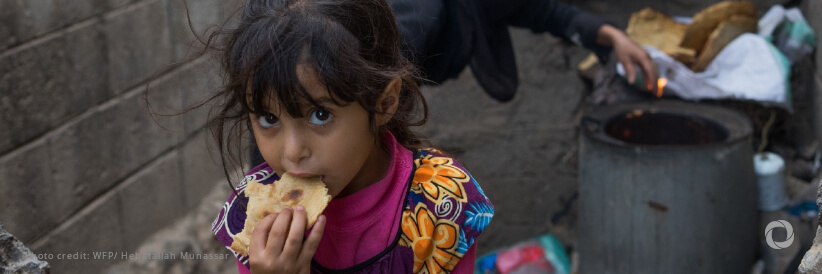
The crisis in Yemen enters its 10th year as plummeting funding means people have less to eat amid a chronic malnourishment crisis. Over 18 million – over half of Yemen’s population – are still in dire need of humanitarian assistance. Five million children and 2.7 million pregnant and breastfeeding mothers are acutely malnourished.
“The people of Yemen have endured untold hardship for far too long,” said Angelita Caredda, the Norwegian Refugee Council’s (NRC) regional director for the Middle East and North Africa. “It is unacceptable that millions of innocent lives continue to hang in the balance due to the escalation of conflict in the region and the reduction of funding at this critical time.”
The truce agreed almost two years ago offered a glimmer of hope for peace and long-term stability in the country. However, escalated tensions and military strikes threaten to derail the peace process. Any hopes for a lasting ceasefire cannot be held without an urgent de-escalation in the Red Sea and a stop of UK and US-led military strikes across Yemeni cities and villages.
The 2023 Humanitarian Response Plan for Yemen was less than 40 per cent funded, the lowest funding rate committed by donors since the onset of the conflict. The pattern has so far continued this year with over 90 per cent of the required humanitarian funding still unmet.
“Instead of inflaming violence and tensions in Yemen, the international community must step up support for humanitarian funding and the peace process so Yemenis can recover from this brutal conflict,” added Caredda.
Funding cuts, particularly for food assistance, have resulted in families not having enough food to eat including in Ramadan. Some families reported selling home furniture they had left during the past three months while others have to borrow constantly to secure food.
Huda, a displaced mother of seven children who spoke to NRC when the food aid cuts took effect said, “I’m the sole breadwinner for my children, and we currently don’t have enough food for the entire family. We are grateful for the neighbors who help us with some food, but if we received food baskets like before, we wouldn’t need anyone [else’s] assistance.”
NRC calls on donors to urgently mobilize additional resources, particularly through scaled-up nutrition, health, and cash assistance.
“We remain committed to supporting the most vulnerable people in Yemen, but the international community and all parties must push for a de-escalation and commit to supporting a neglected population grappling with hunger and displacement,” said Caredda.