
Add us as your preferred source on Google to see more of our content in Search.
 Add to Preferred Sources
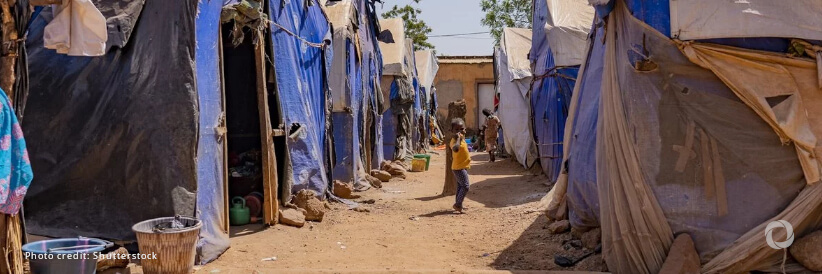
As the lean season intensifies across Mali, the situation for thousands of people who have fled ongoing violence in Burkina Faso to find refuge in central Mali is becoming untenable, warns the Norwegian Refugee Council (NRC).
Since January 2024, over 20,000 Burkinabè refugees have been registered in the Koro cercle alone, with many more still awaiting registration according to a joint assessment conducted by NRC and other partners.
The influx of refugees continues unabated, placing immense pressure on the already limited resources of local communities that are already hosting large numbers of internally displaced people.
“Burkinabè refugees are facing a double burden of displacement and food insecurity during this critical period. The lean season is the most difficult time of the year for families to survive, and the situation is alarming for thousands of refugees in central Mali. The international community must act now to prevent further suffering,” said Maclean Natugasha, NRC’s country director in Mali.
In Koro, local leaders have demonstrated remarkable generosity by offering refugees arable land, yet many refugees have been unable to cultivate it due to a lack of resources. This has left them dependent on humanitarian assistance, which remains insufficient given the scale of the crisis. Many displaced families also remain homeless or are living in overcrowded conditions with host families who themselves are vulnerable.
Lack of funding, combined with challenges linked to registering and assisting refugees in remote and hard-to-reach locations, continues to hinder the humanitarian response.
“We fled our homes in Nodin village in northern Burkina Faso with nothing, and now we struggle to find even the most necessities here in Mali. We hope that those who can help do not forget us,” Hamidou, a refugee from Burkina Faso living in Koro, told NRC.
“These refugees have endured unimaginable hardship, and their resilience is inspiring. But resilience alone cannot sustain them through the lean season. The international community must step up its efforts to provide food, shelter, and essential services to both the refugees and the host communities that have shown such generosity,” said Natugasha.