
Add us as your preferred source on Google to see more of our content in Search.
 Add to Preferred Sources
Southern Africa is grappling with the worst drought in decades which is not only affecting the economic situation but also deepening existing inequalities, and widening gender disparities with far-reaching social and health consequences, a new report by Action Aid has revealed. The region received half or less than half of the normal levels of rainfall between late January and mid-March, a critical period for crop growth. This has left over 56 million people facing food insecurity.
As millions of families fall deeper into poverty, young women and girls are being disproportionately affected as the burden they bear in providing unpaid care and undertaking domestic work because increasingly onerous. The drought-induced famine is interfering with their education, affecting their health and exposing them to heightened risks of violence.
“The situation here is dire for women and girls, we are hopeless. We have left everything to God so that He can step in and help,” 19-year-old Emily from Zambia commented.
“This drought has affected me a lot. Farming is my livelihood, that is where I get money, but all the crops wilted. Tobacco and maize are my source of income. I am a single mother; the kids need to go to school and eat. We are suffering,” Nyaradzo, 24, from Zimbabwe explained.
Increased burden of unpaid domestic work
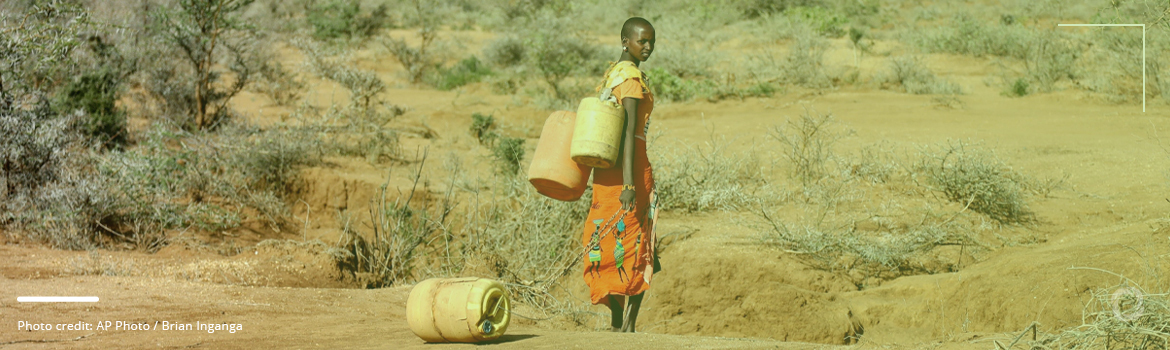
As water and food become scarce, it becomes the responsibility of young women and girls to search far and wide for both. In almost all cases, this chore is placed on their shoulders due to deeply rooted gender norms that dictate household roles among families.
Girls are spending most of their time fetching water from distant sources, preparing food with minimal resources, and caring for the younger siblings and old members of the family. By having to spend most of their time doing so, their opportunities to better their education and personal development are limited, the report noted.
Gender-based violence rates rising
The strain of dwindling resources has led to women increasingly being at the receiving end of violence perpetrated by their male counterparts as tensions within homes and society increase.
Reports from various sources indicate that sexual violence has also increased with most of the victims being young women who are in danger from predators when travelling long distances in search of food and water.
As a survival strategy, girls and women are engaging in sexual favors in return for food and, although not sustainable, this offers temporary relief while they hope for a better future.
Community structures and support that had previously at least to some extent offered protection have been destroyed, making the situation even more dire for girls and women.
Education disruption and raise of child marriages
As drought sweeps the land, schools are either closing or attendance is dwindling as families prioritise survival over education. In Zimbabwe alone, about 2 million children face disruption to their education with some permanently dropping out of school, according to UNICEF.
Child exploitation as a result of early and forced marriage has also become increasingly frequent. The report indicates that families are marrying off their out-of-school daughters either to reduce food provision as there will therefore be one less mouth to feed or to regain cattle lost to drought.
“Here, girls are being married off so that their families can obtain food supplies. These girls are frequently expected to rely on their husbands for food and other necessities, which puts them at risk of being the victim of gender-based abuse,” 19-year-old Mary from Zambia explained.
Health and nutrition crises
Pregnant and breastfeeding women are being hit badly by food shortages as they face a greater risk of health complications.
Lack of access to clean water is also making it difficult for young women to maintain proper hygiene, particularly during menstruation. Furthermore, their mental health has been affected from the crises leading to psychological issues including anxiety, stress, depression, and trauma.
“My health is at risk because of not having a balanced diet, which helps build our immunity. At times we go to bed with our stomachs growling because of a lack of food. Many of the boreholes are drying out, which makes us walk long distances before getting water. Water is life. My life has been affected because all my plans I had for this year have been disrupted. I have spent all my savings on food. We’re selling our livestock to buy food,” commented 29-year-old Joan from Zambia.