
Add us as your preferred source on Google to see more of our content in Search.
 Add to Preferred Sources
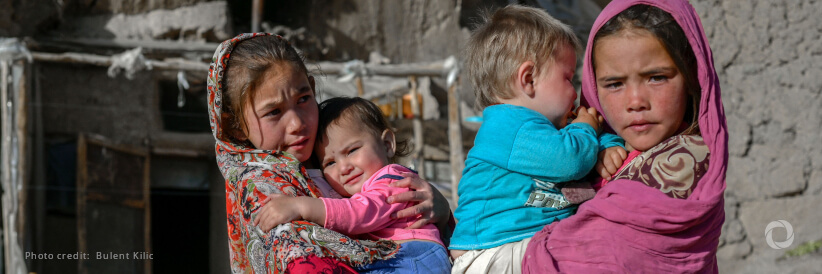
Mobile health teams and fixed clinics run by the Afghan Red Crescent Society are recording alarming cases of acute malnutrition in children, especially in areas where communities are concurrently facing household economic instability, in addition to bearing the brunt of climate-related disasters and the effects of a decades-long conflict.
Data from ARCS health facilities and anecdotal accounts shared by Red Crescent frontline staff and volunteers underline the calls made by other humanitarian agencies, including UNICEF and Save the Children, that funding support is critical to saving the lives of thousands of children. Estimates provided at the beginning of the year indicated that some 2.9 million children aged under five could suffer from acute malnutrition in 2024.
Dr. Mohammad Nabi Burhan, Secretary General of the ARCS, says: “The scale of malnutrition in our country is staggering, based on the numbers our mobile health teams and fixed clinics are registering. Severe acute malnutrition can be fatal if left untreated so we must take urgent action to save as many lives as we can.”
The International Federation of Red Cross and Red Crescent Societies (IFRC) is releasing 500,000 Swiss francs from its Disaster Response Emergency Fund (DREF) to contribute to urgent life-saving interventions by ARCS.
As part of their routine services, ARCS mobile health teams and fixed clinics undertake malnutrition screening, distribute ready-to-use therapeutic foods (RUTF), provide education to communities on how to prevent malnutrition, and refer severe cases for treatment by specialized agencies or in better-equipped hospitals.
“Our frontline workers are telling us that dozens of children are not getting timely treatment because our Movement partners have not received sufficient funding to scale up services. This cruel reality leaves three unfortunate options for children who are at the most risk: stunted growth, wastage, or death. We must do our best, collectively, to ensure better options for our children,” adds Dr. Mohammad Nabi Burhan.
Necephor Mghendi, Head of IFRC Afghanistan Delegation, who visited some of the ARCS mobile health teams and fixed clinics in Kandahar two weeks ago, says: “Within the span of an hour I spent with Red Crescent front liners operating a mobile health team in the Panjwayi district of Kandahar, two out of five children screened had severe acute malnutrition. Parents of these children said they lacked adequate income to obtain food, had already sold assets to survive, and that humanitarian assistance was their last resort. Malnutrition in early childhood could lead to long-term physical or cognitive disability. The DREF allocation will contribute to preventing these lasting impacts on children we are able to assist, together with the ARCS,” Necephor Mghendi adds.
Beyond the DREF operation, the IFRC and ARCS are rolling out programs aimed at enhancing the capacity of communities and preparing them to withstand future difficulties, such as climate shocks like drought and harsh winters.
Dr. Mohammad Nabi Burhan, Secretary General of the ARCS, says: “Even as we support affected children to receive urgent treatment, we must provide durable solutions in a manner that also tackles root-causes and vulnerabilities. These communities have faced head-on crises one after another, yet with sustained multisector support we can support them to become self-reliant and more resilient.”
Longer-term ARCS programs integrate primary and community health services, water, sanitation, and hygiene (WASH) interventions, livelihood assistance, disaster preparedness, disaster risk reduction measures, support for widows, and climate change adaptation, among others.