

Add us as your preferred source on Google to see more of our content in Search.
 Add to Preferred Sources
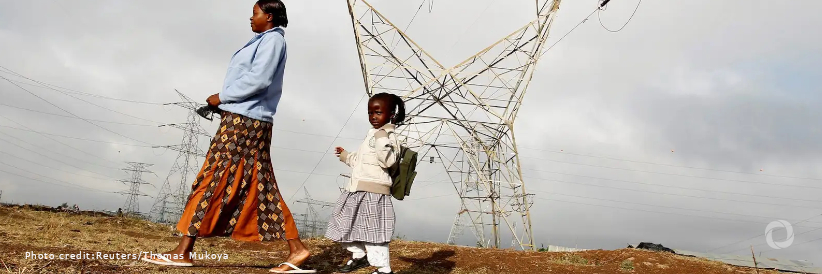
In numerous rural regions across Africa, the introduction of electricity has marked a turning point, yet many residents continue to rely on it primarily for lighting their homes during the dark evening hours. This limited use of electricity overlooks its vast potential to drive economic growth and transformation.
Imagine small villages where, instead of just illuminating homes, electricity powers local bakeries, providing fresh bread each morning, or energizes water pumps for irrigation, allowing farmers to cultivate larger, more productive fields. If harnessed effectively, the productive use of electricity could be customized to suit the unique needs of these communities, paving the way for thriving businesses, enhancing agricultural practices, and supporting local craftsmanship.
Such adaptations lead to job creation, boost productivity, and significantly improve the overall quality of life for residents. The true power of electricity lies not just in its presence, but in how it is leveraged to foster sustainable development and prosperity in rural African areas.
Challenges
While the productive use of electricity presents numerous advantages for enhancing the socio-economic landscape of rural African communities, significant barriers remain that prevent widespread access to electrical appliances necessary for these purposes. These communities, often characterized by their reliance on traditional methods of farming and small-scale enterprises, could experience remarkable transformation through the integration of electric tools and technologies.
However, the path to harnessing this potential is fraught with challenges. Many rural residents find it difficult to afford the initial investment for electrical appliances, which can be prohibitively expensive given their limited financial resources. Additionally, the lack of access to reliable credit facilities complicates matters further, preventing individuals and small businesses from obtaining the necessary funding to purchase these appliances.
Infrastructural issues also play a critical role; many regions lack the essential electrical grids and reliable power supply required to support the operation of these devices. Furthermore, there is often a significant knowledge gap regarding the types of appliances that could benefit local economies, leaving community members unaware of their options.
As a consequence of these intertwined challenges, vast areas of rural Africa remain in a state of socio-economic darkness, unable to leverage the advantages that electricity could offer. Bridging this gap is essential to initiate lasting change, breaking the cycle of poverty, and paving the way for sustainable development in these underserved regions.