

Add us as your preferred source on Google to see more of our content in Search.
 Add to Preferred Sources
A recent malaria outbreak has tragically claimed the lives of at least 41 individuals in South Sudan, with 36 of the deceased being children under the age of five. The outbreak has raised alarm among health officials and humanitarian organizations, highlighting the urgent need for enhanced health interventions and preventive measures in a country grappling with ongoing health challenges.
Reports indicate that the outbreak began in late September in the Warrap State, with the number of cases surging rapidly since then. Local health officials have confirmed that the region has been plagued by malaria for years; however, the current outbreak poses unprecedented challenges due to the combination of seasonal weather conditions and a lack of effective healthcare infrastructure. According to the Severe Malaria Observatory, malaria remains one of the main causes of mortality in South Sudan, where the disease is endemic.
Human cost of malaria
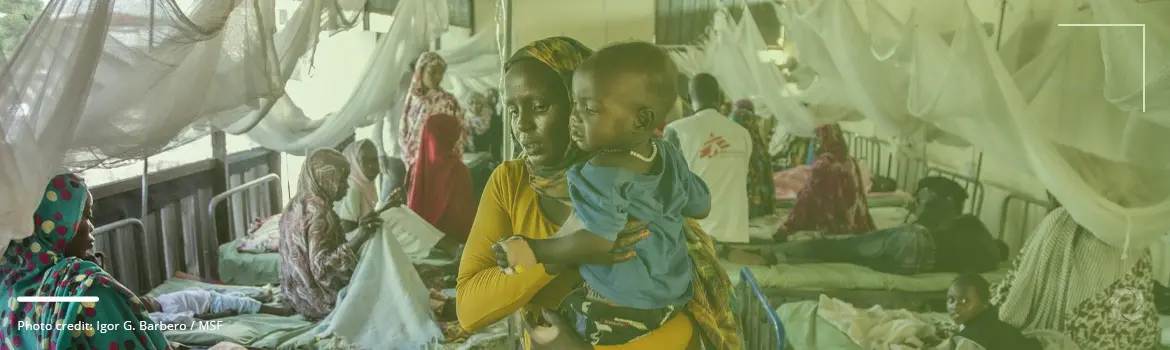
The magnitude of this health crisis is staggering, with around 200 individuals currently receiving treatment for malaria at a local healthcare unit in Likwangole County.
According to the Information Minister for the Greater Pibor Administrative Area, Oleyo Akuer, most of the fatalities have occurred in remote areas, far from towns and medical facilities.
“The majority of them died outside of the remote town of Likwangole. There are five of them in town, though,” he detailed, painting a picture of the accessibility challenges that hinder timely medical attention.
The disease disproportionately affects children, who are particularly susceptible to severe cases of malaria due to their developing immune systems.
This tragic statistic has stirred a sense of urgency among healthcare providers and the government, as they scramble to address the crisis.
History of malaria in South Sudan
The impact of malaria on the nation cannot be overstated. According to UNICEF, in 2022 alone, South Sudan reported an estimated 2.8 million cases and a staggering 6,680 deaths attributed to the disease.
As the nation grapples with its healthcare challenges, reports for 2023 are still pending, leaving many to wonder if the situation will continue to worsen.
In response to the growing crisis, the South Sudan Ministry of Health initiated a malaria vaccination drive in July 2023, aiming to reach approximately 265,000 children across 28 counties in six states.
This ambitious campaign represents a crucial step in the fight against malaria, but implementation challenges persist.
Healthcare struggles and supply shortages
Compounding the situation is the critical shortage of medicines at local health facilities, a consequence of prolonged supply chain issues.
“The healthcare unit in Likwangole is facing a critical shortage of medicines due to a prolonged supply problem,” Minister Akuer lamented.
The lack of essential medicines and preventative measures, such as insecticide-treated mosquito nets, poses a significant obstacle to combating this deadly disease. Local healthcare workers have expressed their concerns about the overwhelming number of patients in need of urgent care.
“We are doing our best to treat as many patients as we can, but the lack of resources is a barrier we cannot ignore,” said Mathieu Kinde, a health project coordinator in Aweil.
Call for support
As the situation in the Greater Pibor Administrative Area continues to worsen, the need for urgent humanitarian assistance has never been more critical.
International organizations and donor countries are urged to respond to this crisis with immediate financial and logistical support to strengthen the healthcare system and provide necessary resources.
“In the face of this heartbreaking toll of malaria, South Sudan stands at a crossroads and dedicated efforts from health authorities, communities, and international partners are needed to turn around the tide against this preventable disease in order to save lives, particularly the lives of children who represent the future of this nation,” said Dr Tarekegn Abeku, Principal Advisor at Malaria Consortium in South Sudan.