
Add us as your preferred source on Google to see more of our content in Search.
 Add to Preferred Sources
Millions of people across Asia and the Pacific are still “invisible”—born, living, and dying without any official record of their existence, United Nations (UN) officials said at a major conference this week, according to UN News. Government leaders from the region promised to fix this problem by 2030 at the Third Ministerial Conference on Civil Registration and Vital Statistics in Bangkok. They adopted a new plan to strengthen birth and death registration systems that would give legal identity to everyone.
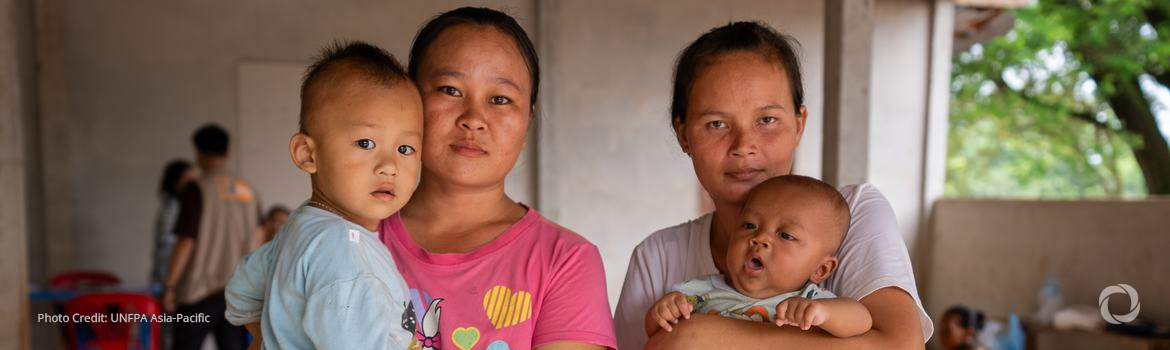
The problem affects millions of families who can’t prove their children were born or their relatives died. Without birth certificates, kids can’t get healthcare or go to school. Without death certificates, families can’t claim inheritance or pensions. Women, children, and people in rural areas get hurt the most by these gaps.
The region has made big improvements since 2012—the number of unregistered children under five dropped by more than 60%, from 135 million to 51 million. Twenty-nine countries now register over 90% of births within a year, and 30 do the same for deaths. But about 14 million children still reach their first birthday without being registered, and 6.9 million deaths go unrecorded every year. “These numbers are more than statistics, they represent lives without legal recognition and families left without support,” said Armida Salsiah Alisjahbana, head of the UN Economic and Social Commission for Asia and the Pacific.
The new agreement calls for digital registration systems that work during emergencies and protect people’s personal data. Countries also promised to train more staff, reach out to communities, and do better at recording what kills people.
“Legal identity is a right, not a privilege,” Alisjahbana said. “No one should be left behind simply because they were never counted in the first place.”