
Add us as your preferred source on Google to see more of our content in Search.
 Add to Preferred Sources
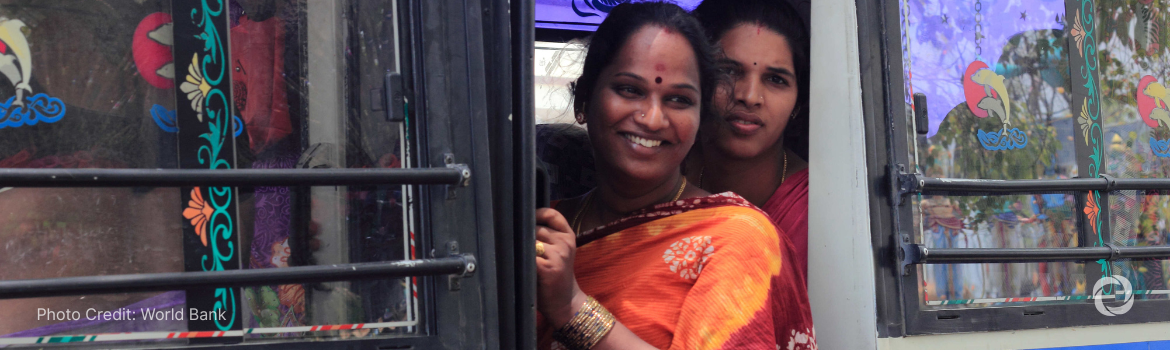
Public transport often works better for men than for women. A new publication from the World Bank explains how common gaps—like poor access, long routes, or unsafe travel—limit what women and girls can do each day. These gaps affect every part of life, from getting to school or work, to reaching health clinics or child care.
The report shows that women are more likely to walk or take public transport, while men drive more often. But stops are rarely linked to services women depend on. Unsafe stations, harassment, and long waiting times make travel harder. When mobility is limited, women have fewer job options and girls may stop going to school.
Women are also missing from the teams planning and running transport systems. Globally, they make up just 12% of the sector’s workforce and are often in lower-paid jobs. Safety concerns and a lack of support keep many out. Some countries are changing course. In Senegal, women are training as bus drivers. In India, upgrades to ferry systems doubled female ridership in just a few years.
Governments are responding with simple changes. Some are redesigning stations to improve safety. Others are offering travel vouchers or removing job restrictions. These steps help women move more freely—and they tend to make transport better for everyone.
Improving mobility isn’t just about roads and buses. It’s about freedom, access, and a fair shot at daily life.