
Add us as your preferred source on Google to see more of our content in Search.
 Add to Preferred Sources
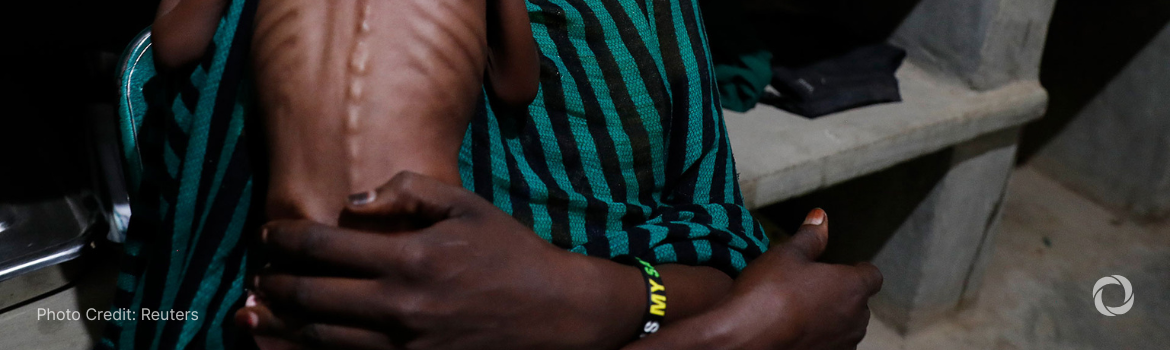
The United Nations International Children’s Emergency Fund’s (UNICEF) executive director witnessed children “reduced to skin and bones” during a mission to Sudan’s worst-hit areas, calling the world’s largest humanitarian crisis a “looming catastrophe” that threatens an entire generation, as stated by organisation. Catherine Russell traveled through Port Sudan, Al Jazeera, and Khartoum states last week, seeing destroyed homes, looted warehouses, and families crammed into damaged buildings.
The situation in Khartoum State is devastating. Jebel Aulia and Khartoum localities carry 37% of the state’s malnutrition burden while being hit hardest by violence and access problems. Russell found children with barely any access to clean water, food, healthcare, or school.
“Many of the children are reduced to just skin and bones,” she said after visiting nutrition centers packed with severely malnourished kids.
Families live in small, damaged buildings while narrow, muddy roads become more impassable each day as rains continue. The few working health centers are crammed with people seeking help. Despite months of effort, UNICEF finally got access to these communities and is supporting health services, water systems, and safe spaces for children. But the scale of need is staggering and stretching aid groups to their limits.
“We are on the verge of irreversible damage to an entire generation of children not because we lack the knowledge or tools to save them, but because we are collectively failing to act with the urgency this crisis demands,” Russell warned.
Recent funding cuts have forced many partners to scale back operations just when access is improving to areas with record-high malnutrition rates.
Russell met displaced mothers who walked long distances to find safety and one who said her daughter “has fallen into a state of silence” since the war started. Critical areas like Al Fasher, Dilling, and Kadugli remain cut off from aid, putting more children’s lives at risk each day they can’t be reached.